


A new study has found that major meat and livestock companies have failed to follow through on many of the pollution cuts they publicly promised.
According to Inside Climate News, the study indicated that industry giants rolled out emissions targets while continuing practices that keep planet-warming pollution high, prompting renewed scrutiny over whether some of the sector's biggest sustainability pledges are more about branding than meaningful change.
"We're at this moment where we're really trying to understand what is a real commitment to saving our planet and what is public relations," co-author Jennifer Jacquet told Inside Climate. "And a lot of this is public relations."
The research — published in PLOS by scientists at the University of Miami and New York University — focused on meat producers that have publicly committed to lowering emissions but have struggled to show measurable progress.
"None of these companies provide a clear pathway on how they're going to achieve those pledges," Jacquet said. "That shows you that they're not putting their money where their mouth is."
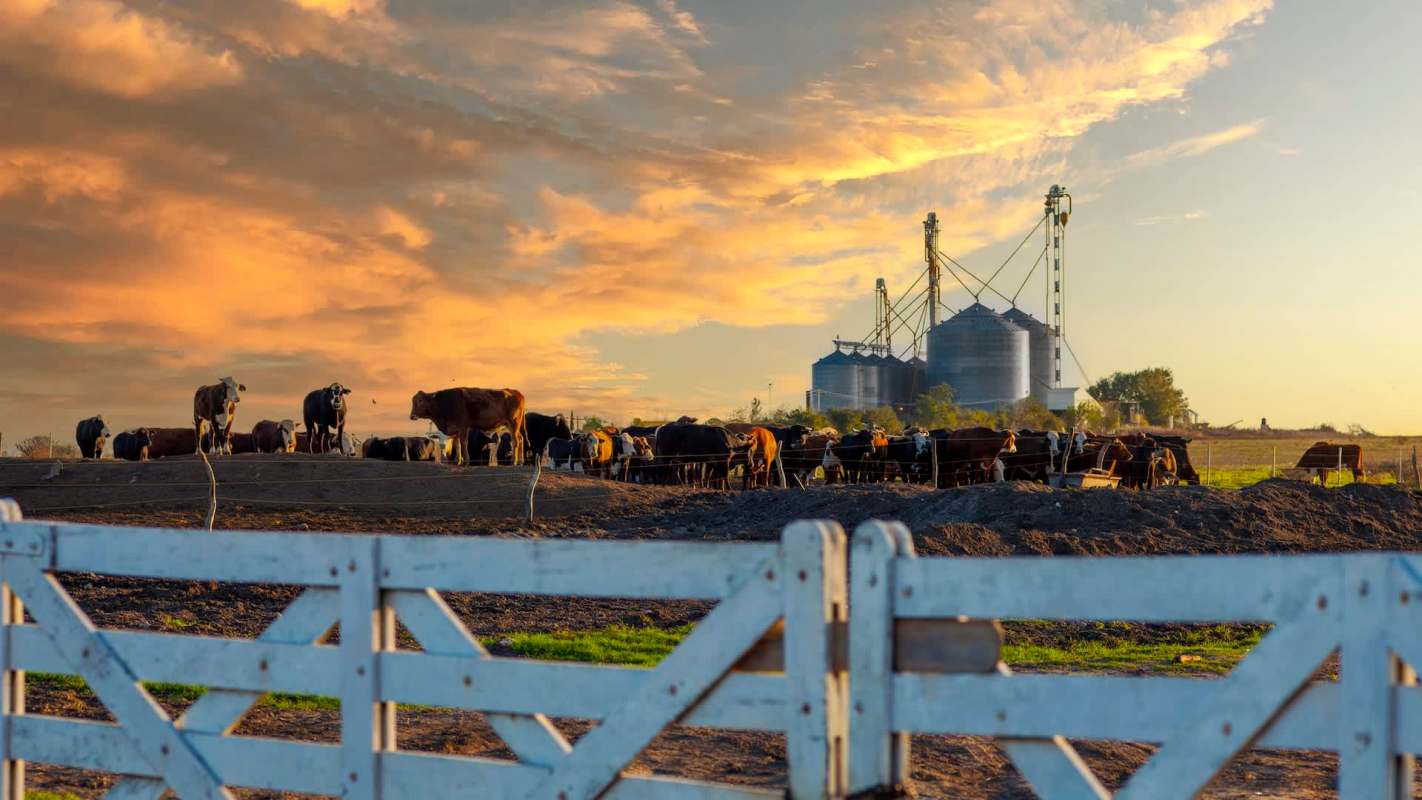
The study also flagged offset claims that lacked outside verification, as well as the continued expansion of feedlot operations even as companies market themselves as environmentally responsible.
TCD Picks » Quince Spotlight
💡These best-sellers from Quince deliver affordable, sustainable luxury for all




This is all significant because animal agriculture is a significant source of planet-heating pollution. Methane emissions from cattle are a major contributor.
Methane is far more potent than carbon dioxide in terms of trapping heat in the atmosphere. Its release can worsen extreme heat, droughts, floods, and crop stress — all of which can raise food prices, damage homes, and strain water supplies.
Large feedlot systems can also burden nearby communities with foul air, waste runoff, and other quality-of-life concerns.
More broadly, the study raises concerns about corporate accountability.
"When companies falsely advertise their commitment to sustainability, they are misleading consumers and endangering our planet," New York Attorney General Letitia James said in a press release. "[...] Greenwashing exploits the pocketbooks of everyday Americans and the promise of a healthy planet for future generations."
For consumers, one of the most effective ways to help is by cutting back on the most methane-intensive foods, especially beef, when possible. But this doesn't mean having to eliminate meat entirely. Adding more plant-based meals, trying alternative proteins, and more often choosing lower-impact options can help reduce pressure on the system over time.
Meanwhile, when companies make broad claims about being "net-zero" or "sustainable," it is worth asking a simple question: Can they prove it?

Get TCD's free newsletters for easy tips, smart advice, and a chance to earn $5,000 toward home upgrades. To see more stories like this one, change your Google preferences here.







