


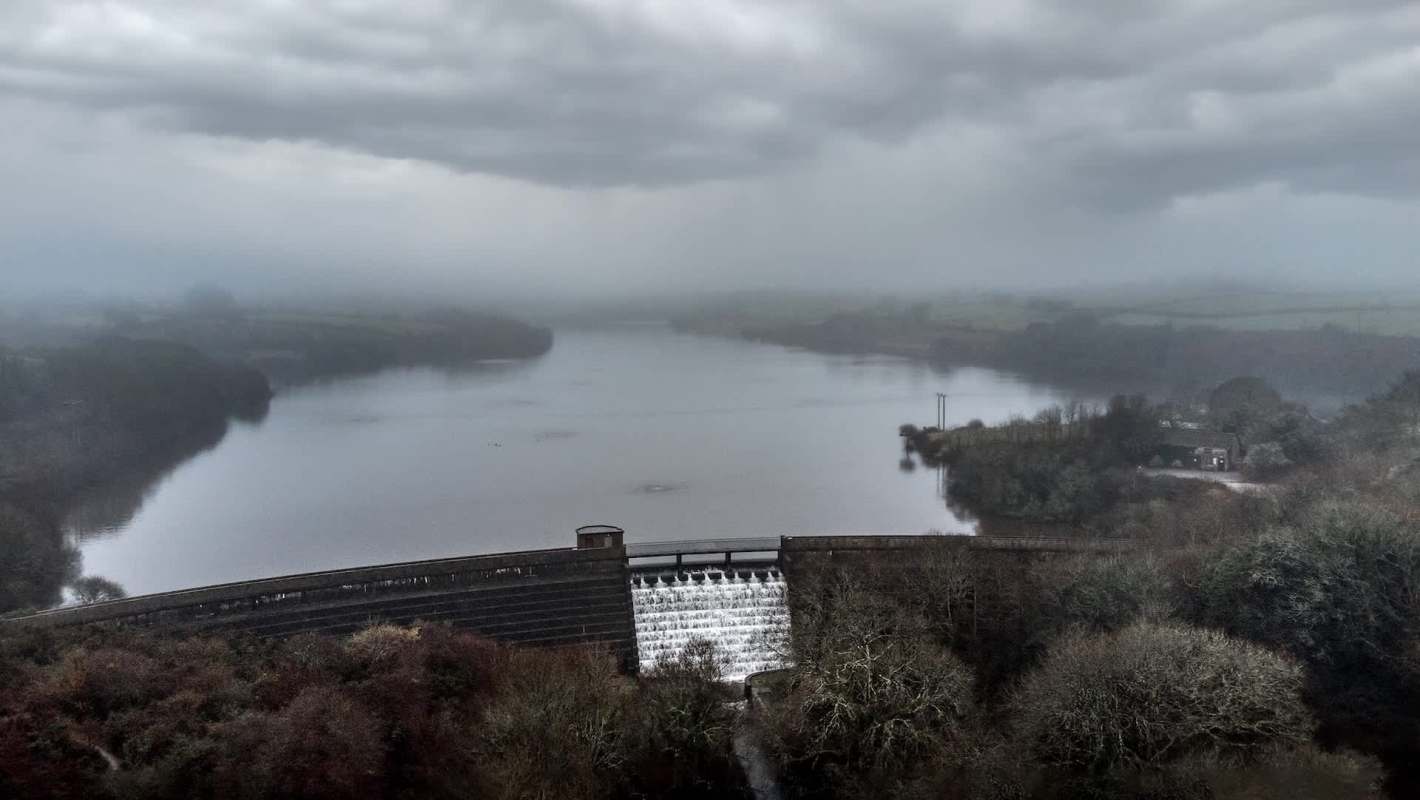
America's aging dams are facing an unprecedented stress test as increasingly heavy rainfall and severe flooding push outdated infrastructure closer to catastrophic failure.
In northern Michigan last month, rivers surged to record levels after snowmelt and weeks of heavy rain, bringing some dams to the brink of failure. These stronger storms have revealed how unprepared many communities are for the future, Grist reported.
The close calls are part of a much larger problem. The United States has roughly 92,000 dams, with the average structure now 64 years old, according to the American Society of Civil Engineers.
Many were designed for weather patterns that no longer reflect today's reality, as rising global temperatures allow the atmosphere to hold more moisture and fuel heavier downpours.
About 18% of U.S. dams carry a "high hazard" rating, meaning a failure could put lives at risk, Grist reported.
"This needs to be considered not the worst we can experience," said Richard Rood, a professor emeritus at the University of Michigan who studies climate change, per Grist. "This needs to be considered as typical of the future."
TCD Picks » Quince Spotlight
💡These best-sellers from Quince deliver affordable, sustainable luxury for all




When extreme weather hits aging dams, the risks extend far beyond damaged concrete or overflowing rivers. A failing dam can rapidly worsen flooding, submerge neighborhoods, contaminate water supplies, destroy roads and bridges, and cut off access to emergency services.
These disasters can quickly escalate into public health crises, causing injuries, widespread displacement, and hazardous sewage overflows.
Officials, engineers, and conservation groups increasingly agree on two main solutions: upgrade dams that are still necessary or remove those that no longer serve a purpose.
According to American Rivers, dam removals have outpaced new dam construction in the United States since 2000, and that trend is accelerating.
"I think every opportunity we have to remove an aging dam, we should take advantage of it because it's not going to get better," said Bob Stuber, executive director of the Michigan Hydro Relicensing Commission, per Grist. "It's just going to get worse."
Removal can reduce long-term flood risk, eliminate costly maintenance, and reconnect river ecosystems.
Still, those decisions are rarely straightforward.
"There's this emotional attachment to that impoundment," said climate resilience strategist Daniel Brown, per Grist.
In other cases, dams remain tied to hydropower, drinking water, or local industry, making removal impractical.
"[Dams] are either going to have to be removed or reengineered," said Rood. "Or they're going to become a set of slowly unfolding failures."

Get TCD's free newsletters for easy tips, smart advice, and a chance to earn $5,000 toward home upgrades. To see more stories like this one, change your Google preferences here.







