


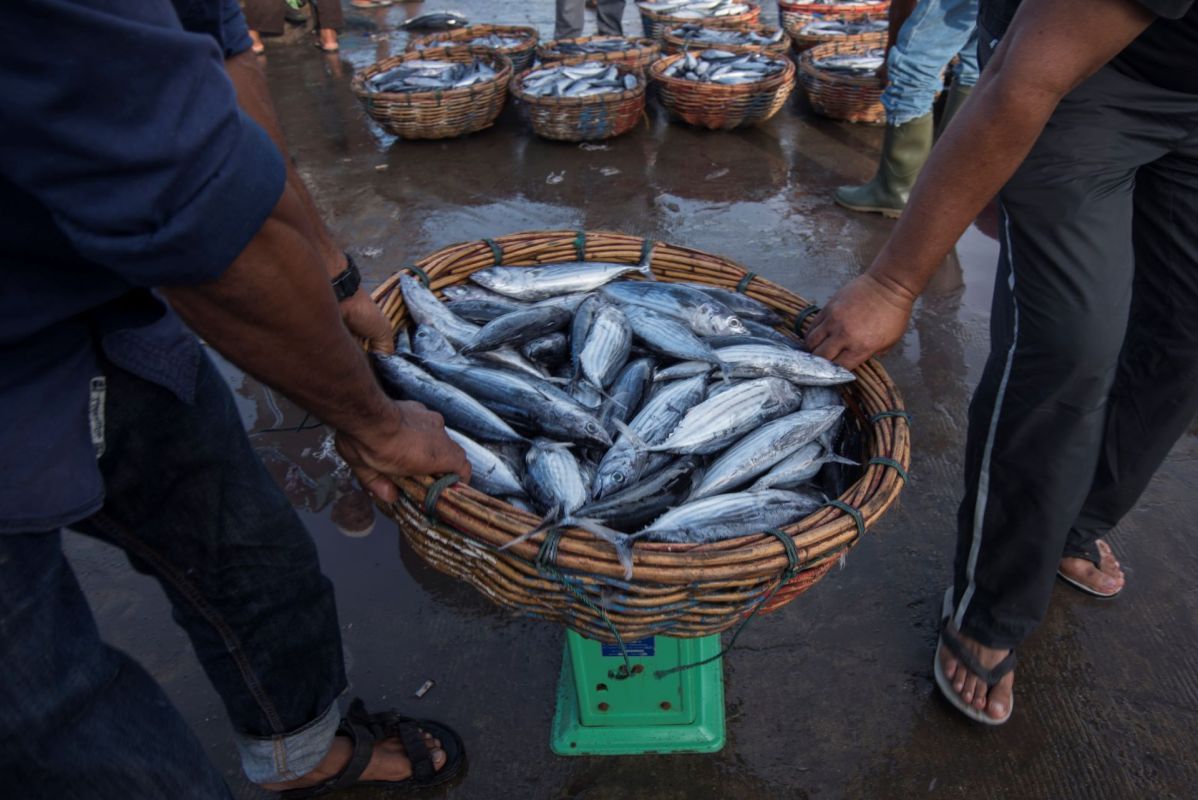
Indonesia is gearing up to make its seafood supply even safer through a major new investment in public health and environmental monitoring, according to Antara.
To protect local communities and a rapidly expanding export market, the Ministry of Marine Affairs and Fisheries is developing a network of radioactive testing laboratories across the country. It's a proactive move aimed at preventing contamination from substances like Cesium-137, a radioactive byproduct of nuclear reactions that can contaminate soil and water.
The initiative aims to strengthen Indonesia's quality control system while global demand for its fishery products is rising. Actions will include building regional labs, training experts to international standards, and increasing testing capacity. Overall, the country is working to ensure that fish sold domestically and abroad remain safe, trustworthy, and high-quality.
The first facility — located in Cilangkap, East Jakarta — is expected to be operational by the end of 2025. The ministry has already completed the building and is now awaiting the arrival of specialized radioactive testing equipment.
Additional labs in Surabaya and Makassar will broaden access to testing across western and central Indonesia. A future facility in Medan will enhance supervision in one of the nation's busiest export hubs. By distributing these resources more evenly, the ministry hopes to reduce bottlenecks, speed up testing, and build the seafood supply chain's resilience.
These kinds of preventative measures complement broader efforts to keep fish populations healthy and sustainable. Some regions are also encouraging communities to help manage ecosystems by harvesting invasive species that threaten waterways.
TCD Picks » Quince Spotlight
💡These best-sellers from Quince deliver affordable, sustainable luxury for all




More broadly, the initiative points to the evolving role of nuclear technologies in modern life.
Nuclear energy offers substantial low-carbon electricity that can complement renewable power sources. But it brings challenges, including radioactive waste and safety concerns, as well. Investments in strong monitoring systems, like these new labs, help countries manage those risks and benefit from scientific tools that support energy security and environmental protection.
The ministry said these expanded testing facilities will strengthen Indonesia's seafood supply chain and help maintain global trust in its fishery products.
|
Do you worry about having toxic forever chemicals in your home?
Click your choice to see results and speak your mind. |
 Majorly 😥
Get TCD's free newsletters for easy tips to save more, waste less, and make smarter choices — and earn up to $5,000 toward clean upgrades in TCD's exclusive Rewards Club.






