


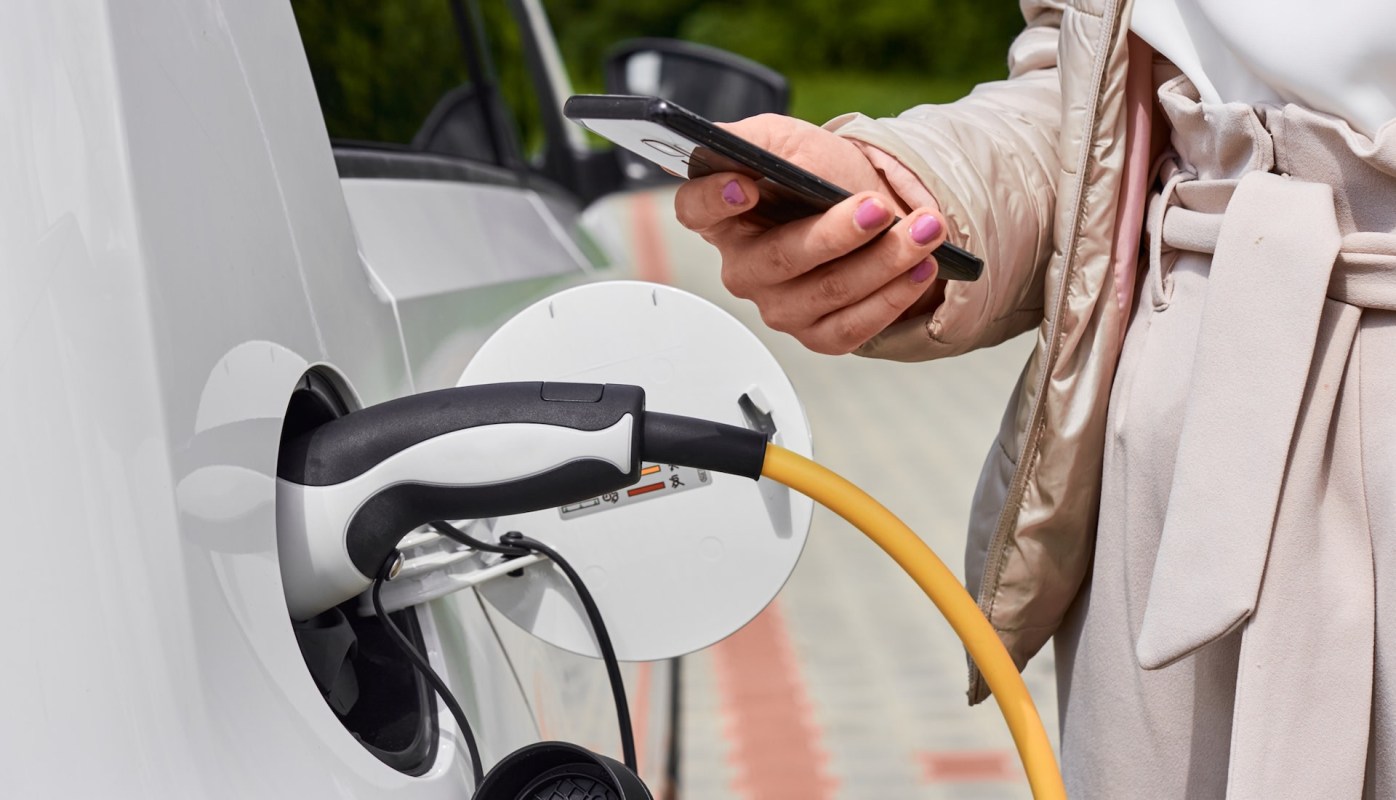
With federal tax incentives for electric vehicles on the brink of their end date, a popular marketplace detailed myths about the clean automobiles. It noted that the United States is well behind other countries in adopting EVs.
In Norway, 90% of new vehicle sales are electric. That figure is 63% in Sweden and around 30% in the United Kingdom and China, EnergySage reported. The U.S. is at 9%.
"There's a stigma against EVs here that doesn't exist in other places, and a lot of it may stem from fossil fuel propaganda," the site stated. It added: "It's time to debunk these myths once and for all."
Big Oil, of course, has much to lose if EVs win. EnergySage noted lobbyists spent $7 million in 2021 just to work against a proposal to limit vehicle pollution from new cars, which was not set to begin until 2027.
EnergySage interviewed a trio of automobile industry experts, including Jonny Lieberman, who hosts Driving with Jonny (@drivingwithjonny). He cited people who have no interest in EVs and fear problems, such as fires, in saying, "Every time one of those is brought up, it just strikes me as propaganda by Chevron, Shell, or the petroleum industry."
Nikki Gordon-Bloomfield, who created Transport Evolved (@transportevolved), called it a "perfect storm of political misinformation and fossil fuel lobbying — lobbyists in America are very, very powerful."
To counter four myths, the independent clean energy platform laid out how EVs are not much more expensive than gas-powered cars. It noted that states, municipalities, utilities, and manufacturers also offer incentives similar to the federal tax credits — $7,500 for a new EV and $4,000 for a used one — that will expire Sept. 30. Home charging and the absence of regular maintenance needs help EV drivers break even after a few years, Gordon-Bloomfield said.
Range anxiety is also mostly a thing of the past, as today's EVs can travel 300-400 miles on one charge. The average American drives 29 miles in one day, according to the Department of Transportation. And "even in the absolute worst conditions," Gordon-Bloomfield said, the charging time to reach 80% battery maxes out at 90 minutes.
Save $10,000 on solar panels without even sharing your phone number Want to go solar but not sure who to trust? EnergySage has your back with free and transparent quotes from fully vetted providers that can help you save as much as $10k on installation. To get started, just answer a few questions about your home — no phone number required. Within a day or two, EnergySage will email you the best local options for your needs, and their expert advisers can help you compare quotes and pick a winner. |

EVs are far less prone to catch fire than their counterparts, with 25 blazes per 100,000 EVs sold. The rate is over 60 times higher for gas-powered vehicles, at 1,530 per 100,000. Batteries also last for 10-12 years, State of Charge (@StateOfChargeWithTomMoloughney) host Tom Moloughney told EnergySage, and they can be 80-90% efficient. Internal combustion engines are 20% efficient, with the remaining 80% of dirty energy use producing waste heat and noise, per Lieberman.
Finally, the EV industry is suffering from a crisis of confidence, per the experts. Despite their instant torque, high-tech features, and quiet cabins, electric vehicles are not as trendy as gas-powered vehicles in the eyes of consumers.
|
Which of these factors is your biggest obstacle to purchasing an EV? Click your choice to see results and speak your mind. |
 Cost concerns 💸
 "In other countries, cars are sold very differently. In America, cars are very often seen as a status symbol, they're seen as an extension of the self," Gordon-Bloomfield said. "We're buying more on image than we are on actual substance."
In fact, EVs are converting drivers from India to France to the U.S. And almost all of them say they will never go back.
More From EnergySage
💡Go deep on the latest news and trends shaping the residential solar landscape



"If Americans can be convinced of the real advantages of EVs, there's nowhere to go but up," EnergySage concluded.

Join our free newsletter for good news and useful tips, and don't miss this cool list of easy ways to help yourself while helping the planet.
Cool Picks





