


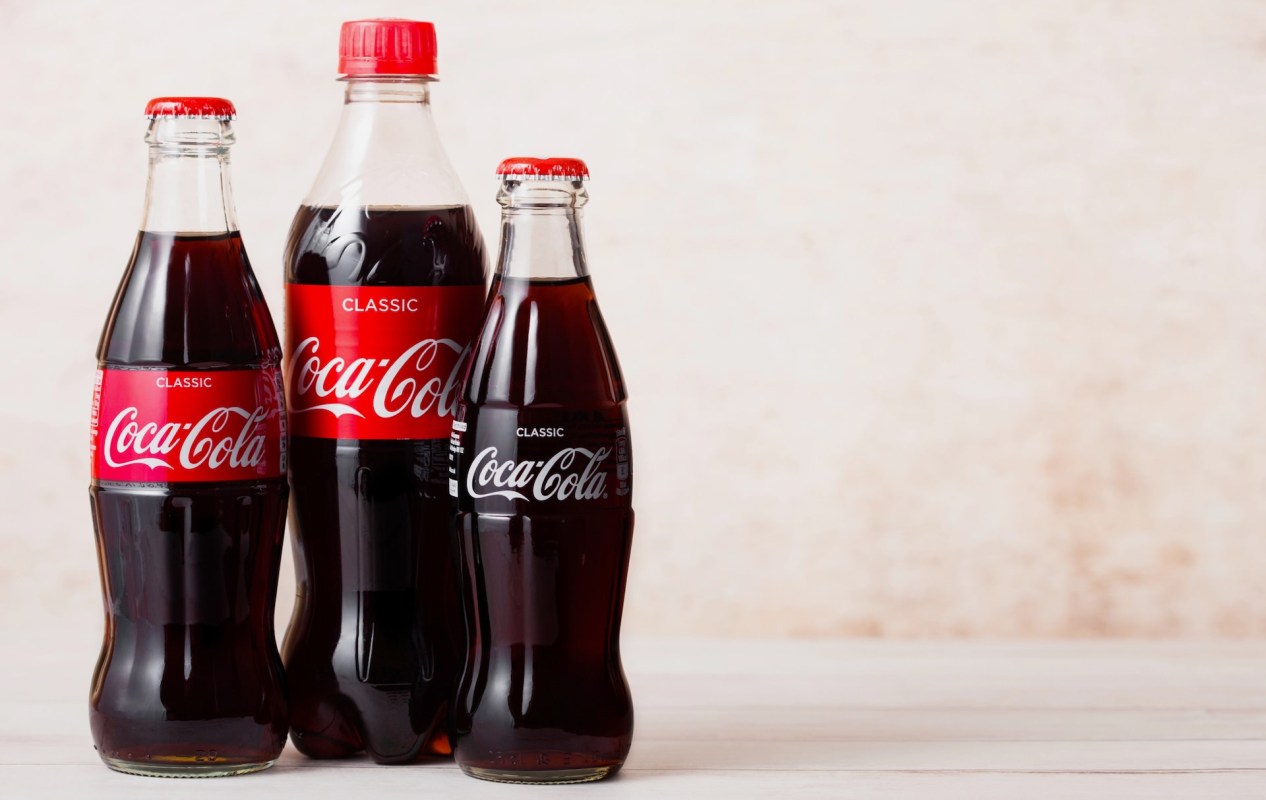
When Coca-Cola's now-ubiquitous curved, 20-ounce plastic bottle was first introduced in the 1990s, it faced both critics and a healthy dose of skepticism before becoming a resounding marketing success.
However, decades later, despite the bottle's highly recognizable design and widespread popularity, it is clear that the move, while a financial win, has come with significant costs in terms of both public health and the environment.
In a new book, Consumed: How Big Brands Got Us Hooked on Plastic by Saabira Chaudhuri, an excerpt from which was published in Wired, former Coke executives explained how the move, which led to consumers drinking more sugary beverages and to more plastic waste, came to be.
Susan McWhorter, then a 29-year-old marketing executive for the beverage giant, explained how the 20-ounce bottle was designed to encourage people to drink more soda.
The 20-ounce bottle was designed and released as Coca-Cola was increasing the size of its highly lucrative large fountain drinks from 16 ounces to 20 ounces.
"The consumers just ordered a large," McWhorter explained in the excerpt published in Wired. "They didn't know whether it had 16 ounces or 20 ounces in it. For us, the thinking was, 'We sell more, we make more, so let's size up."
"We were really training consumers at that time to drink more and more," McWhorter added, per Wired.
Doug Ivester, who served as Coca-Cola's CEO and chairman from 1997 to 2000, had other priorities. By incorporating the iconic shape of the brand's classic glass bottles into a new, larger plastic bottle, Ivester hoped to use consumer nostalgia to boost sales.
"I was concerned about the loss of brand imagery," Ivester said in the Wired excerpt. "I felt the contour bottle was a major conveyor of image and quality. It conveyed heritage and all the right things."
Thirty years later, for many people, the plastic bottles represent something else entirely, including an obesity epidemic in the U.S. and the prevalence of plastic waste around the world.
TCD Picks » Quince Spotlight
💡These best-sellers from Quince deliver affordable, sustainable luxury for all




|
Which of these factors would most effectively motivate you to buy a refillable product?
Click your choice to see results and speak your mind. |
 Saving money 💰
 Long recognized as the world's No. 1 polluter of branded plastic waste, Coca-Cola is on pace to use more than 9.1 billion pounds of plastic annually by the year 2030, according to a March 2025 report by Oceana.
"This would be nearly a 40% increase over the company's reported plastic use in 2018 and a 20% increase over the company's most recently reported plastic use in 2023, which was already enough plastic to circle the Earth more than 100 times," the report stated.
Plastic waste poses an enormous threat to the environment and public health. Experts have found microplastics everywhere on Earth, from the deepest parts of the ocean to the summit of Mount Everest, and even inside our own vital organs.
Plastic is not just a problem due to the waste it leaves behind; plastic production also releases huge quantities of planet-heating pollution. A 2024 report by Lawrence Berkeley National Laboratory found that, in 2019, plastic production accounted for about 2.5 gigatons of heat-trapping pollution, or 5.3% of the world's total.
Although the plastic problem may seem overwhelming, you can help make a difference every day. For example, by choosing plastic-free alternatives for everyday products and supporting brands that use plastic-free packaging, you can reduce your own plastic use while sending an important message to companies.

Join our free newsletter for good news and useful tips, and don't miss this cool list of easy ways to help yourself while helping the planet.
Cool Picks





