


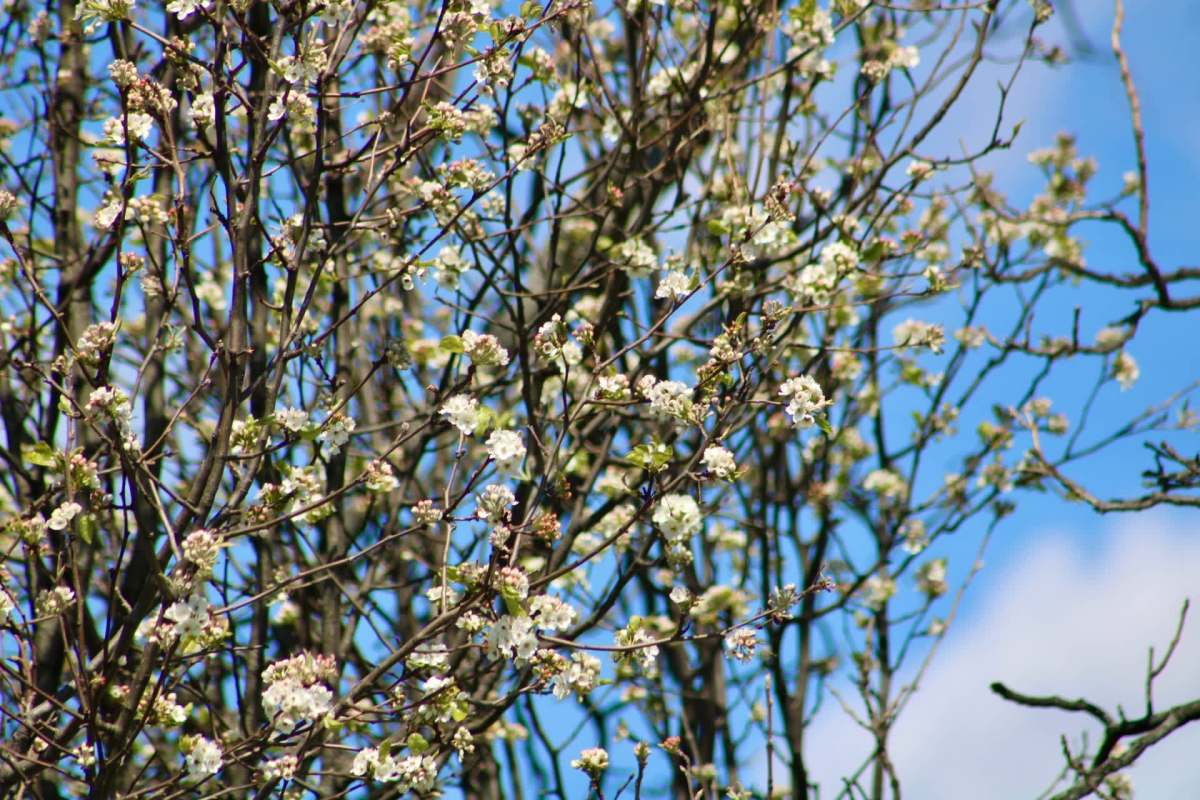
The sale of Callery pear trees will soon be illegal in Missouri, as state lawmakers have passed a ban on the popular but invasive species.
On July 14, the Griffon News reported, Gov. Mike Kehoe signed into law the Invasive Plant Bill. That legislation will eventually ban the sale of six invasive plant species, including the Callery pear.
The bill also bans sericea lespedeza, burning bush, Japanese honeysuckle, perilla mint, and wintercreeper. Most of the bans go into effect in 2027, and the Callery pear ban begins in 2029.
The Callery pear tree, also known as the Bradford pear, is popular in landscaping because of its large white blooms. But just like other invasive species, it spreads quickly and outcompetes native plants for valuable resources, such as sunlight and water.
Missouri is the fourth state to ban the tree's sale, joining Ohio, South Carolina, and Pennsylvania, and it comes after several previous attempts to curb its spread. For years, the Missouri Invasive Plant Council has had a buyback program; residents could submit a photo of their cut-down Callery pear and receive a native tree in return.
University of Missouri researcher Justin Krohn helped show the scope of the state's Callery pear problem with a study he co-authored in the journal Remote Sensing.
Krohn used a GPS device to log the exact location of 300 Callery pear trees in Columbia. Then, using machine learning and satellite images, researchers identified nearly 14,000 Callery pear trees or patches in the city with almost 90% accuracy.
By figuring out how many Callery pear trees are in certain locations, Krohn said, homeowners and officials can determine the best path forward to remove the invasive trees.
"You might do something different depending on where these trees are," Krohn said. "In a neighborhood with lots of houses, you're not going to cut them down yourself."
|
Do you think the government should ban gas-powered lawn tools? Click your choice to see results and speak your mind. |
 No way 🙅
Join our free newsletter for good news and useful tips, and don't miss this cool list of easy ways to help yourself while helping the planet.
TCD Picks » Quince Spotlight
💡These best-sellers from Quince deliver affordable, sustainable luxury for all




Cool Picks





