



A staple of the news cycle, artificial intelligence is almost exclusively framed in black-or-white terms, particularly when it comes to structures like education.
While even experts tend to adopt a for-or-against AI position, as the Guardian reported, an authoritative voice in the field offered a nuanced warning about AI and schooling.
Phillip Colligan is chief executive of the Raspberry Pi Foundation, a United Kingdom-based educational charity affiliated with the low-cost hardware initiative that shares its name and primary mission: Ensuring schoolchildren from all walks of life can learn about computer science.
Colligan is eminently qualified to parse the subtleties of the debate, particularly in the context of schooling, and his perspective went beyond common concerns about cheating or learning loss.
According to Colligan, a failure to ensure universal "AI literacy" could lead to catastrophic stratification between students who received adequate instruction on how to safely integrate the technology and those who didn't.
In December, The Economist observed that AI was already "rewiring childhood," citing a new wave of AI-enabled toys, games, and AI-generated children's content.
AI has been socially disruptive to say the least, but there are other well-documented concerns surrounding this increasingly omnipresent technology. In the United States, data centers and AI infrastructure have become a major flashpoint.
In mid-2025, data center backlash escalated, intensifying in the new year. Communities have objected to the noise pollution and harmful carbon pollution they generate, as well as to the way they deplete publicly funded resources like water and energy.
The latter has been of particular concern for several reasons: Electric bills spiked by nearly 40% in some states as data center demand drove up rates, and the Department of Energy warned that existing grid infrastructure wasn't up to the task.
As for the classroom, Colligan detailed the risks to students insufficiently skilled to navigate AI.
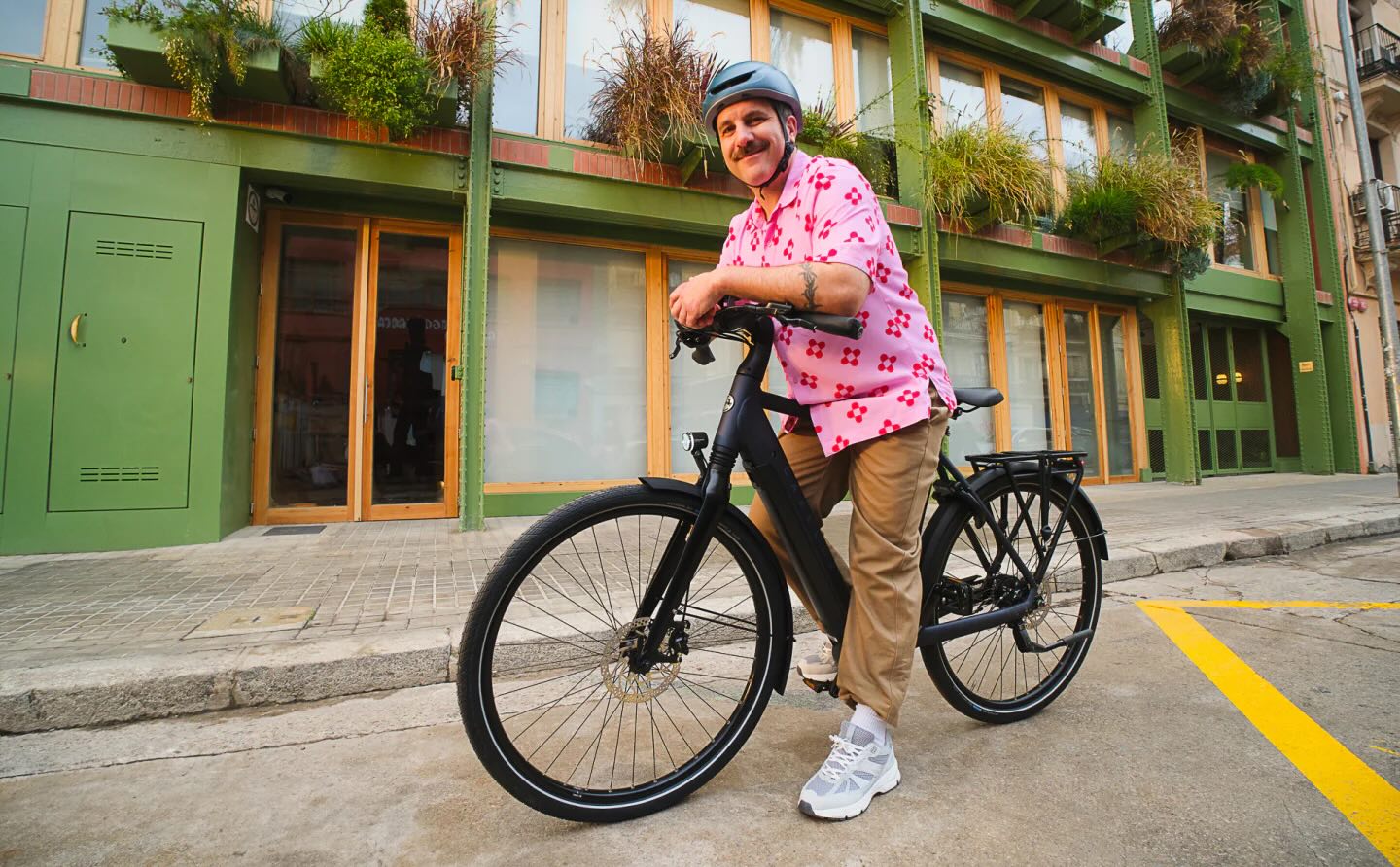
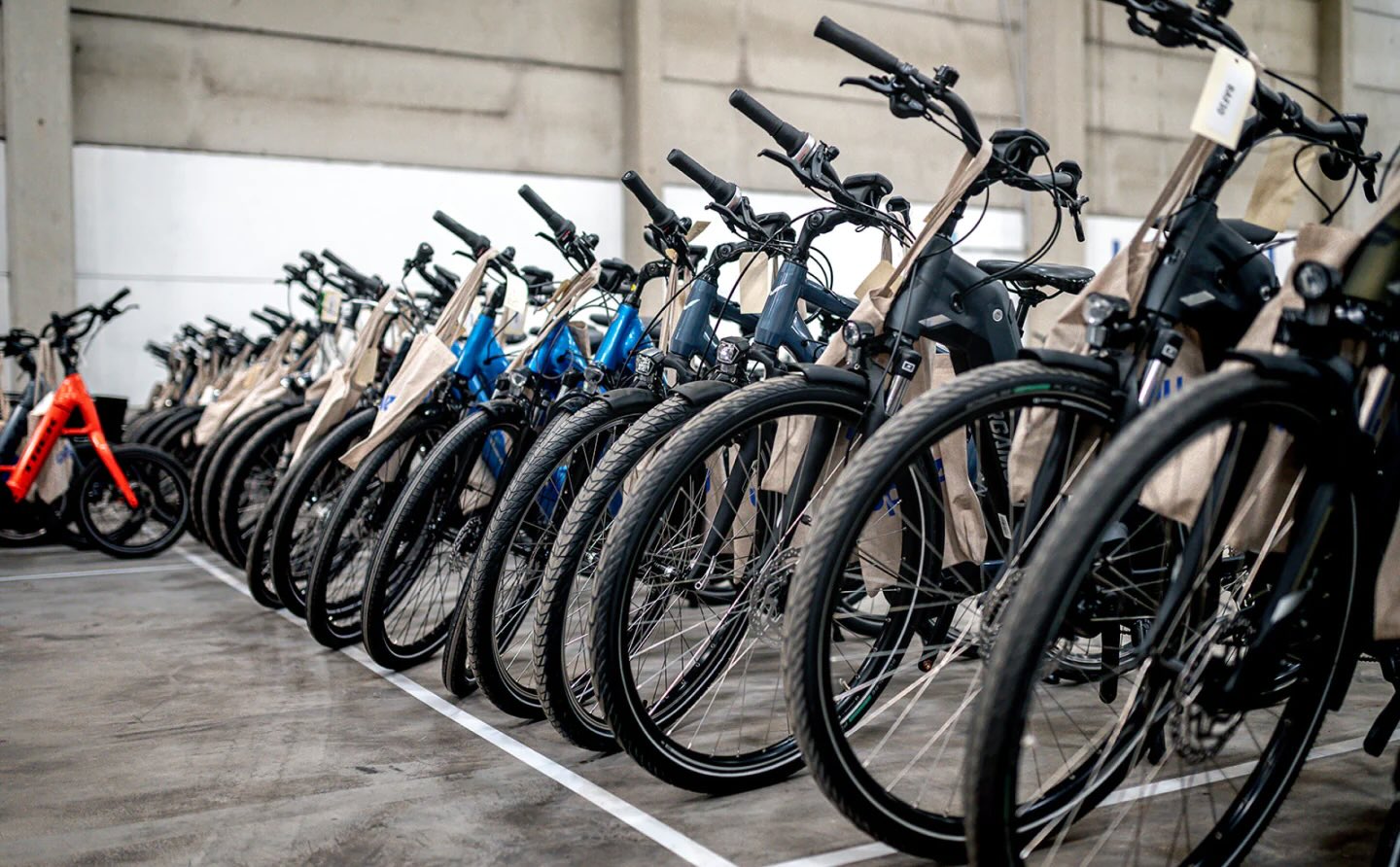
TCD Picks » Upway Spotlight
💡Upway makes it easy to find discounts of up to 60% on premium e-bike brands



|
How should we protect workers from losing jobs to AI-powered robots?
Click your choice to see results and speak your mind. |
 Financial assistance for job training 💰
 "There is a world where you've got a big split between kids who understand, have that core knowledge, and therefore are able to assert themselves and those who don't, and that could be really very dangerous," he cautioned, per the Guardian.
Researcher Simon Peyton Jones concurred, likening AI processes to "magic" for those who don't fully understand them. Colligan acknowledged the likelihood of AI decision-making in health care, finance, and law, which would socially disadvantage unskilled students.
"If you don't understand how those decisions are being made by automated systems, you can't advocate for your rights. You can't challenge them, you can't critically evaluate what's being presented to you," Colligan said.

Get TCD's free newsletters for easy tips to save more, waste less, and make smarter choices — and earn up to $5,000 toward clean upgrades in TCD's exclusive Rewards Club.
Cool Picks





