


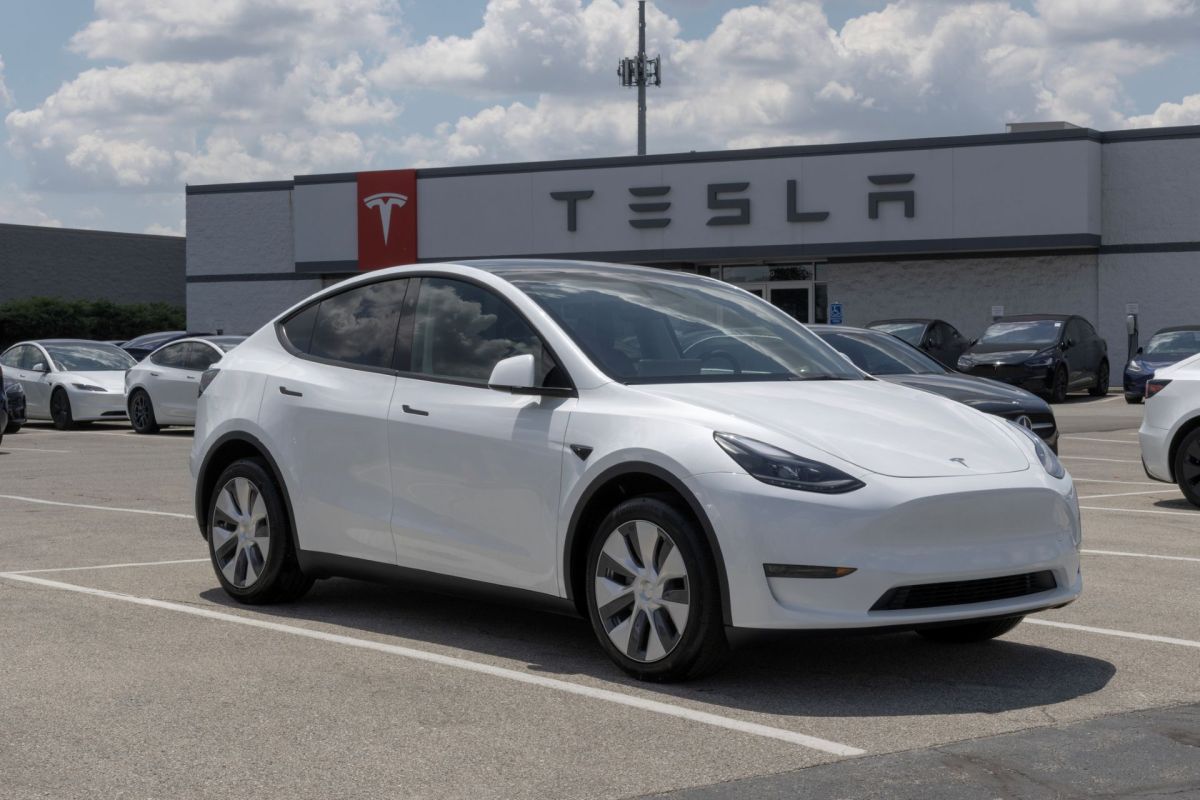
The reports of Tesla's demise in America were greatly exaggerated. As AutoEvolution reported, the latest U.S. EV sales figures show Tesla vehicles still well ahead, with the Model Y and the Model 3 grabbing the top two spots, while Hyundai's Ioniq 5 has emerged as the current car in bronze medal position.
What's happening?
During the first half of the year, American EV shoppers continued to choose the Tesla Model Y by a huge margin, with autoevolution reporting that more than 350,000 buyers picked the electric crossover. The Model 3 racked up around 150,000 sales of its own, per the outlet.
Hyundai, meanwhile, sold 20,730 Ioniq 5s in the United States, a 9% year-to-date increase that lifted the model into third place.
Ford's Mustang Mach-E headed in the opposite direction over the same six-month span, autoevolution reported, showing that the spots behind Tesla are still shifting.
The outlet noted that between the two models, Tesla topped half a million buyers across its lineup in the first six months of the year.
Why does it matter?
Tesla's continued dominance could help in several ways. Strong sales often create a larger pool of used vehicles, provide more owner feedback on real-world performance, and push competitors to keep improving on price, technology, range, and comfort.
TCD Picks » Quince Spotlight
💡These best-sellers from Quince deliver affordable, sustainable luxury for all




Hyundai's rise also shows that buyers are not limiting themselves to one brand. A stronger showing from the Ioniq 5 means consumers have another mainstream EV option gaining traction, which can help expand choice in a market that is still evolving quickly.
Higher EV sales overall can also mean fewer gas-burning miles on the road. That helps reduce planet-warming pollution and local air pollution while giving more drivers the chance to lower fuel and maintenance costs.
What can I do?
Vehicles such as the Model Y and Ioniq 5 show that shoppers now have several EV choices with different strengths, from cargo space to design to charging speed. Tesla still sets the pace, but Hyundai is showing that rivals can still gain ground.
More competition and choices can sweeten the deals for would-be EV drivers. They can avoid spending money at gas stations and often pay less for maintenance because electric vehicles have fewer moving parts than traditional cars.
If home charging is an option, the savings can be even greater. Charging an EV at home is significantly cheaper than relying on public chargers, often saving drivers hundreds of dollars per year.
If you're interested in home charging, Qmerit can help you install a Level 2 charger by offering free, instant installation estimates.

Get TCD's free newsletters for easy tips, smart advice, and a chance to earn $5,000 toward home upgrades. To see more stories like this one, change your Google preferences here.






