


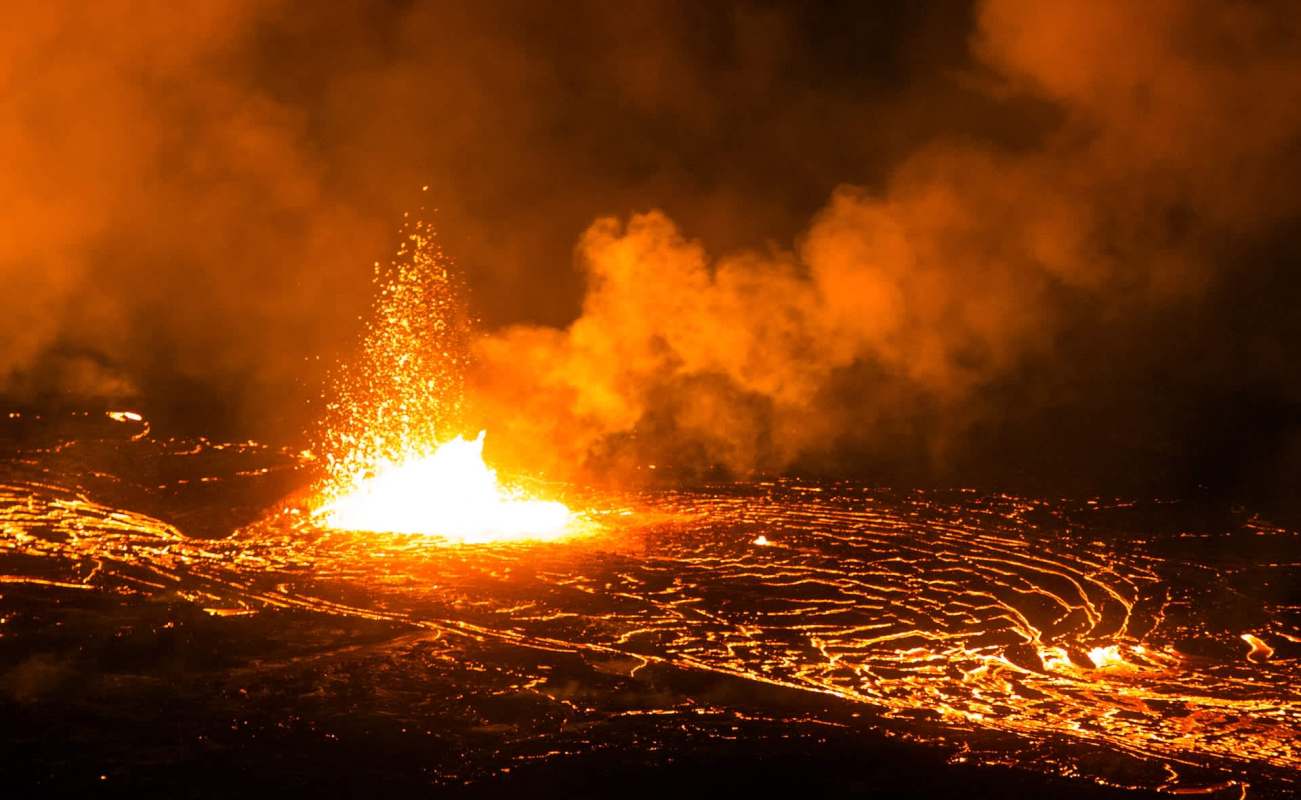
A giant volcanic eruption that stunned the world in 2022 may also have uncovered an unexpected clue in the fight against one of the planet's most dangerous pollutants.
According to EurekAlert, the underwater volcano Hunga Tonga–Hunga Haʻapai, which erupted in the South Pacific in January 2022, appears to have partially cleaned up some of the methane pollution released during the blast.
The discovery, published in Nature Communications, is raising hopes that nature may be pointing researchers toward a new way to slow rising global temperatures.
That possibility is significant because methane is a powerful driver of warming. Researchers estimate it is responsible for about one-third of global temperature increases, and over a 20-year period, it traps far more heat than carbon dioxide, as it is more insulating.
Unlike carbon dioxide, however, methane breaks down relatively quickly in the atmosphere, meaning reductions of methane made today could produce more measurable climate benefits within about a decade. By comparison, carbon reductions help but take more sustained years of reduction to provide a truly meaningful difference since the existing total in the atmosphere is already so high.
Using the European Space Agency's Sentinel-5P satellite, researchers tracked unusually high levels of formaldehyde in the massive volcanic plume for 10 days as it drifted toward South America.
TCD Picks » Quince Spotlight
💡These best-sellers from Quince deliver affordable, sustainable luxury for all




In other words, the plume was not simply moving through the sky — it appeared to be actively destroying methane for more than a week.
"It is known that volcanoes emit methane during eruptions, but until now it was not known that volcanic ash is also capable of partially cleaning up this pollution," said author Dr. Maarten van Herpen, per EurekAlert.
Researchers believe the chemistry resulted from a rare combination of volcanic ash, salty seawater, and sunlight.
When the eruption blasted seawater and ash high into the atmosphere, sunlight likely triggered the formation of highly reactive chlorine atoms, which then reacted with methane and helped break it apart.
The implications could be important for both climate science and future methane-reduction strategies.
For the public, cutting methane matters because it could help slow the warming that fuels more intense heat waves, droughts, and other costly extreme weather events.
Faster reductions in methane pollution could buy valuable time as longer-term carbon-cutting solutions continue to expand.
For example, in Quebec, scientists are constructing a first-of-its-kind commercial-scale carbon dioxide removal plant designed to extract over 120,000 tons of carbon from the atmosphere annually.
The discovery may additionally improve how scientists calculate the global methane budget, the balance between methane entering and leaving the atmosphere.
If dust and salt particles destroy methane more often than previously understood, researchers may need to revise those estimates.
The volcano itself released an estimated 300 gigagrams of methane during the eruption. But researchers calculated that the plume also removed around 900 megagrams of methane per day, roughly comparable to the daily methane emissions from about 2 million cows.
Scientists emphasized that the discovery does not replace the need to reduce carbon dioxide pollution, which remains critical for stabilizing temperatures over the long term.
Still, methane is often described as an "emergency brake" for rising global temperatures, and the study suggests nature may have offered researchers a surprising new lead.
"It's an obvious idea for industry to try to replicate this natural phenomenon — but only if it can be proven to be safe and effective," said researcher Matthew Johnson. "Our satellite method could offer a way to help figure out how humans might slow global warming."

Get TCD's free newsletters for easy tips, smart advice, and a chance to earn $5,000 toward home upgrades. To see more stories like this one, change your Google preferences here.







