


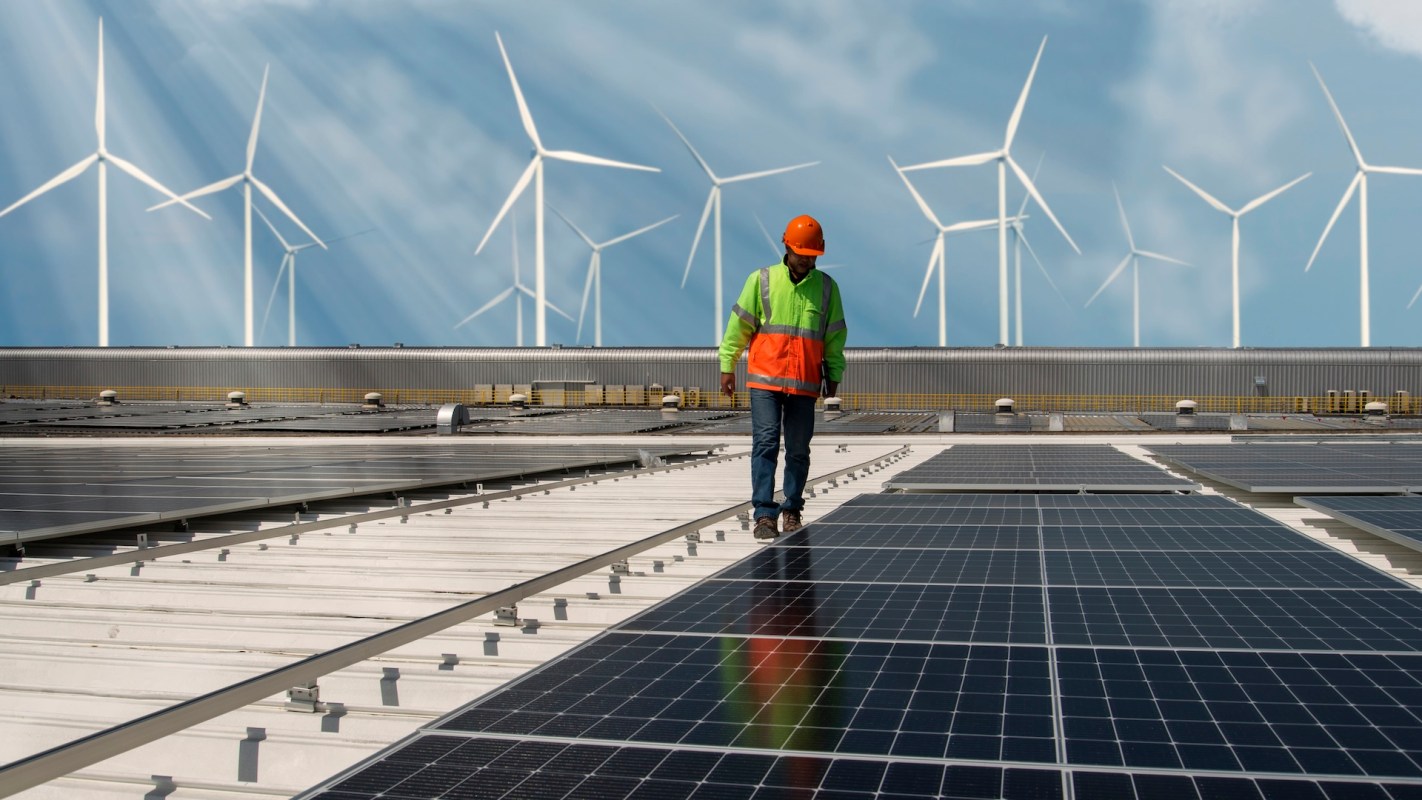
Clean energy is surpassing expectations, achieving what once seemed unattainable.
A recent global analysis by Ember found that, for the first time, renewable power generated more electricity than the world's demand growth required in 2025, reported The Associated Press.
According to the report, clean power generation rose by 887 terawatt-hours last year, outpacing the global increase in electricity demand of 849 terawatt-hours.
That marks a shift from previous decades, when rising demand almost always meant greater reliance on coal, oil, and gas.
"We're now moving into a world where that's no longer the case," said Nicolas Fulghum, Ember senior data analyst and lead author of the report, per AP.
A key driver of this transformation is solar energy.
TCD Picks » Quince Spotlight
💡These best-sellers from Quince deliver affordable, sustainable luxury for all




In 2025, solar alone expanded by 30%, meeting nearly three-quarters of the increase in global electricity demand. Combined with wind, these two sources accounted for 99% of that growth.
Meanwhile, coal, oil, and gas production declined by about 0.2% in 2025. As a result, last year was one of the rare instances this century when the use of these fuels did not rise.
That shift is now visible in the broader energy mix. Renewables account for more than one-third of global electricity for the first time in modern history, while coal's share has dropped below one-third.
Major economies are helping drive this momentum. China and India, long associated with heavy use of coal, oil, and gas, both saw declines in generation last year as they rapidly expanded solar and wind capacity. Together, they accounted for a significant share of global clean energy growth.
They're "now aggressively pursuing a strategy of diversification through bringing renewables into the mix. And those are the sources that are the biggest drivers of change in their power system today," Fulghum added, per AP.
This transition is already delivering tangible benefits. More clean energy can help stabilize electricity prices and make power systems more resilient during extreme weather or global fuel disruptions.
"As we're seeing the cost of oil be incredibly volatile right now because of the [Iran] war, I think more and more people are looking to that national security argument as a reason to think about how we electrify more and and how we're able to take advantage of additional solar and wind, which does not rely on other countries," said Alexis Abramson, dean of the Columbia University Climate School, per AP.
For households, the shift also opens the door to savings.
Platforms such as EnergySage offer free tools to compare quotes from local installers, with savings of up to $10,000. Meanwhile, Palmetto's $0-down LightReach leasing program can help lower utility rates by up to 20%.
"We've really crossed this important threshold that clean energy now can meet rising demand economically and at the same time really help address national security concerns," Abramson added. "The next challenge is really turning that into a steady decline of fossil fuel use as well. So it's a great step in the right direction."

Get TCD's free newsletters for easy tips, smart advice, and a chance to earn $5,000 toward home upgrades. To see more stories like this one, change your Google preferences here.






