


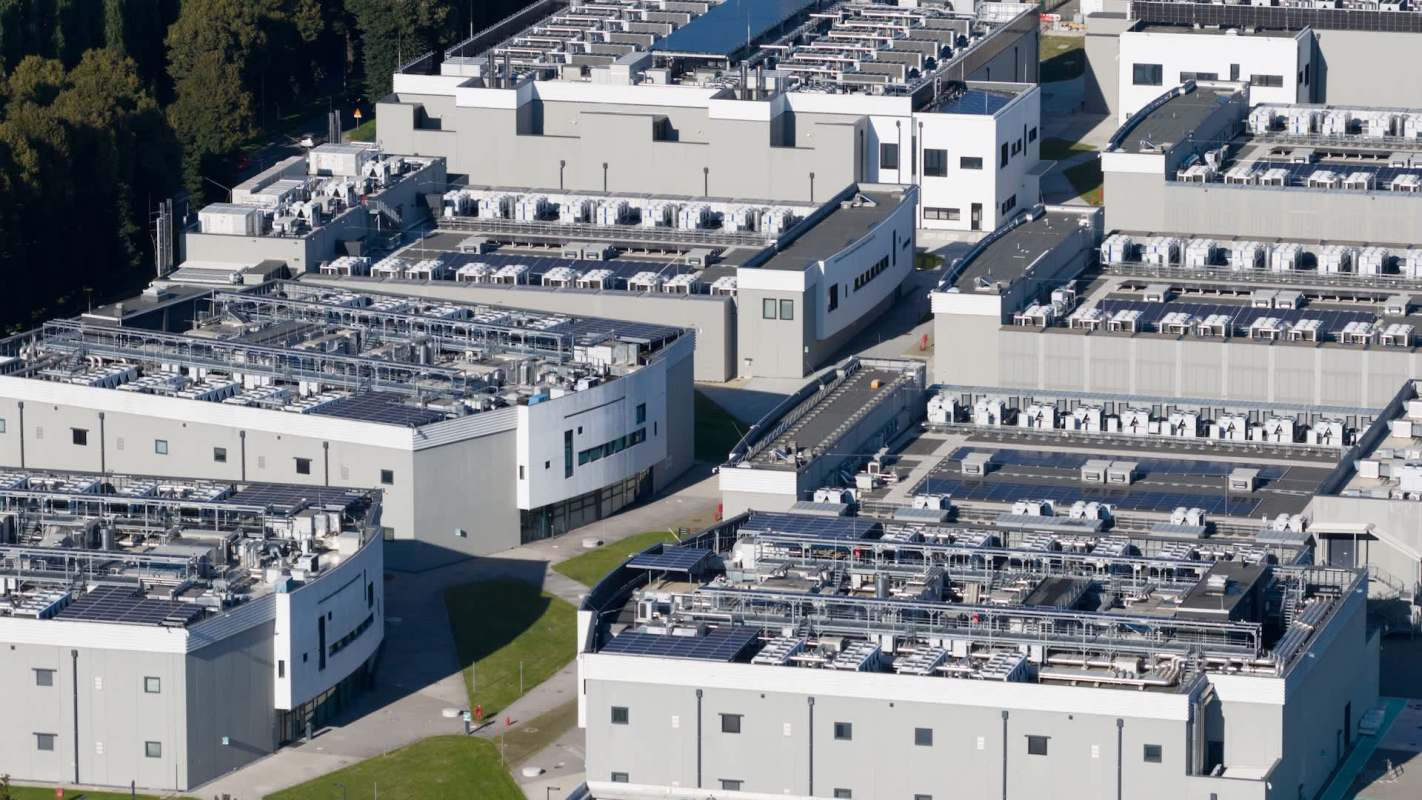
Perhaps one of the most defining traits of data centers right now is their extreme unpopularity, a remarkably bipartisan position.
According to Grist, the fledgling industry is well aware of broad public disdain and community pushback, and it's scrambling to wrest back control of the narrative.
Artificial intelligence technology, the primary driver of data center construction, has moved quickly since the release of OpenAI's ChatGPT in November 2022.
Google's first dedicated data center debuted in The Dalles, Oregon, in 2006, and locals are still battling officials and the company for information about and control over local water supplies.
But as AI adoption sped up, data centers followed in quick succession. As facilities sprouted up nationwide, troubling community reports followed: disruptive noise pollution, reduced air quality, and broader quality-of-life concerns.
Even those who were fortunate enough not to live in the shadow of a data center began to feel the strain on municipal water and power supplies.
TCD Picks » Quince Spotlight
💡These best-sellers from Quince deliver affordable, sustainable luxury for all




Electric bills skyrocketed in many states, with some rising close to 40%, and the Department of Energy warned that insufficient grid capacity could lead to more blackouts.
Consequently, backlash ensued, beginning in early 2025. In the second half of the year, data center cancellations quadrupled.
As Grist noted, the industry responded with "a full-scale public relations blitz"; Meta, a key player in the AI race, began running ads that framed data centers as "a viable replacement for lost industrial and farming jobs."
However, the outlet observed that the ads — showcasing Altoona, Iowa, home to a data center since 2013 — ran in coastal markets, potentially targeting policymakers rather than locals.
|
What's the most you'd pay per month to put solar panels on your roof if there was no down payment?
Click your choice to see results and speak your mind. |
 $200 or more 💰
 Grist reported that pro-data center advertisements tended to promise local investments, minimal impacts to residents, and, most compellingly, ostensibly well-paying jobs in areas that might be economically disenfranchised or in decline.
But the outlet cited a January Food and Water Watch brief that strongly contradicted that narrative, using data center magnet Virginia as an example.
Data centers created "just one permanent job for every $13 million invested," the group determined. In total, it estimated that 0.01% of "total U.S. jobs" were data center-based but that the facilities accounted for 4.4% of "U.S. electricity usage."
In essence, the brief held that data centers take far more than they give to communities. Virginia-based activist Elena Schlossberg opposes data centers, and she likened the ads to tobacco industry propaganda of decades past.
In this case, though, she didn't think the data center PR blitz would work, given the effects and increased costs inflicted on many communities.
"There's no putting the toothpaste back in the tube. People already know we're still covering their costs. People know that," Schlossberg said.

Get TCD's free newsletters for easy tips to save more, waste less, and make smarter choices — and earn up to $5,000 toward clean upgrades in TCD's exclusive Rewards Club.






