


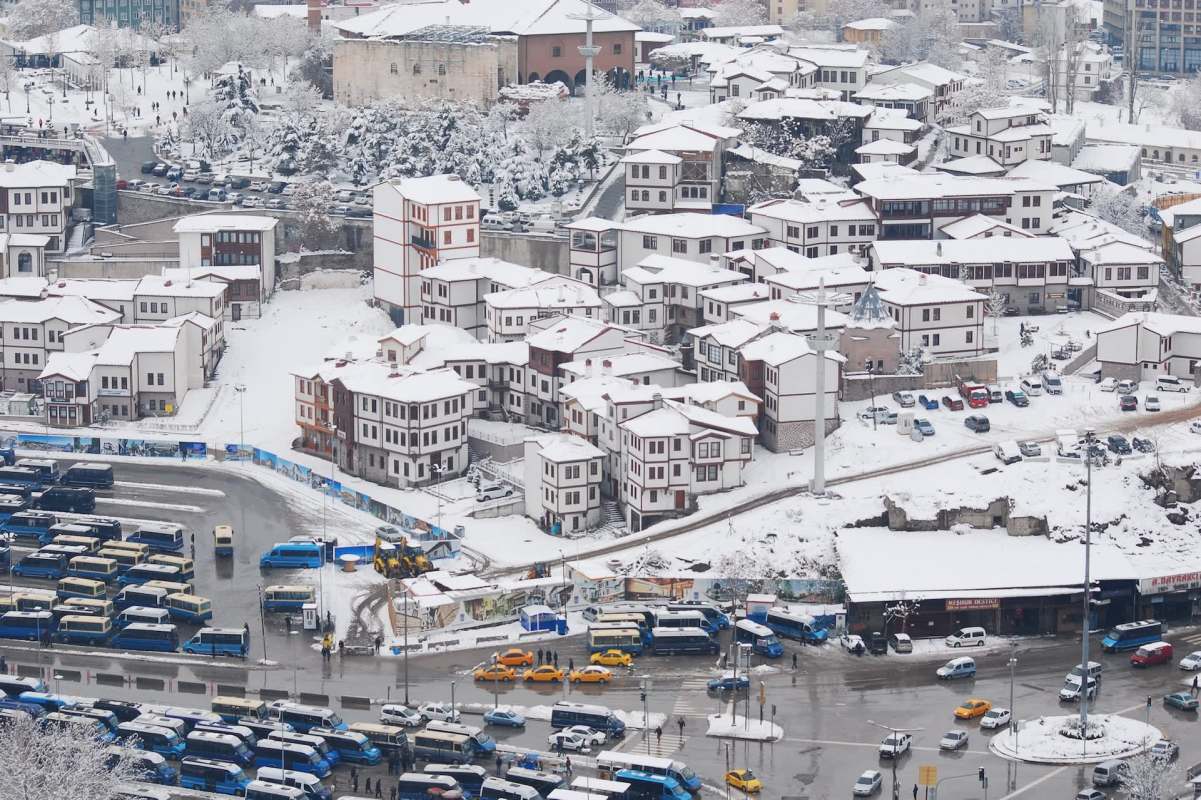
Turkey has a wide variation of climates as it spans two continents.
Yet a researcher at Istanbul Technical University believes one thing could remain constant this winter — the weather will be unpredictable.
What's happening?
Professor Mikdat Kadıoğlu analyzed international climate models and expects "significant regional disparities" to "shape the country's climatic landscape," according to the Daily Sabah.
The western and southern coastal regions could be mired in drought, while the eastern Black Sea could receive unusually high precipitation and experience temperature anomalies.
"While seasonal climate models offer directional guidance rather than precise predictions, the data affirms that winter 2025-2026 will be both variable and unpredictable," the Daily Sabah wrote.
Why is this important?
Heavy rains, droughts, wildfires, and extreme conditions are nothing unusual. However, a warming climate has increased the intensity of these events and made weather patterns more volatile — disrupting agriculture, tourism, and other crucial economic sectors.
TCD Picks » Quince Spotlight
💡These best-sellers from Quince deliver affordable, sustainable luxury for all




In Turkey, winter tourism hub Uludağ may have limited days of snow cover — also hindering its ability to supply water heading into summer. Uludağ is frequently described as the city of Bursa's "water insurance," according to Türkiye Today, but residents have begun restricting their water use as warming trends have limited the city's ability to build up its water reserves.
Meanwhile, the Aegean region may see up to 75% less rainfall, while the Mediterranean grapples with high temperatures, per the Daily Sabah. This could result in reduced crop yields. While farmers feel the financial impacts most directly, the effects also ripple out to consumers.
What's being done about this?
More than a century's worth of scientific evidence indicates that today's unprecedented rise of global temperatures is tied to human activities — and particularly fossil fuel usage — rather than being part of Earth's natural warming and cooling cycles, according to NASA.
Given that gas, oil, and coal are finite resources and produce toxic pollution, researchers are seeking cleaner ways to power our world without harmful effects or a transitional disruption in quality of life. To that end, fusion shows promise as a virtually limitless, clean energy source of the future, while solar and wind projects are making a meaningful difference right now.
|
How cold does it get where you live? Click your choice to see results and speak your mind. |
 Well below zero 🥶
 Learning about critical climate issues can help you determine how you want to contribute to a cleaner, cooler future.
Meanwhile, communities are ensuring they are ready to face extreme weather. Some have turned to natural solutions, such as oyster reef or mangrove restoration, to protect against storm surges.
In Turkey, "preparing for simultaneous drought risks, sudden snowfall, freezing events and weather-related disruptions will remain a strategic priority," according to the Daily Sabah.

Get TCD's free newsletters for easy tips to save more, waste less, and make smarter choices — and earn up to $5,000 toward clean upgrades in TCD's exclusive Rewards Club.







