


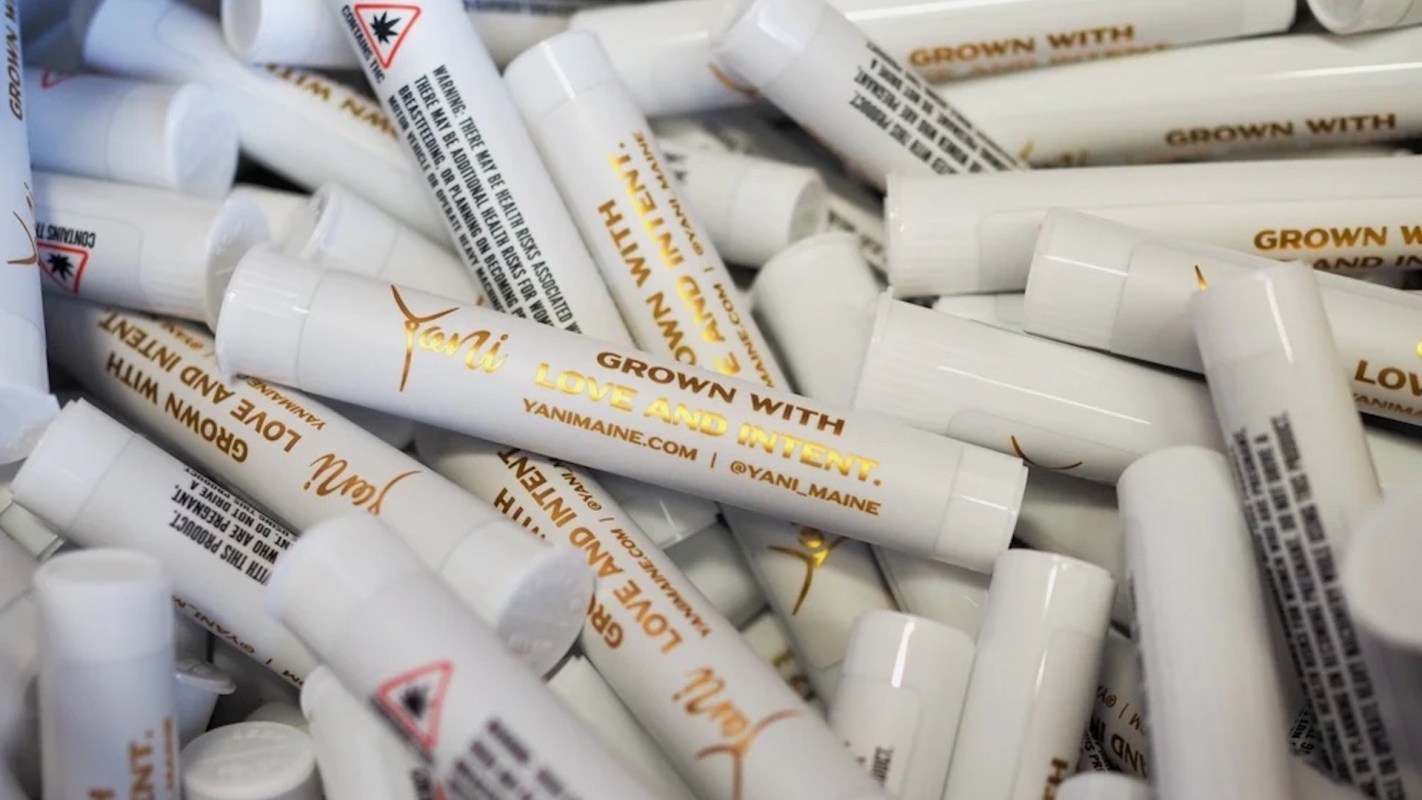
Cannabis vaping products in Maine have been recalled due to pesticides that are giving users bad reactions.
What's happening?
CBS13 reported at the end of October that the brand Yani Cannabis' "Watermelon Chimera" vaping product, produced by NorCO Outdoor Cannabis, was found to contain the pesticide chlorfenapyr.
One user complained to the state about an adverse reaction. The recalled product originally passed mandatory state tests, including one for chlorfenapyr. It's unclear when the vaping products became contaminated with this pesticide.
On Nov. 14, CBS13 followed up on the story with a new recall, this time for Yani's "Apples & Bananas," "Cherry Tartufo," and "Lemon Cherry Pie" vape cartridges. Stores in Auburn, Kittery, Portland, and Thomaston are on the list of retailers that sold the vapes between July and October 2025.
The owner of Yani Cannabis said his company does not use pesticides and always aims to make safe products.
Why are these vapes concerning?
According to Maine's Office of Cannabis Policy, inhaling chlorfenapyr can cause sweating, high fever, nausea, and vomiting. If this pesticide is used on cannabis plants, it contaminates the end product. The most troubling part of all this is that the Yani products supposedly did pass all testing. Officials have yet to determine how the pesticide ended up in the vape concentrates.
TCD Picks » Quince Spotlight
💡These best-sellers from Quince deliver affordable, sustainable luxury for all




Pesticides and herbicides are harmful to humans, animals, and the planet. These toxic substances can cause cancer, neurological damage, and soil and water contamination. They can disrupt entire ecosystems, worsening pollution.
The vapes themselves are also bad for people and the planet. They're made with plastic and use lithium-ion batteries. When improperly discarded, they contribute to the growing microplastics problem, and these batteries create fire hazards and environmental contamination.
What's being done about contaminated vaping products?
Maine officials have promptly recalled the contaminated products, and cannabis stores are contacting customers who may have purchased the vapes. Customers are encouraged to dispose of the vapes or return them for a full refund.
Shai Bareket, owner of the OMG Cannabis Co. store, told CBS13: "If it's truly contaminated and made anyone sick, that's unfortunate and shouldn't happen … And I hope to prevent those cases from reoccurring."
Ultimately, even without chlorfenapyr, vaping is still dangerous. Inhaling questionable chemicals harms human health, while plastic waste and lithium batteries worsen pollution. Some cities have banned vapes, creating a cleaner environment for everyone. Educating others on the dangers of vaping can save people from consuming these toxins and hurting the Earth.
|
Do you worry about having toxic forever chemicals in your home?
Click your choice to see results and speak your mind. |
 Majorly 😥
Get TCD's free newsletters for easy tips to save more, waste less, and make smarter choices — and earn up to $5,000 toward clean upgrades in TCD's exclusive Rewards Club.






