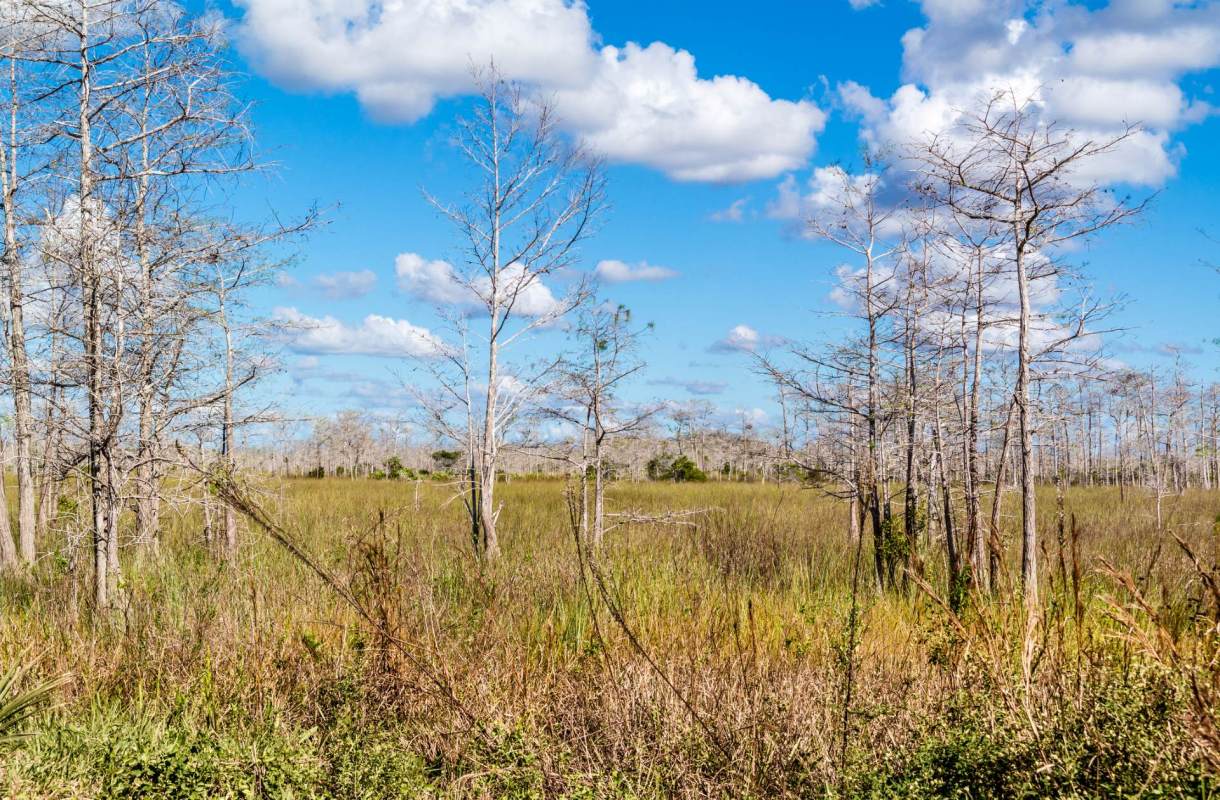
The Tallahassee, Florida, area experienced weeks of severe dryness between August and October before receiving 0.22 inches of rain late that month, the most substantial rainfall before a storm in early December. Even after more recent heavy rains, drought conditions have persisted.
Due to the extended dry period, the Tallahassee Democrat dubbed the Florida state capital and neighboring areas the drought capital of the country. According to the local newspaper, the last time the area was this dry was in 2011.
In its Nov. 20 report, the National Weather Service classified portions of the Florida-Georgia border in "exceptional drought" status.
What's happening?
NWS senior hydrologist Kelly Godsey told the Tallahassee Democrat that a period of limited rainfall began on Aug. 12.
After seeing some rain in late October, the Florida Weather Center celebrated that North Florida and the rest of the Panhandle saw rain once again in early December. Precipitation reached two inches in some areas, according to the News Herald, which also reported some cases of flooding as heavy rainfall combined with high tides to overtake some low-lying areas.
During the driest period this fall, however, wildfire risks had increased, with several counties issuing burn bans.
TCD Picks » Quince Spotlight
💡These best-sellers from Quince deliver affordable, sustainable luxury for all




"It's dangerous in terms of how dry things are out there, and so we do want people to be aware of that," Godsey told the Democrat back in November.
Why are such droughts concerning?
Florida and nearby states have been experiencing short-term but intense "flash droughts" since at least 2000, according to a study published in the journal Water. These periods can last up to eight weeks, typically occurring between May and October.
However, this year's worsening drought drew attention from media outlets such as Newsweek as early as April. Researchers have previously indicated that as global temperatures rise, the phenomenon could become more common.
When a dry spell is paired with rising temperatures, droughts can become more severe than historically expected. And when water becomes scarce, drinking water supplies, food systems, hydroelectric power, and economies are strained.
|
How often do you worry about air pollution where you live? Click your choice to see results and speak your mind. |
 Always 😷
 Drier landscapes can also exacerbate wildfire risks. The resulting smoke can worsen air quality, compromise health, and roil travel.
What's being done about this?
Since 2020, the Southeast Drought Early Warning System has coordinated drought monitoring across the region through an expanded system. Relatedly, the state is studying the possibility of storing water through surface reservoirs, aquifer storage, and recovery facilities, according to the Florida Department of Environmental Protection.
Leon County — of which Tallahassee is the county seat — issued a temporary burn ban to address wildfire risks. The ban was extended even after the early-December rainfall, as drought conditions continued.
In addition to complying with burn bans, residents can help reduce wildfire risks by keeping gutters and yards debris-free and storing flammables safely.
They can also follow water-saving guidelines by limiting unnecessary water output, repairing leaks, taking shorter showers, and turning off faucets when not in use.

Get TCD's free newsletters for easy tips to save more, waste less, and make smarter choices — and earn up to $5,000 toward clean upgrades in TCD's exclusive Rewards Club.