


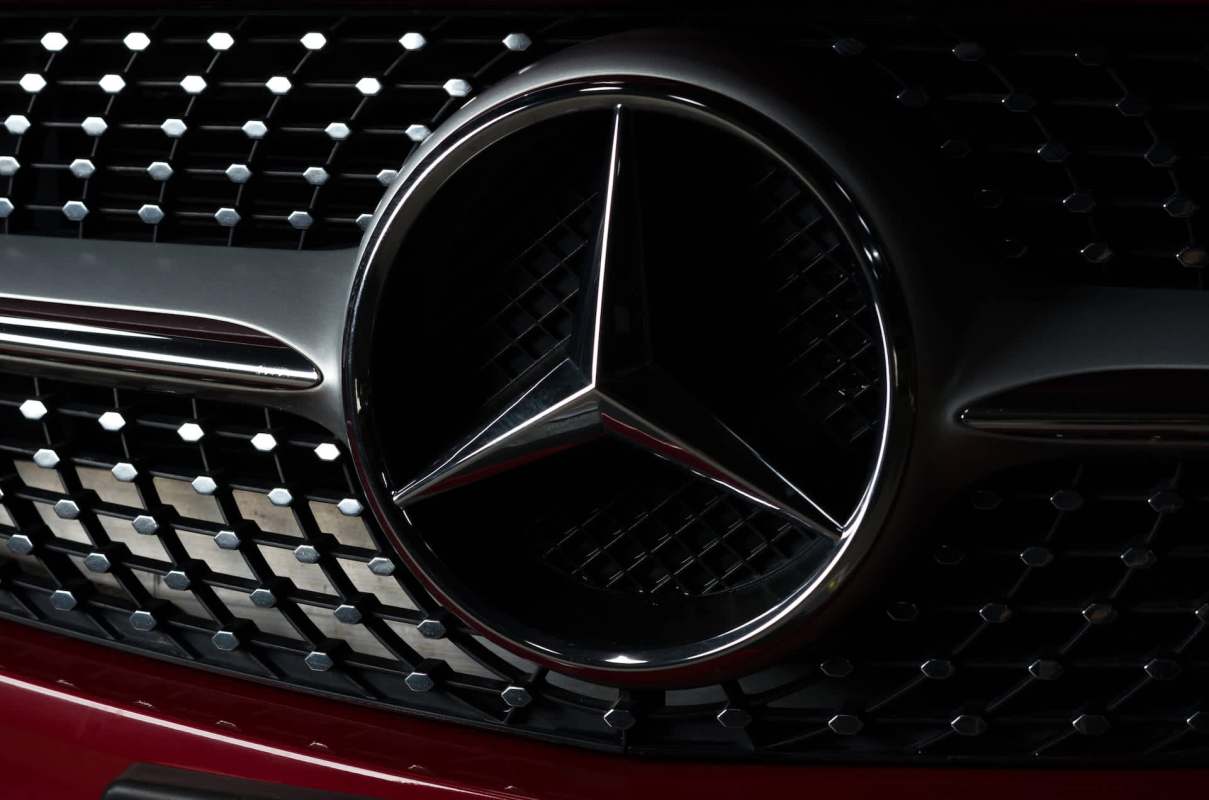
Mercedes-Benz is looking beyond sleek design and luxury performance — and straight into the future of clean mobility, according to CleanTechnica.
Its newest concept vehicle, the ELF (Experimental Lade Fahrzeug), isn't just another electric van. It's a mobile lab built to test the next generation of electric vehicle charging — faster, smarter, and cleaner than ever before.
The ELF represents Mercedes' boldest step yet toward a zero-pollution future. Unlike traditional EVs, this prototype can handle nearly every form of charging imaginable: ultrafast CCS and megawatt systems, wireless charging, and even vehicle-to-grid power sharing. In short, ELF can both receive and return energy — transforming EVs from simple cars into mini power plants on wheels.
"Electric mobility is more than just technology," the company wrote in a recent announcement. "ELF is more than a vehicle. It's a symbol of a bold new era in charging."
The ELF's most exciting breakthrough lies in bidirectional charging — the ability to store renewable energy and send it back to the grid or even power a home during outages. Mercedes said its system could help reduce household energy costs by up to 500 euros (around $576) per year. That's a win for both sustainability and affordability.
For households equipped with solar panels, the potential is even greater. Pairing rooftop solar with an EV like this one can drastically reduce charging costs — and that's where resources like TCD's Solar Explorer can be helpful. Included is EnergySage, a TCD-vetted platform that helps homeowners compare solar quotes and find systems that maximize energy savings, making clean driving even more cost-effective.
TCD Picks » Quince Spotlight
💡These best-sellers from Quince deliver affordable, sustainable luxury for all




Mercedes engineers are also testing inductive (wireless) and conductive (floor-plate) charging, which could make plugging in completely obsolete. For city dwellers and fleet operators, this means faster, cleaner, and more accessible energy — especially when combined with the company's push toward automated, robotic charging stations.
ELF is helping Mercedes test charging speeds of up to 900 kilowatts, potentially refueling an electric car in just 10 minutes. That's nearly the same time it takes to fill a gas tank — without the harmful carbon pollution.
These advancements aren't just about convenience. By improving the efficiency and accessibility of EV charging, Mercedes is tackling one of the biggest challenges in reducing pollution: the infrastructure gap. As more drivers make the switch, shorter charging times and grid-friendly batteries could lead to cleaner city air and less dependence on fossil fuels.
|
How long would you be willing to wait for an EV to charge? Click your choice to see results and speak your mind. |
 5 minutes or less ⏲️
 Mercedes expects some of these features — like bidirectional home charging — to roll out in Europe by 2026, with broader adoption soon after.
If ELF is any indication, the future of driving may look less like stopping for gas — and more like seamlessly sharing power.

💰Get TCD's free newsletters for easy tips to save more, waste less, and make smarter choices — and earn up to $5,000 toward clean upgrades in TCD's exclusive Rewards Club.






