Arkansas officials have discovered an invasive plant spreading across a popular lake, which spells bad news for local anglers.
What's happening?
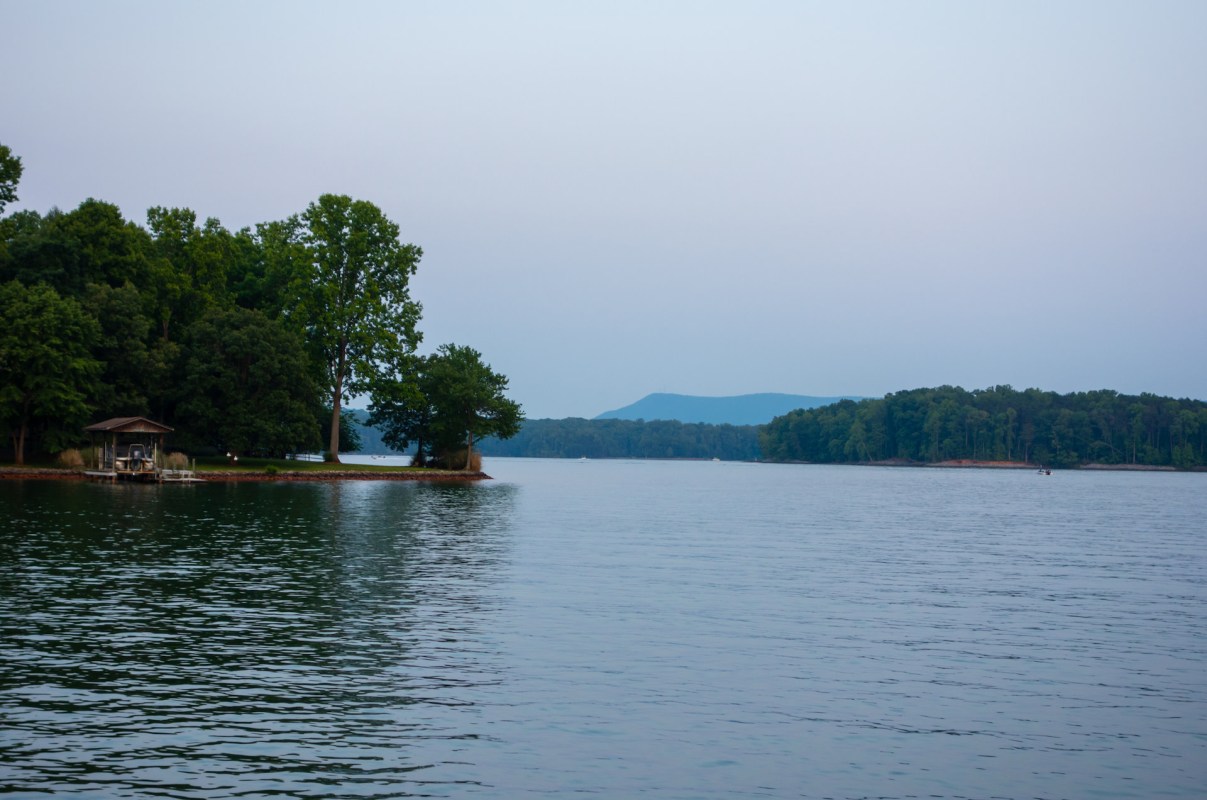
The Arkansas Game and Fish Commission (AGFC) announced the presence of Cuban bulrush in Cane Creek Lake, according to KATV. Cuban bulrush is a medium-height grass with spherical florets. They are considered invasive species because they form mats that restrict native plants in freshwater sources.
The AGFC has been taking steps to mitigate the issue. However, Ryan Mozisek, AGFC's district fisheries supervisor, said it's difficult to treat the spread at this point in the year.
"Management efforts will need to be continued over the next several years to combat the vegetation in the lake so that anglers do not lose any more fishable water to these floating islands," Mozisek told KATV.
Why are invasive species important?
Invasive species can disrupt a local ecosystem because they outcompete native plants and wildlife for resources. Every region has a carefully crafted ecosystem that has been built over centuries, with native organisms creating mutualistic relationships.
When an invasive species threatens the livelihoods of native ones, the entire balance of the ecosystem is thrown off. This can have far-reaching consequences, including crop damage or blocking access to public waters. In the case of the Cuban bulrush in Arkansas, the plant threatens local industry because it can potentially restrict fishing.
TCD Picks » EDF Spotlight
💡EDF's Vital Signs newsletter delivers stories about game-changing solutions close to home and around the world



An easy way to support your local ecosystem is to plant native flora in your yard. This attracts important pollinators that help your garden thrive and our food supply survive. Plus, using native plants saves you money on water and fertilizer because they are easier to upkeep compared to monoculture lawns.
What's being done about invasive species?
Arkansas officials are implementing efforts to reduce the spread of invasive Cuban bulrush over the next few years.
In the meantime, they also informed fishermen that they should clean, drain, and dry their boats and trailers. This helps to prevent the spread of the plant throughout the lake.
|
Would you be willing to let your yard grow wild? Click your choice to see results and speak your mind. |
 I already have 😎
💰Get TCD's free newsletters for easy tips to save more, waste less, and make smarter choices — and earn up to $5,000 toward clean upgrades in TCD's exclusive Rewards Club.
TCD Picks » Quince Spotlight
💡These best-sellers from Quince deliver affordable, sustainable luxury for all




Cool Picks