


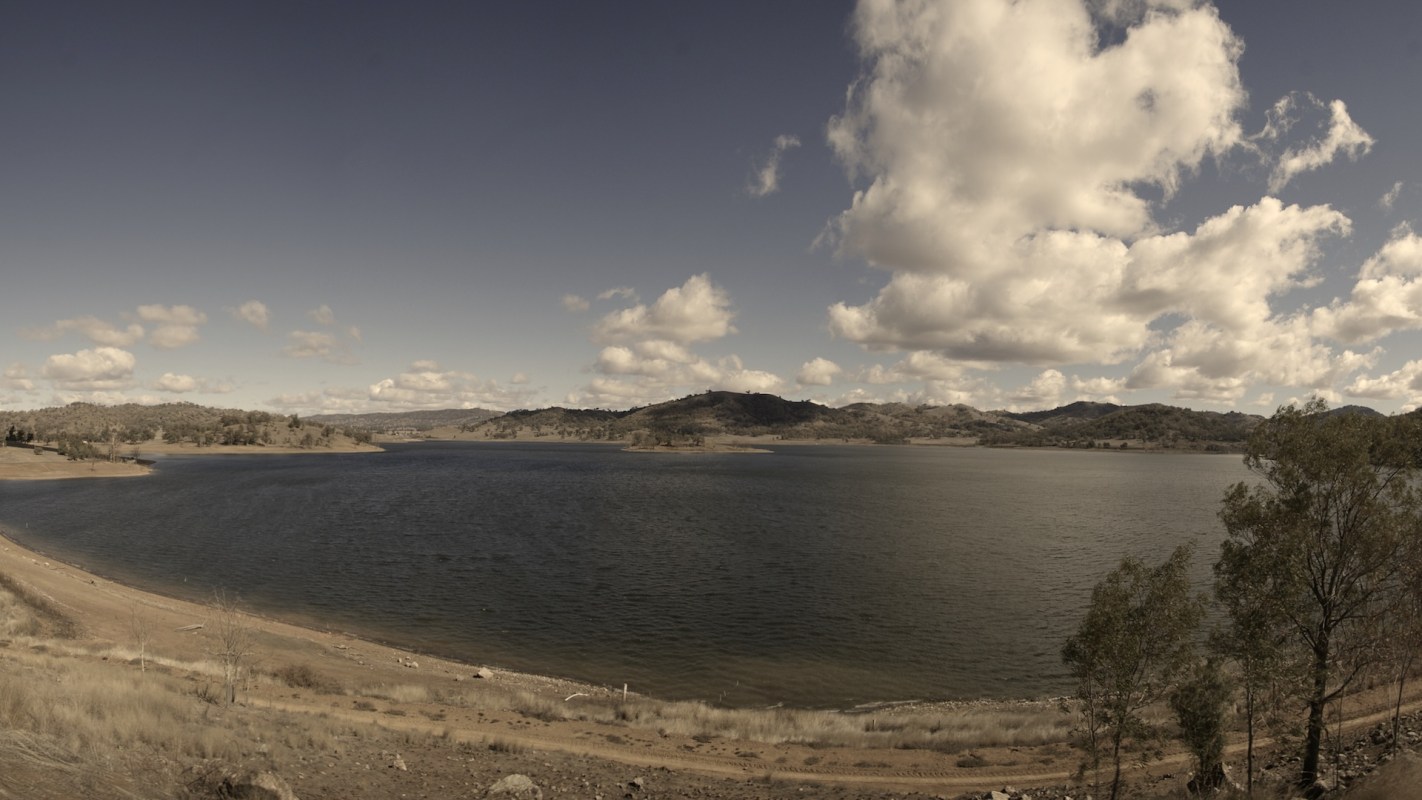
A rural Australian community is facing a water emergency after two of its three main drinking water bores were found to be contaminated with toxic "forever chemicals." Officials in Narrabri Shire, a town of nearly 13,000 people in northern New South Wales, say they have less than two weeks of clean water left unless a solution is found.
What's happening?
Australia's ABC News reported that the contamination crisis began earlier this year when testing revealed high levels of PFAS (per- and polyfluoroalkyl substances) in two of the town's three water sources. Often used in firefighting foams, nonstick cookware, and cleaning products, PFAS chemicals don't easily break down, lingering in soil and water for decades — hence the nickname "forever chemicals."
Following new national guidelines that lowered PFAS limits, two of Narrabri's bores were shut down in July. The community has since been forced to depend on the only bore left, which is running at near capacity. Authorities have imposed Level 4 water restrictions, banning car washing and pool filling and limiting hose use to overnight hours.
"We are relying on one source of water, and for a town the size of Narrabri, it's unacceptable," said Narrabri Shire Mayor Darrell Tiemens. "The NSW government is working with us, but it's taking too long."
Why are PFAS concerning?
PFAS exposure has been linked to serious health risks, including certain cancers, immune system suppression, and health issues in children. Contaminated drinking water has become a growing problem around the world — from Michigan and Maine in the U.S. to Queensland and other areas in Australia.
Residents in Narrabri are also worried about who will pay to fix the problem. Without immediate help, the town could run out of usable water within weeks, putting families, farms, and local businesses at risk.
TCD Picks » Quince Spotlight
💡These best-sellers from Quince deliver affordable, sustainable luxury for all




What's being done about it?
The New South Wales government has pledged to help, with Minister for Water Rose Jackson promising "everything possible" will be done to secure safe water, per ABC. Plans include installing a new pump, exploring new water sources, and even deploying temporary treatment units or bottled water deliveries if needed.
However, long-term solutions will require both new infrastructure and stricter regulation of PFAS contamination nationwide — including cleanup programs and better waste management standards.
Communities around the world have taken steps to protect themselves from these toxic "forever chemicals" — from installing advanced filtration systems to pushing for stronger pollution prevention measures, as seen in other towns that have taken action to regulate and even ban PFAS. People can also consider upgrading their cookware to avoid PFAS exposure.
|
How often do you worry about the quality of your drinking water? Click your choice to see results and speak your mind. |
 Never 👎
Join our free newsletter for good news and useful tips, and don't miss this cool list of easy ways to help yourself while helping the planet.







