


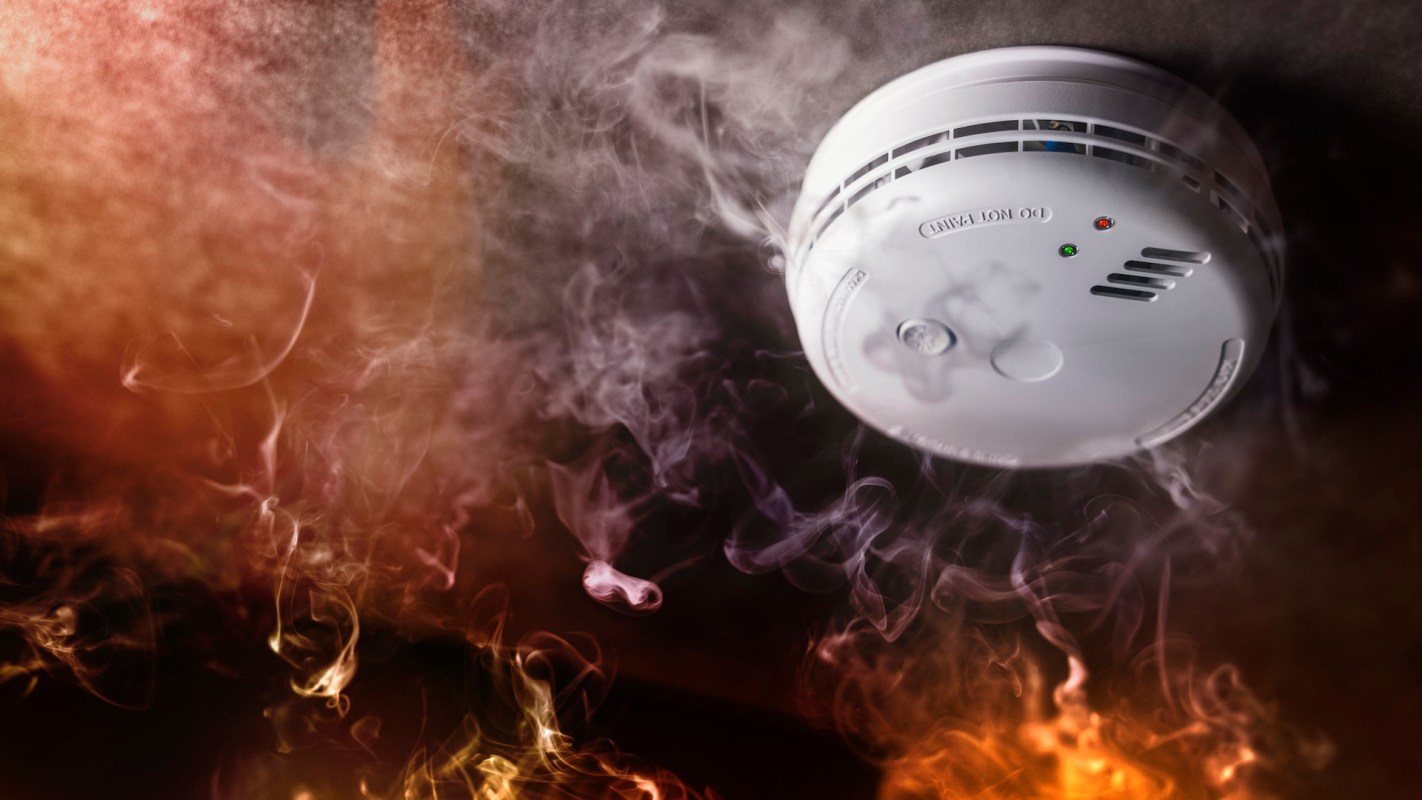
A dog accidentally sparked a house fire in North Carolina after chewing on a lithium-ion battery-powered device, illustrating how batteries can pose risks, according to USA Today.
What's happening?
Lithium-ion batteries can pose a fire risk if not stored or disposed of properly.
The fire department determined that Colton likely broke the battery's protective seal, causing the fire.
Colton's owner, David Sasser — who is, ironically, a firefighter — shared a video in order to educate the public.
"When you're done charging them, like you have to really pay attention and unplug them," he emphasized, per WRAL.
"You have to make sure you store them, you know, where they can't get broken or cracked or chewed on by a dog, and then when you're done with them, they have to be disposed of in a specific way."
TCD Picks » Quince Spotlight
💡These best-sellers from Quince deliver affordable, sustainable luxury for all




Why is this important?
Lithium-ion batteries are used to power various electronics, including cellphones, laptops, electric cars, and vape cartridges, and are becoming increasingly prevalent because of their rechargeable nature.
The National Fire Protection Association stated: "Lithium-ion batteries store a lot of energy in a small place. These batteries can overheat, start a fire, or explode if overcharged or damaged."
It advised the public to stop using a device or battery if either starts to emit a strange odor, gets unusually hot, makes popping sounds, changes shape or color, or appears to inflate.
What's being done about the danger lithium-ion batteries pose?
Awareness and proper storage and usage of lithium-ion batteries are key to maintaining safety.
|
Do you unplug any appliances before going to bed? Click your choice to see results and speak your mind. |
 Always 😎
 The NFPA has recommendations to prevent accidents involving lithium-ion batteries.
It advises people to avoid overcharging their devices, to only charge devices on hard surfaces, and not to charge devices in extreme temperatures above 105 degrees or below 32 degrees.
The association also suggests following the manufacturer's instructions and only using the cables that came with the device. Proper disposal is also key to safety, as improper disposal of lithium-ion batteries creates fire hazards in landfills and on the street.
This is often the case with disposable vapes, which present a specific challenge for proper disposal because of built-in batteries and are a massive source of litter. Vaping can also have negative effects on human health, especially in young people.
Lithium-ion batteries should only be disposed of in designated e-waste containers. Keeping batteries away from children and pets is also important.
Thankfully, the only casualty in this incident was the rug.
As for Colton, the USA Today article observed that "when firefighters interviewed the pup, he didn't have anything to say, but he is definitely still a good boy."

Join our free newsletter for good news and useful tips, and don't miss this cool list of easy ways to help yourself while helping the planet.






