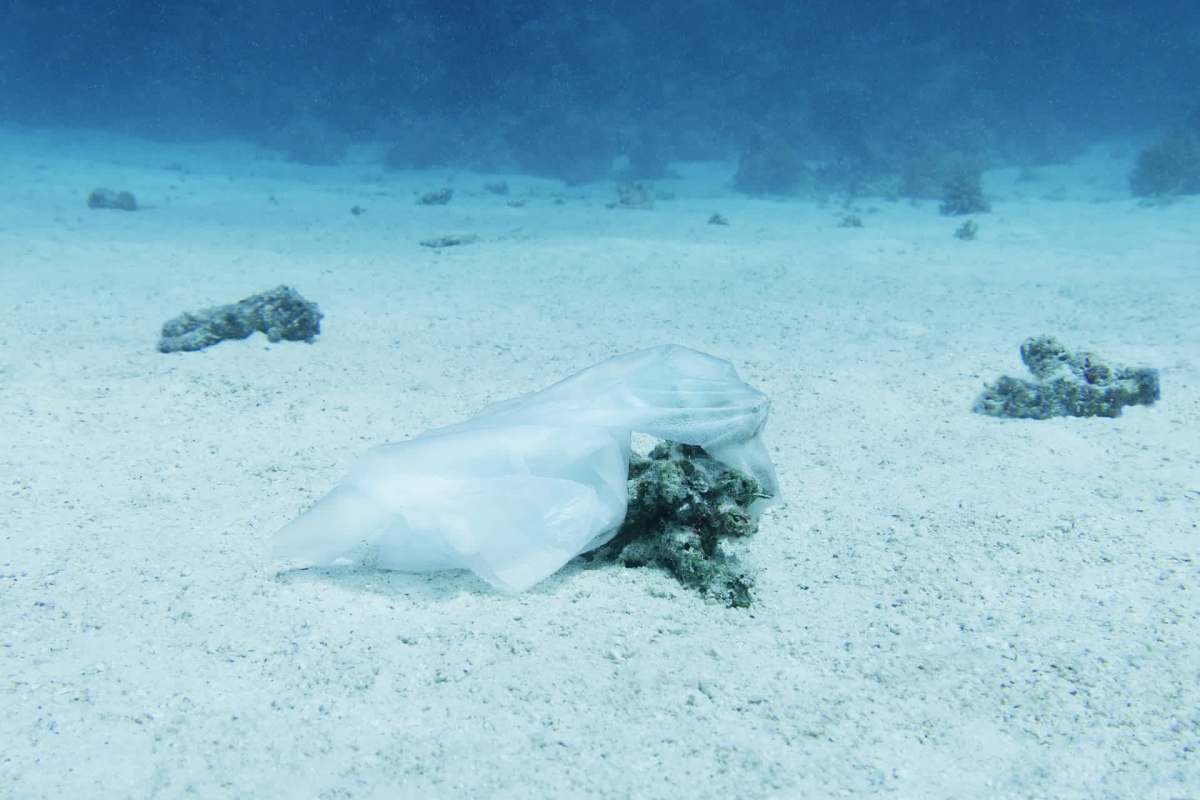
Ever had to call a plumber because your toilet wouldn't flush right? Or stared at a rising water bill and wondered where all that money's going? Turns out, wet wipes might be part of the answer — and not in a good way.
They're clogging pipes, breaking down into microplastics, and showing up in rivers across England. Now, a new government review said the companies making them should help clean up the mess. The Guardian reported that instead of customers footing the bill, the plan is to make the polluters pay. That's where things could finally start to shift.
So here's what's changing
Jon Cunliffe, once a top name at the Bank of England, wants companies that profit from disposable products to step up. Wipes, PFAS, fertilizers — they all leave a trail of damage, and right now, regular people are picking up the tab. His report asked why families should pay higher water bills when they didn't create the mess in the first place.
He also didn't hold back on regulators. His review suggested scrapping Ofwat, England's water watchdog, and building something stronger — one with rules that actually stick. Right now, water companies report their own sewage spills. That would stop. Instead, everyone would see live data with no filters.
Why this matters to you
This isn't abstract. PFAS don't just vanish — the "forever chemicals" hang around, seep into water and soil, and show up in people. Scientists have tied them to long-term health problems. And wet wipes? They clog everything: toilets, pipes, rivers. That mess doesn't clean itself.
Even people running the systems are done with it. John Penicud from Southern Water said most of the mess comes from wipes, oils, and fats going where they shouldn't.
TCD Picks » Good Store Spotlight
Get 10% off your next purchase with code TCD10
Where this could lead
If the United Kingdom takes a page from European Union proposals, wipes and chemical companies could end up footing the bill for cleanup. That might mean paying more for some products — but fewer wipes in rivers and less plastic in the food chain.
And people aren't waiting around. Along the Thames River, wipe-covered banks pushed residents to demand a ban. Spain passed one. A royal property even got rid of wipes and scented candles to cut waste. In Cyprus, a vandal dumped wipes into a lake. Locals handled the cleanup.
If you want to help
Skip plastic wipes. Use a cloth when you can. Choose versions that actually break down. And if you're tired of seeing the cost dumped on households, say something. Lawmakers notice when pressure builds on both sides — public and scientific.
Cleanup doesn't start at the river's edge. It starts with what you toss, who made it, and who's left holding the bag.
TCD Picks » Quince Spotlight
💡These best-sellers from Quince deliver affordable, sustainable luxury for all




|
Should companies be required to help recycle their own products?
Click your choice to see results and speak your mind. |
 Definitely 👍
Join our free newsletter for good news and useful tips, and don't miss this cool list of easy ways to help yourself while helping the planet.