


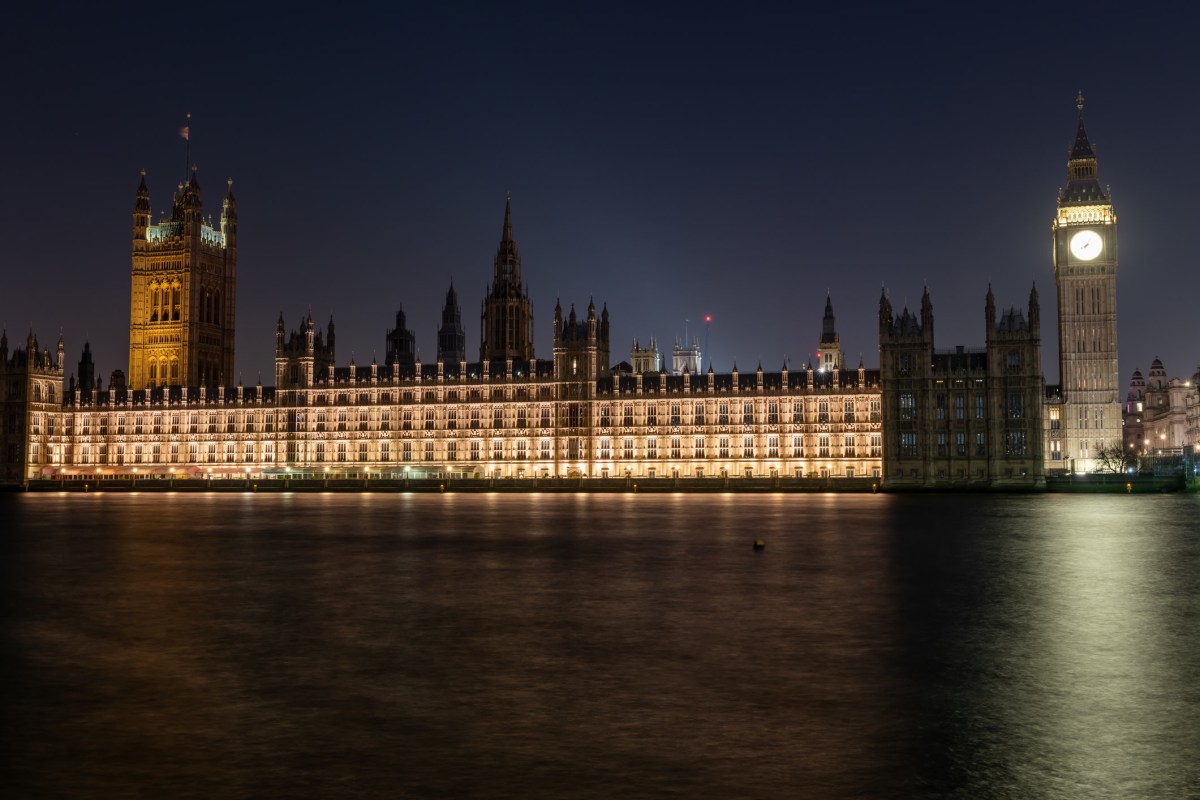
England appears ready to approve regulations governing the presence of plastic in wet wipes, a landmark move that highlighted the public health, environmental, and infrastructure problems presented by the popular personal hygiene products.
The Department of Environment, Food and Rural Affairs issued proposed regulations that would place severe restrictions on the ability of companies to sell wet wipes containing plastics directly to consumers in England, Resource Media reported.
If approved, the restrictions would broadly ban wet wipes that contain plastic fibers such as polyester and polypropylene from being sold to consumers, according to Resource Media. The makers of wet wipes would be required to use more sustainable options such as cotton and bamboo instead.
While these regulations would apply specifically to England, the governments of Scotland, Northern Ireland, and Wales have been considering similar measures.
The Welsh legislature passed its own version of the plastic-banning regulations in May, with the rules slated to take effect in December 2026.
Rather than wait for governments to act, several large retailers in the United Kingdom, including Tesco, Boots, and Aldi, have taken steps to stop selling plastic-containing wet wipes, according to Resource Media.
TCD Picks » Quince Spotlight
💡These best-sellers from Quince deliver affordable, sustainable luxury for all




The U.K. alone uses an estimated 30.5 billion wet wipes per year, leading to significant environmental and infrastructure challenges, per Resource Media.
Contrary to popular belief, wet wipes are not designed to be flushed down toilets. When they are, they wreak havoc on sewer systems ill-equipped to deal with them.
According to a report by the trade group Water UK, the United Kingdom experiences some 300,000 clogged sewers every year, costing upward of $130 million in repair costs.
As Water UK pointed out, this money wasted on preventable costs could be better spent reducing water bills or providing other services.
|
Do you think the government should ban gas-powered lawn tools? Click your choice to see results and speak your mind. |
 No way 🙅
 Examining the materials that caused these clogs, the report further found that wet wipes accounted for a staggering 93% of all materials identified. Materials designed to be flushed, including toilet paper, made up less than 1% of the blockages.
Wet wipes have exacted a heavy environmental toll as well.
Researchers from Cardiff University estimated that a particular stretch of the Taff River in Wales accumulates roughly 220 pounds of solid wet wipes every year. These wipes include 7.8 million plastic fibers, which can leach into the environment.
"Flushed wet wipes pose a significant pollution risk to river systems – from systematic impacts to impacts on water quality and introducing microplastics to our environment," said Thomas Allison, a researcher at Cardiff University's Water Research Institute.
The presence of microplastics in the environment represents a growing threat to human and environmental health.
Microplastics have been detected in the food we eat, the air we breathe, the water we drink, and our vital organs. While experts say further research is needed, the World Economic Forum has warned that microplastics are associated with a large number of health problems, increasing the likelihood of heart attack, stroke, and death.
While government bans are an important tool for reducing clogged sewers and microplastic pollution, actions can also be taken at the individual level.
If you choose to use wet wipes, selecting a brand with sustainable, natural fibers over one that relies on plastic fibers can help the environment and public health. Further, ensuring that wet wipes are properly disposed of and never flushed down the toilet can help prevent clogged sewers and polluted rivers.

Join our free newsletter for good news and useful tips, and don't miss this cool list of easy ways to help yourself while helping the planet.






