


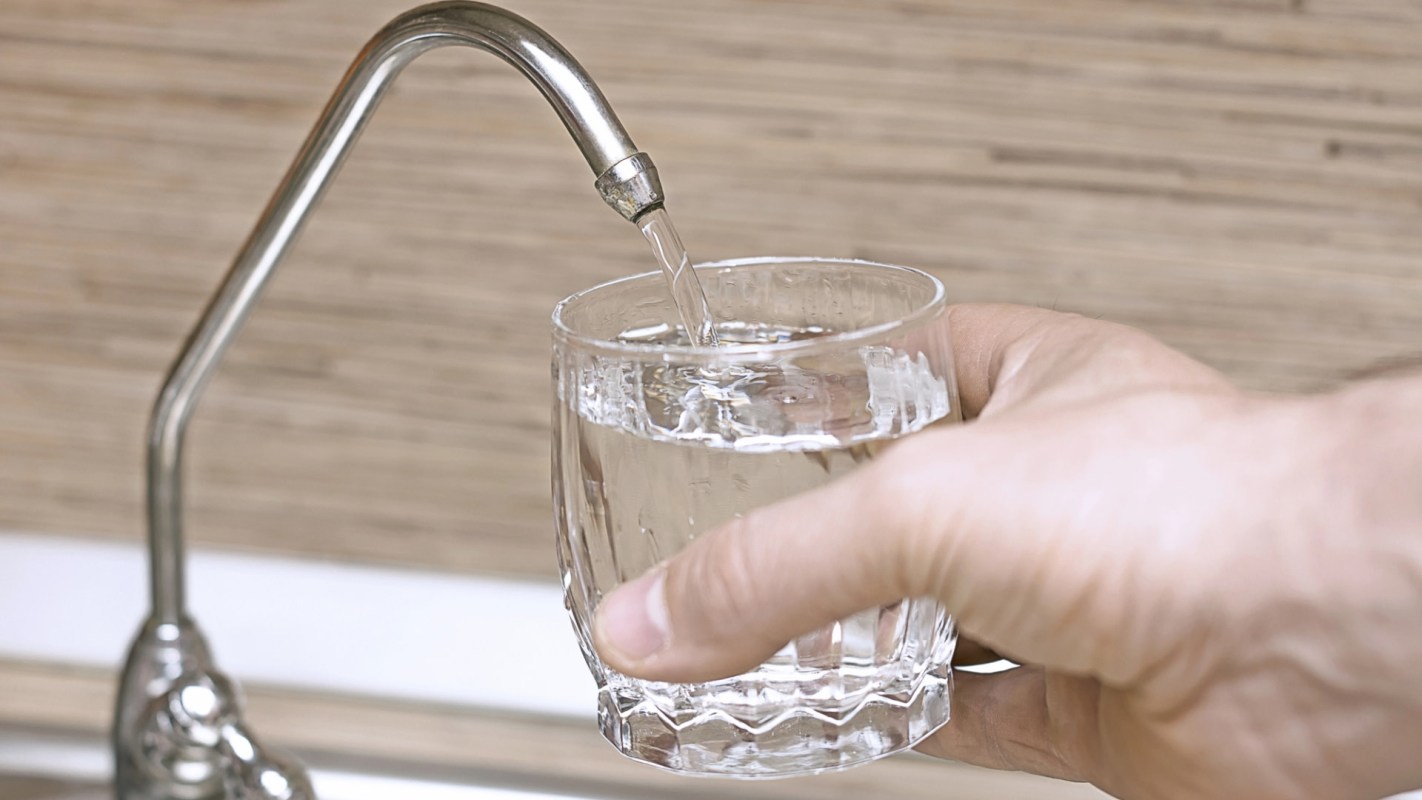
A researcher at Radboud University has developed a new system to filter water for drinking that reduces the amount of methane released during the process by 50%.
As part of his Ph.D. thesis, microbiologist Alje Boersma explored methods of improving the water filtering system currently employed in the Netherlands due to the increased pressure on the system as demand for drinking water increases, according to a report shared by Phys.org.
"Most drinking water is purified by sand: water is passed through a sand filter—a large tank filled with 2.5 meters of sand—where all kinds of microbiological and chemical processes clean the sand. We have been using this system for 100 years, but we don't really know why it works," Boersma explained.
Sand filtration has the potential to help developing nations improve their access to clean drinking water. However, a side effect of this process is the release of methane into the atmosphere.
The Netherlands sources 70% of its drinking water from groundwater, which needs to be treated and filtered to make it safe for consumption.
That can add up to a large amount of methane, which is a planet-warming gas that has an environmental impact 28 times greater than carbon dioxide over a period of 100 years.
TCD Picks » Quince Spotlight
💡These best-sellers from Quince deliver affordable, sustainable luxury for all




Part of Boersma's new process involves running the water through copper pipes to assist bacteria in removing manganese, which can ultimately lead to longer-lasting and more efficient filters.
Existing filtration systems pump large amounts of air into the water to help methane evaporate, but that releases large amounts of the gas into the air.
Instead, the researcher experimented with a closed dry filter, where water is sprayed into large steel cylinders filled with sand. Bacteria consume much of the methane and convert it into carbon, which is still harmful but less damaging to the atmosphere.
"We saw that 50% of the methane was removed biologically, which reduced greenhouse gas emissions by 50%. That's a huge difference," Boersma said.
|
How often do you worry about the quality of your drinking water? Click your choice to see results and speak your mind. |
 Never 👎
 Approximately 50-65% of the world's methane pollution comes from human activities, including agriculture, energy production, industrial processes, landfills, and wastewater management.
Methods of reducing that planet-heating pollution are essential in reducing global temperature increases and the resulting effects on the climate, such as extreme weather and drought.
By improving the water filtering process, we can help reduce pollution and provide clean drinking water to the estimated 4.4 billion people across the world who lack access to it.

Join our free newsletter for weekly updates on the latest innovations improving our lives and shaping our future, and don't miss this cool list of easy ways to help yourself while helping the planet.






