


Extremely wet weather has resulted in a shortage of oranges across Vietnam, causing prices to go up and farmers to scramble to make ends meet.
What's happening?
In Vietnam's largest province of Nghe An, many orange growers harvested less than half of their standard orange crop this year, Bao Nghe An reported.
The lower yields are due to prolonged heavy rains throughout the region. Some orchard owners said they had more than 100 orange trees flooded, while others said the rains caused more than 60% of their oranges to fall off trees.
The shortage caused the per-pound price of oranges to increase by at least 20% and has affected where and when growers are able to sell their fruit.
"Because this year's yield is low, my family sells retail to customers right in the garden," one local orchard owner, Le Thi Huong, told Bao Nghe An. "In previous years, the yield was high, so we sold to traders everywhere."
Even with the higher prices, orange growers said, the lower yields mean they will make less money than last year.
Perk up the winter blues with natural, hemp-derived gummies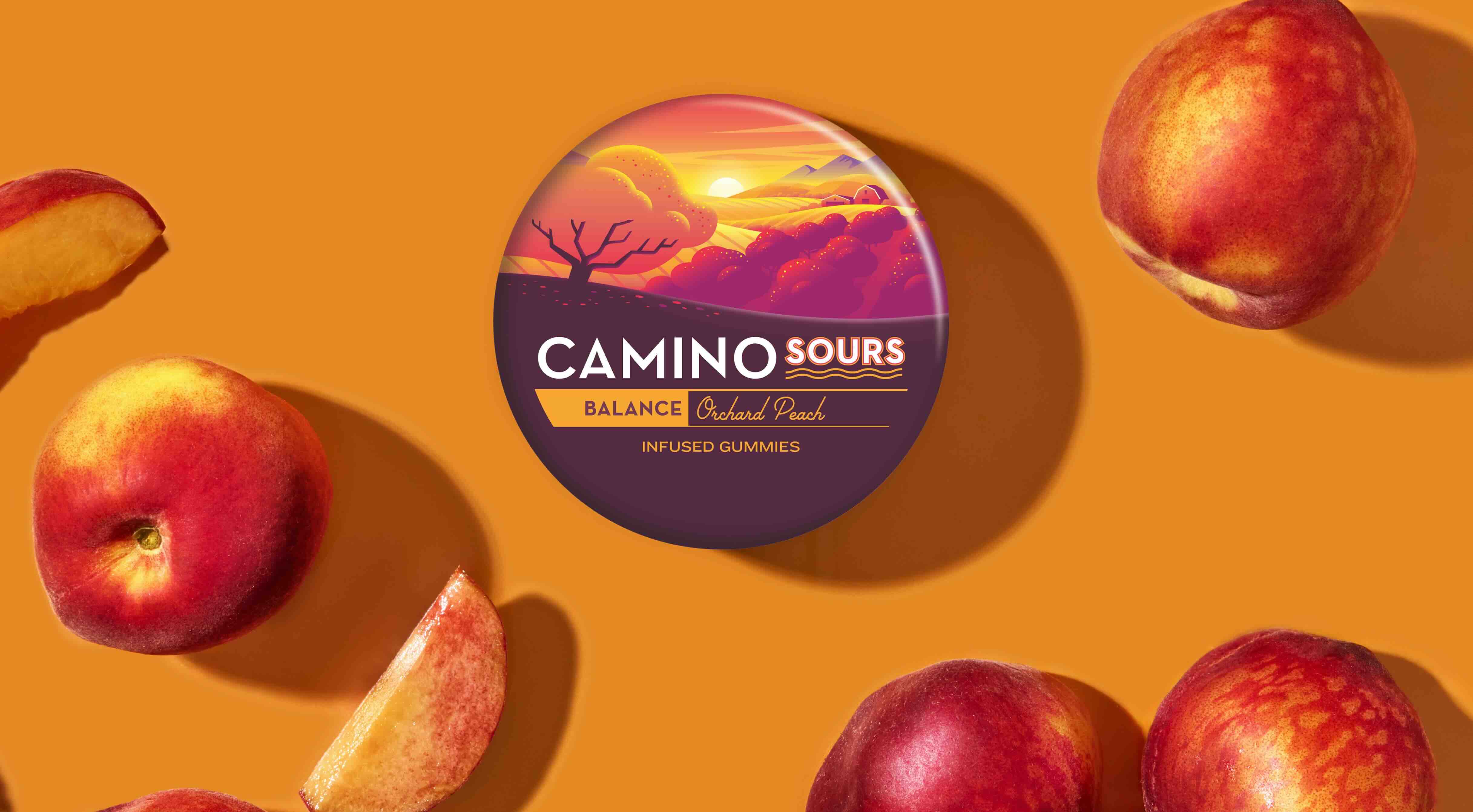 Camino's hemp-derived gummies naturally support balance and recovery without disrupting your routine, so you can enjoy reliable, consistent dosing without guesswork or habit-forming ingredients. Flavors like sparkling pear for social events and tropical-burst for recovery deliver a sophisticated, elevated taste experience — and orchard peach for balance offers everyday support for managing stress while staying clear-headed and elevated.
Learn more → |

Why is this concerning?
Every year, part of the crop yield fails because of weather, pests, or disease. But this year's loss was especially steep because of a consecutive string of storms and prolonged rain.
Much of Southeast Asia has been pummelled by heavy rains this year, with many devastating impacts. In late November, flash floods and landslides resulted in at least 91 deaths and total damages of roughly $500 million. Three typhoons have also hit the area in the past three months, bringing more rain and winds of up to 130 miles per hour.
Sadly, as humans continue to pollute the planet, these types of storms are likely to happen more frequently.
The heat-trapping pollution released by burning dirty fuels has caused global temperatures to reach record-breaking levels. These increases also act like "steroids" for a number of extreme-weather events, including floods.
TCD Picks » Upway Spotlight
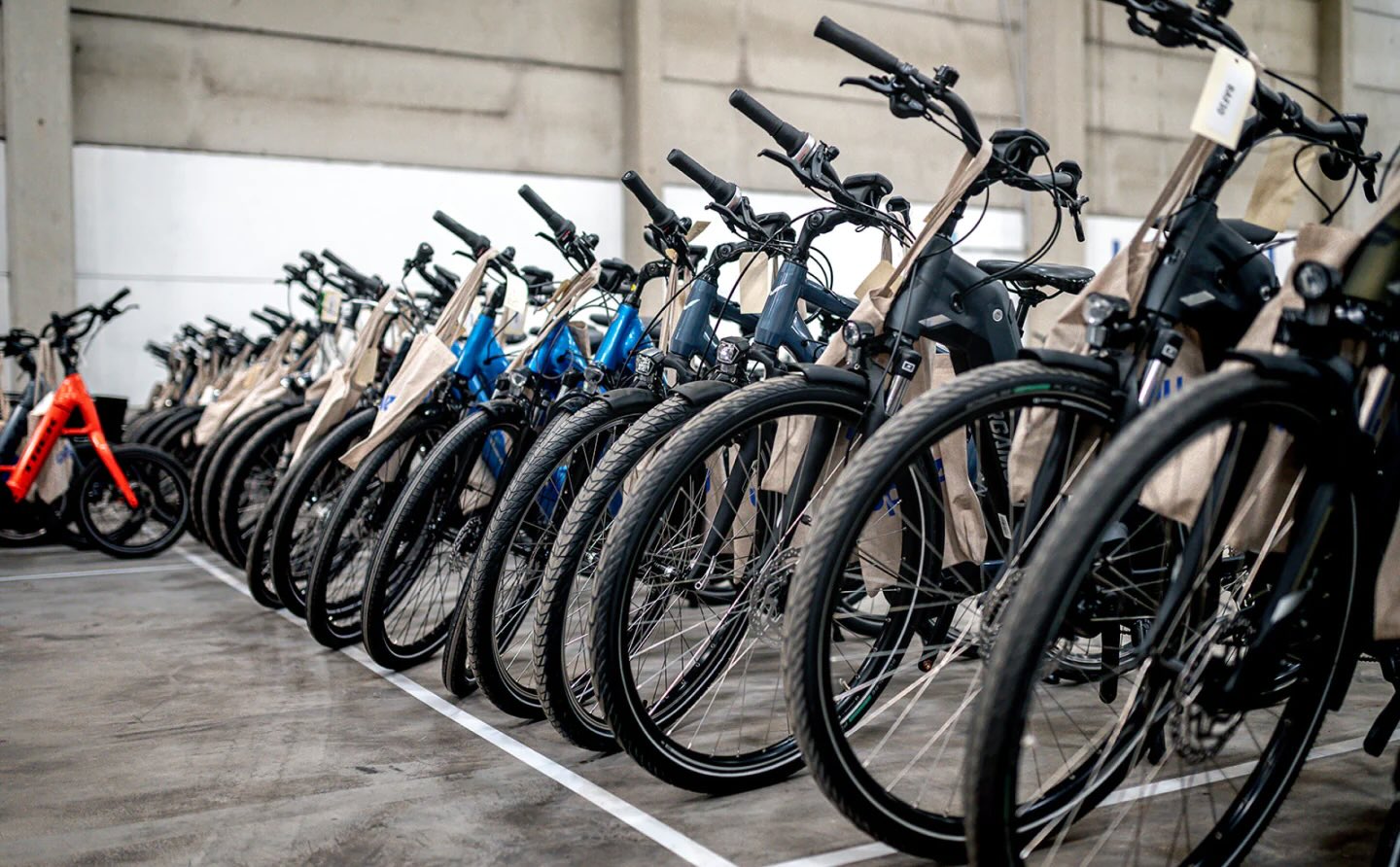
💡Upway makes it easy to find discounts of up to 60% on premium e-bike brands




|
What is the biggest reason you don't grow food at home? Click your choice to see results and speak your mind. |
 Not enough time ⏳
 These increases have also caused global sea levels to rise, putting more people at risk of flooding and threatening to eventually wipe out entire coastal communities.
What's being done about this?
The American Red Cross offers flood-preparation checklists that include helpful tips on how to stay safe before, during, and after such an event. And just with any natural disaster, preparedness can mean the difference between life and death.
For farmers who view severe weather as a potential threat to their livelihood, good news may be around the corner. Research teams around the world have worked to develop various crops that are resistant to extreme weather, including flooding, which could be a game-changer for the future of farming.

Get TCD's free newsletters for easy tips to save more, waste less, and make smarter choices — and earn up to $5,000 toward clean upgrades in TCD's exclusive Rewards Club.
Cool Picks




