


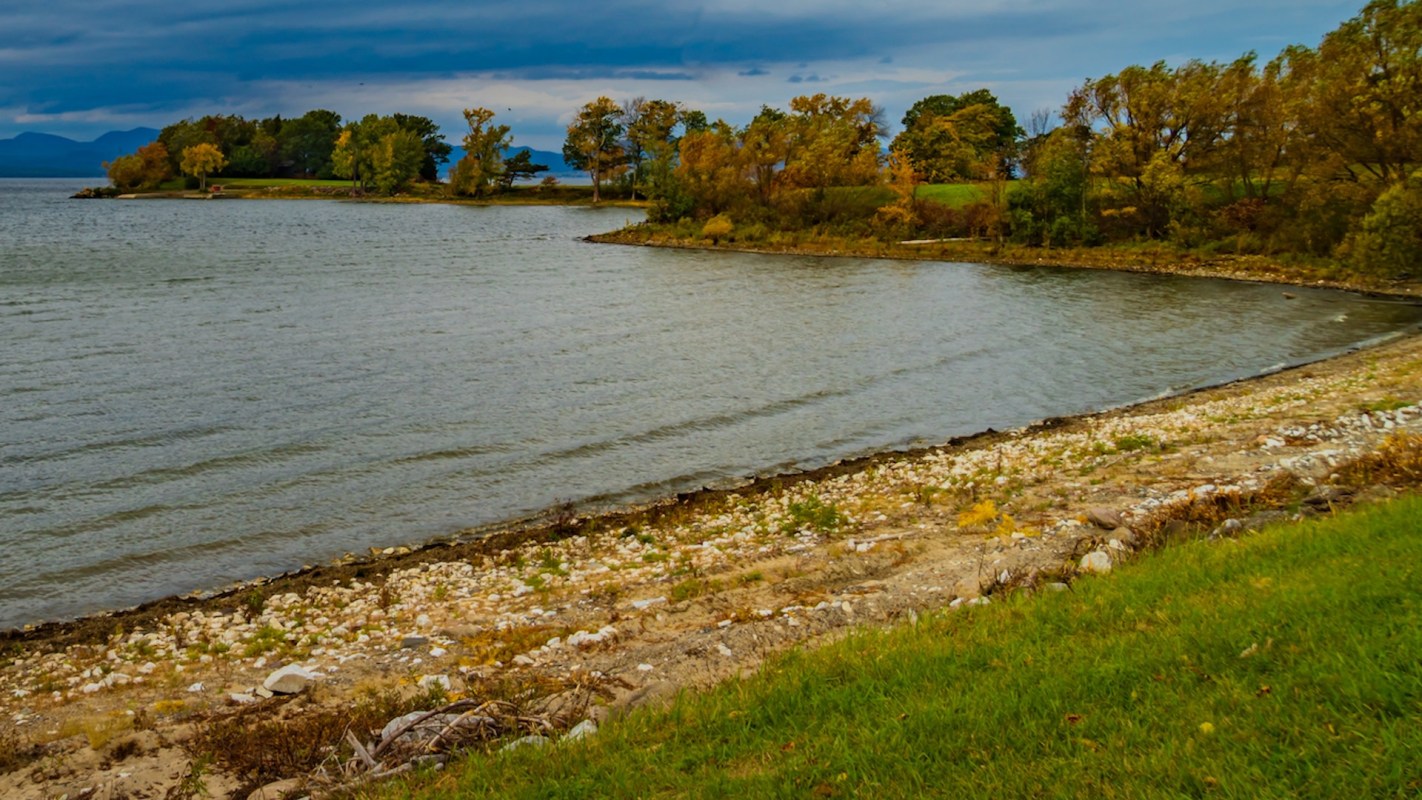
As summer wraps up and the weather remains sunny and beautiful, Vermont is facing a historic drought. Officials recently reissued a state of emergency as water levels plunged to their lowest point in nearly a century.
What's happening?
According to WCAX, reservoirs and rivers are at their lowest points since 1934, following a prolonged drought and weeks of above-average heat: "After a rainy start to the summer, things have taken a turn."
Local authorities warn that dwindling water supplies could strain households, agriculture, and fire safety. Vermont State Climatologist Lesley-Ann Dupigny-Giroux explained that short droughts are common in summer but that the current situation is more dire. Since last year, the state has been slowly falling into a long-term drought.
"Lake Champlain is actually getting down to levels that we haven't seen since 1934... So that alone tells you the extent and severity and the intensity of the drought conditions that we're seeing right now," Dupigny-Giroux said.
Why are water levels important?
Lake Champlain is a lifeline for Vermont, supporting drinking water, recreation, fishing, and a thriving tourism economy. Countless types of fish, birds, and plants depend on stable levels to survive.
When the lake water levels drop, it's bad for the ecosystems and disruptive to recreation. Boat access can be limited, wetlands can dry out, and aquatic habitats are thrown off balance. Lower water levels also concentrate pollutants, making water quality worse and increasing the risk of harmful algae blooms that threaten both wildlife and human health.
Perk up the winter blues with natural, hemp-derived gummies Camino's hemp-derived gummies naturally support balance and recovery without disrupting your routine, so you can enjoy reliable, consistent dosing without guesswork or habit-forming ingredients. Flavors like sparkling pear for social events and tropical-burst for recovery deliver a sophisticated, elevated taste experience — and orchard peach for balance offers everyday support for managing stress while staying clear-headed and elevated.
Learn more → |

"This is huge because this is hydrologic drought. This is your water supplies, your water resources. And this type of drought, water resources type of drought, takes the longest to be observed, which tells you exactly that this didn't occur recently," Dupigny-Giroux said.
While dry spells have always occurred, rising global temperatures and shifting weather patterns are making droughts like this more common.
Low water supplies don't just impact farmers and homeowners — they also increase the chance of wildfires, harm aquatic habitats, and put drinking water reserves at risk. If these trends continue, Vermont could see more frequent agricultural losses, higher food prices, and greater vulnerability to extreme weather events.
Similar stories have played out across the U.S., from the Potomac River declining to lakes in California reaching historic lows.
TCD Picks » Upway Spotlight
💡Upway makes it easy to find discounts of up to 60% on premium e-bike brands



|
Do you take steps to conserve water at home? Click your choice to see results and speak your mind. |
 All the time 😎
 What's being done about Vermont's drought?
Scientists say that an additional 5-7 inches of rain per month would rectify the situation. "Replenishing all the various levels of your soil, getting into your lower levels, getting into your groundwater, recharging the aquifers, recharging the lakes, the ponds, and the streams."
Vermont scientists are still in the research stage to gain an understanding of the full picture. WCAX called out for help to "get a grasp on this situation by sending in pictures of water levels or even just observations in certain areas."
On a larger scale, Vermont joins many states in the U.S. in ramping up efforts to protect its water resources by funding watershed restoration projects, limiting toxic pollutants, and supporting scientists in their monitoring of the situation.
"The Watershed Planning Program works closely with partners across Vermont to coordinate surface water improvement," the Department of Environmental Conservation stated.
Monitoring and research initiatives not only safeguard these waterways but also help communities stay informed, offering tangible paths forward even as droughts and other extreme weather events become more common.

Join our free newsletter for good news and useful tips, and don't miss this cool list of easy ways to help yourself while helping the planet.
Cool Picks






