


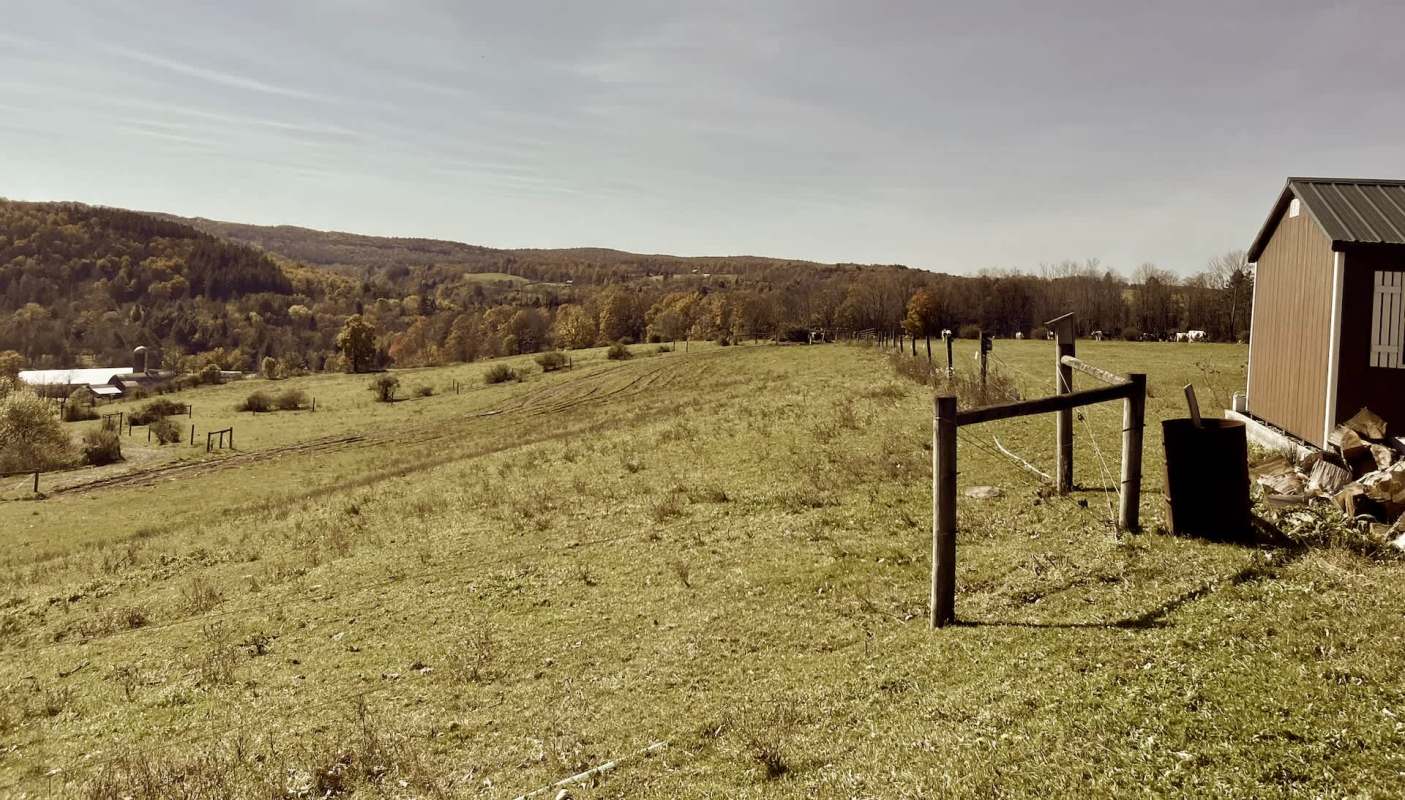
Drought has hit Vermont's farms hard, leaving pastures brittle and cornfields stunted. After a summer of bone-dry heat, farmers say they're struggling to feed their animals and keep costs from spiraling.
What's happening?
Addison County farmers told WCAX that the region's unusually dry summer has been devastating for crops and livestock.
"It felt like if you dropped a match at one end of the farm, it was going to burn across, it was so dry," Brian Kemp of Mountain Meadows Farm said.
Despite a brief burst of rain, Kemp's pastures remain cracked and parched. Corn that should stand eight to 10 feet tall is only reaching three to four feet, and some fields are barely a foot high.
Some farms have even seen wells run dry, forcing them to truck in water.
"With the whole state being dry, there's not going to be a lot of an abundance of feed for sale this year. It's a little concerning," Kemp told WCAX.
Why is this drought concerning?
While weather has always been unpredictable, scientists agree that human-driven warming is making extreme conditions like floods, droughts, and wildfires more intense and frequent. Just two years ago, Vermont farms were underwater during historic flooding. Now, they're facing the opposite extreme.
It's not just Vermont; this is an issue being reflected globally. According to Reuters, British farmers recently faced their driest spring and summer in 100 years, leaving cows without grazing fields.
The Global Water Monitor's report warned in February that 2025 could bring worsening droughts in North and South America, Africa, Central Asia, and Australia following an already difficult year for water resources worldwide.
What's being done about this?
Farmers are adapting as best they can by storing water, adjusting crop choices, and leaning on community support networks. On the research side, some groups are using satellite and ground data to track rainfall and soil moisture in real time, giving communities early warning when conditions are trending toward drought.
TCD Picks » Quince Spotlight
💡These best-sellers from Quince deliver affordable, sustainable luxury for all




|
What supplies do you keep on hand in case of a blackout? Click your choice to see results and speak your mind. |
 Just a flashlight 🔦
 At the individual level, small shifts also matter. Eating more locally grown food and supporting farmers' markets keeps money in regional food systems and builds resilience against supply shocks.
Of course, the best way to act on these challenges is to remain informed about the critical climate issues our world is facing.

Join our free newsletter for good news and useful tips, and don't miss this cool list of easy ways to help yourself while helping the planet.
Cool Picks






