


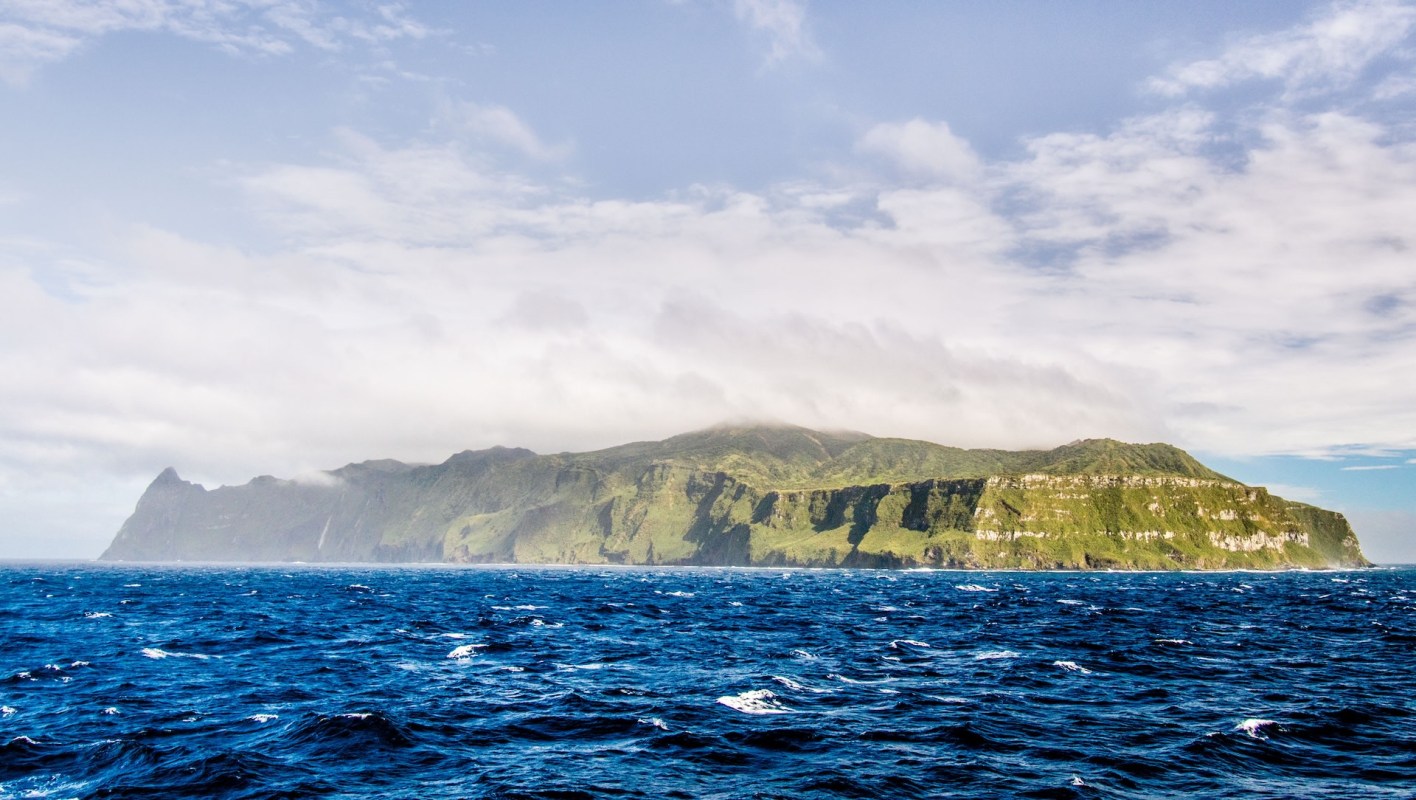
Residents of Tristan da Cunha, one of the most remote inhabited islands in the world, depend entirely on the catching of the St. Paul spiny lobster. However, according to the BBC, because of overfishing and changes to the climate, the just more than 200 people have concerns about whether that lifeline will hold.
To help remedy possible issues, the island found a way to safeguard, as best it could, the vast ocean habitat surrounding it by creating a marine protected zone.
Considering the island's area of around 38 square miles and the vast sea around it, fishing was one of the few options for people to have enough to eat in its early days of settlement. Commercial fishing arrived in the 1940s, and since then, the spiny lobster has been the area's main export.
But the lobsters, once abundant, were quickly depleted by unregulated trapping. In 1983, the Island Council established size limits for captured spiny lobsters, with a quota implemented in 1991. Following the introduction of 62 invasive species to the waters and a ship running aground and spilling 65,000 tonnes of fuel and soybeans, the council became even more serious about protecting the marine environment and its livelihood.
By 2019, it had drawn up and adopted a design for an MPZ covering 265,252 square miles, closing 91% of the sea to fishing. However, it allowed commercial lobster fishing to continue by designating an inshore fishing zone specifically for that.
The MPZ is about more than just protecting the island's economy, though. Spiny lobsters are a vital part of the ocean's ecosystem, as they help sustain and maintain underwater kelp forests that are home to several species of marine life. These lobsters are also an important part of the food chain; they scavenge for organic matter and recycle nutrients, keeping the ecosystem in balance while acting as prey for larger species.
Considering that rising sea temperatures may soon have significant consequences for the lobsters' marine environment, this species could be forced to migrate south, leaving Tristan da Cunha high and dry. Protecting them and as much of their environment as possible benefits humans and animals alike.
As resident Cheseldon Lavarello explained to the BBC, "Tristan's ocean is something we must look after. Because, without it, we're gone."
|
Should we be harnessing the ocean to power our homes? Click your choice to see results and speak your mind. |
 Absolutely 👍
Join our free newsletter for good news and useful tips, and don't miss this cool list of easy ways to help yourself while helping the planet.
Cool Picks






