


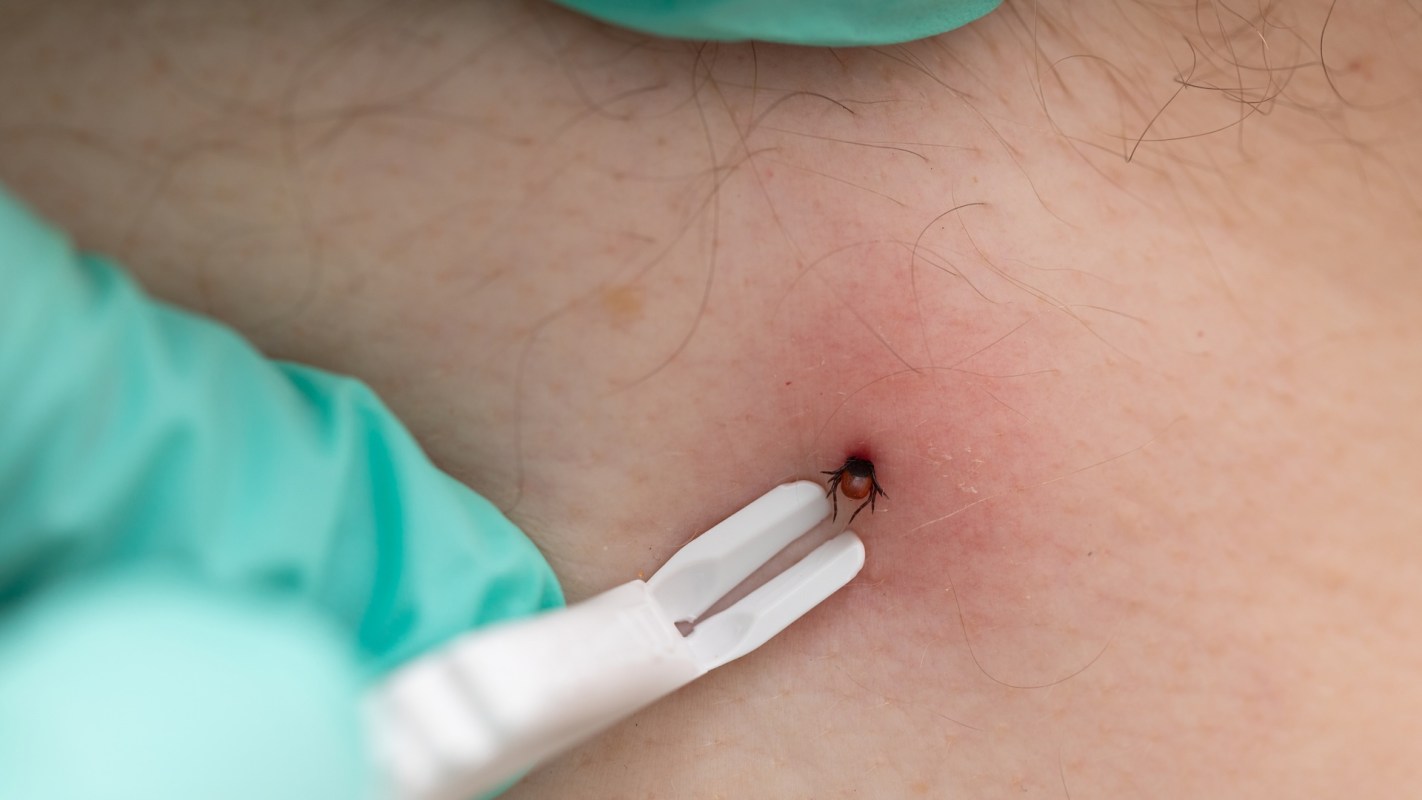
Tick season is officially here, and there are now growing worries that this year could be the worst in nearly a decade.
What's happening?
Centers for Disease Control and Prevention data indicate that tick bites are contributing to the highest number of emergency room visits on a weekly basis since tracking began in 2017, as ABC News reported.
The number of a recent week, 71 per 100,000 visits attributed to tick bites, easily surpassed the typical average of around 30. The increase is particularly notable in the Northeastern states.
"We're running well above historic average and even well above last year," Dr. John J. Halperin, chair of the New Jersey Stroke Care Advisory Panel, told ABC News.
Halperin suggested that increased awareness could be driving more proactive behavior. Still, the earlier start to the season was undeniable, as was the prevalence of the bugs.
"Spring and early summer are prime time for getting bitten by the locally youngest form of ticks, which are the main ones who get us humans," Halperin said. "So, seeing a lot of them certainly means an increased risk."
TCD Picks » Quince Spotlight
💡These best-sellers from Quince deliver affordable, sustainable luxury for all




Why is the increase in tick bites concerning?
Lyme disease is a tick-borne disease on the rise nationally, with hot spots emerging in Ohio and in West Virginia. Per Halperin, some of that may be the CDC lowering the threshold for what is a confirmed case, but that doesn't explain everything.
There's a lot of evidence that the changing climate is aiding the tick population through an earlier onset of warm weather and higher temperatures in the fall. That could especially be true in the Northeast.
Dr. Christopher Bazzoli, an emergency medicine physician at the Cleveland Clinic, told ABC News that this could result in both an earlier and a longer-lasting tick season.
"Ticks tend to become active when the temp reaches 45 degrees or more," he said. "If [temperatures] stay higher into the fall, we could also see a longer tick season."
|
Which of these savings plans for rooftop solar panels would be most appealing for you?
Click your choice to see results and earn rewards to spend on home upgrades. |
 Save $1,000 this year 💸
 As the country deals with abnormally high temperatures, the possibility of longer bouts of tick-friendly warm, wet weather is growing.
What's being done about the rise of ticks?
The CDC recommends staying to the center of hiking paths, avoiding grassy and brushy areas, and conducting regular tick checks. They also advise using Environmental Protection Agency-registered insect repellents and treating clothes with insecticides and repellents.
When you're going out, Halperin suggests that knowing what you're dealing with is critical to mitigating risks. That includes narrowing in on field mice, where ticks pick up Lyme disease.
"The thing to appreciate is these ticks have a strongly preferred habitat," Halperin concluded, per ABC News. "The first thing you could do is stay away from areas where there might be field mice and ticks."

Get TCD's free newsletters for easy tips, smart advice, and a chance to earn $5,000 toward home upgrades. To see more stories like this one, change your Google preferences here.







