


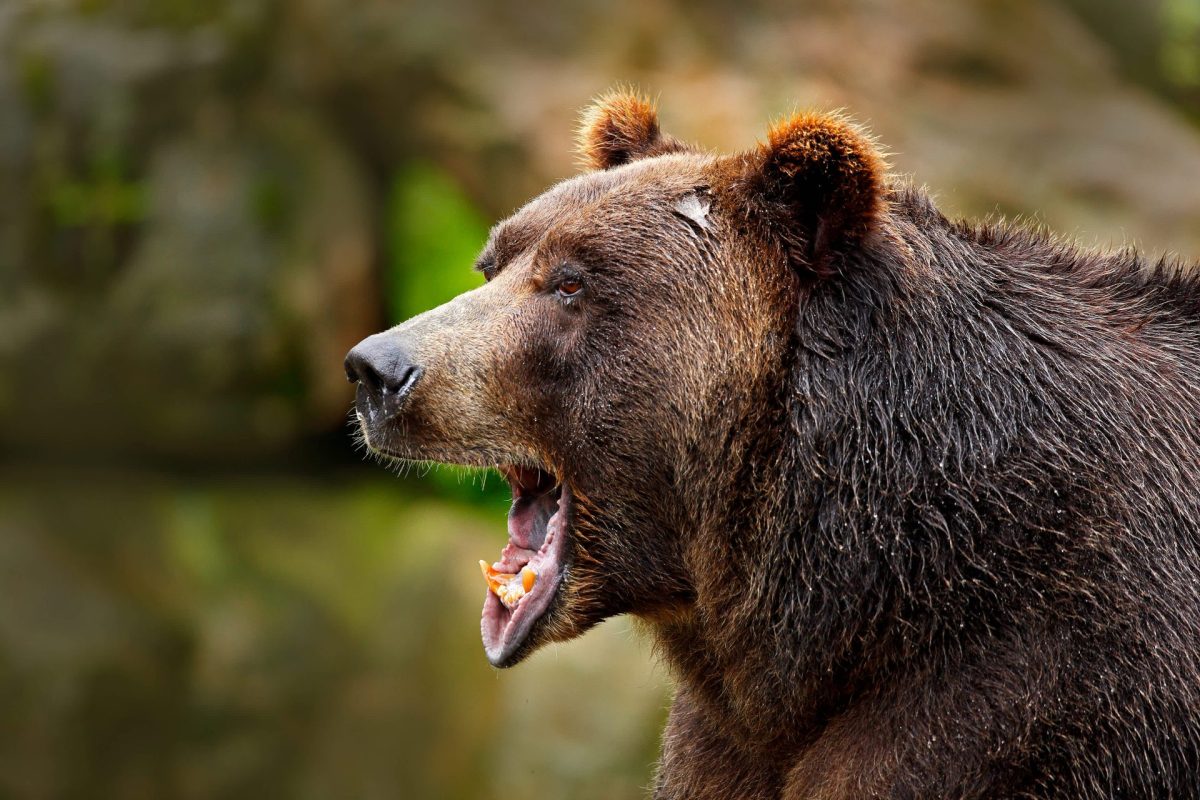
A 72-year-old Arkansas man is in hospice care after a rare and violent encounter with a black bear earlier this month, according to USA Today.
What happened?
Vernon Patton was riding a tractor along a gravel road near Mulberry Mountain in Franklin County on Sept. 3 when a yearling male black bear, weighing about 70 pounds, attacked him, according to the Arkansas Game and Fish Commission (AGFC).
Patton suffered "severe cuts and puncture wounds to his head and arms" before his son intervened by throwing rocks at the animal. Wildlife officers later shot and killed the bear, which tested negative for rabies and distemper.
The mauling is the first reported bear attack in Arkansas in 25 years, AGFC officials said, underscoring just how uncommon such incidents remain. Patton's injuries were described by family members as "extensive and ultimately not survivable," and he was transferred to a hospice facility closer to his home in Ozark on Sept. 11.
Why is this encounter concerning?
Experts say bear attacks are rare, but interactions between people and wildlife are becoming more frequent. Expanding human populations, habitat loss, and resource shortages can push animals closer to farms, roads, and residential areas in search of food or territory.
As warming temperatures and more erratic weather disrupt ecosystems, animals may be forced to roam farther or behave unpredictably, increasing the odds of dangerous encounters.
Protecting natural habitats doesn't just safeguard biodiversity — it also protects people by reducing the overlap between humans and wild animals.
What's being done about it?
State wildlife officials remind residents to secure trash, avoid feeding wildlife, and report aggressive animals to reduce conflicts.
On a broader scale, conservation projects that preserve forest corridors and restore native ecosystems can give animals the space they need to survive without venturing into human communities.
There are several efforts making a difference, including rewilding projects that restore wildlife habitats and local programs encouraging coexistence with bears and other species.
TCD Picks » Quince Spotlight
💡These best-sellers from Quince deliver affordable, sustainable luxury for all




Supporting these initiatives — from planting native trees to backing policies that protect wild spaces — helps keep both people and animals safer in a changing world.
|
Do you think America does a good job of protecting its natural beauty? Click your choice to see results and speak your mind. |
 Definitely 👍
Join our free newsletter for good news and useful tips, and don't miss this cool list of easy ways to help yourself while helping the planet.
Cool Picks




