


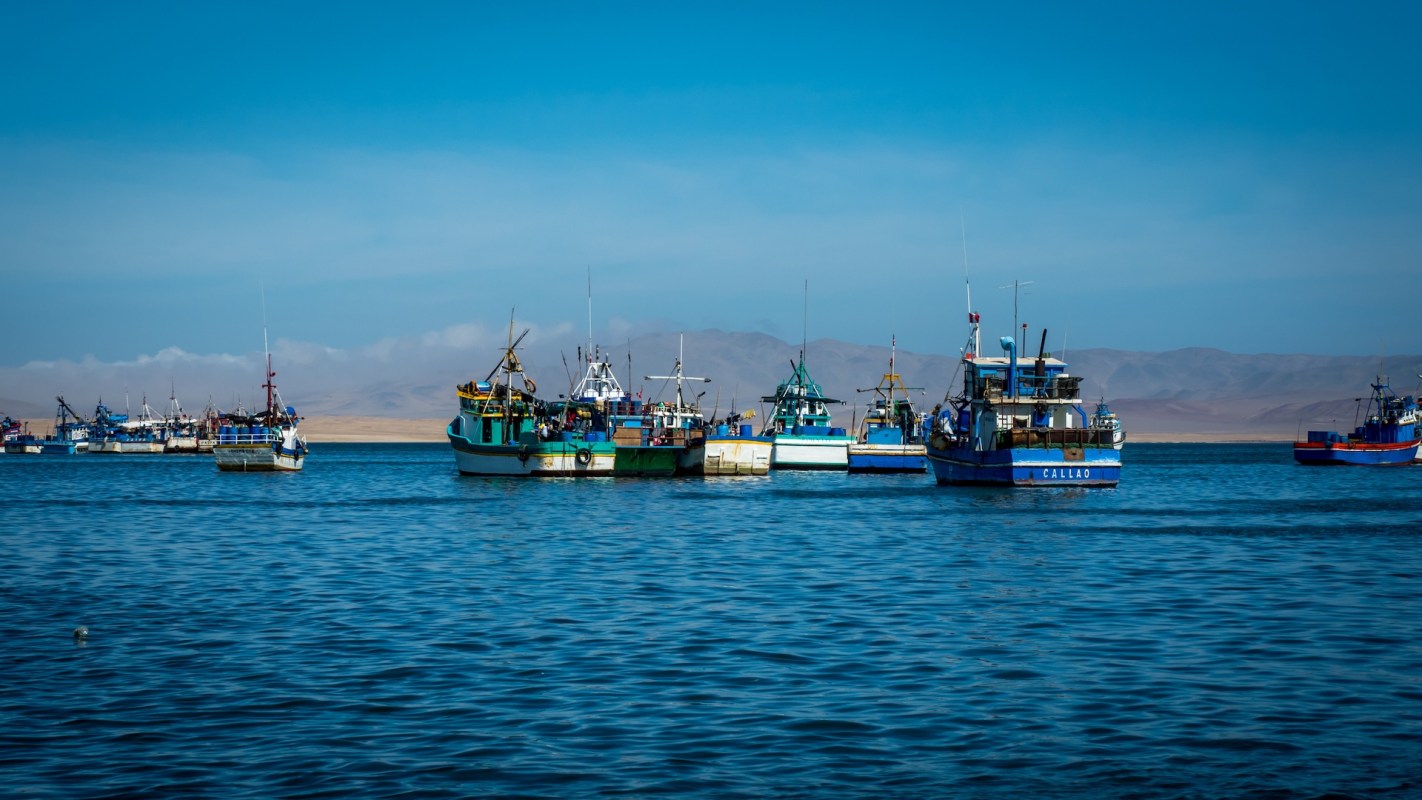
One country is enacting a bold measure to protect the long-term future of one of its most popular marine species.
As We Are Aquaculture reported, Peru's Ministry of Production, also known as Produce, has implemented a nationwide ban on the jumbo flying squid fishery from October 26 to November 25. The move aims to protect the species during its critical reproductive season. The ban prohibits all extraction, transport, processing, commercialization, and storage of the squid during the monthlong period.
"We are reaffirming our commitment to artisanal jumbo flying squid fishermen. All decisions made are based on technical and scientific criteria that guarantee the sustainability of the resource and the continuity of work for thousands of families on the Peruvian coast," said Vice Minister of Fisheries and Aquaculture Jesús Barrientos.
"The Ministry of Production will continue to promote responsible management of jumbo flying squid, using a participatory and adaptive approach that combines science, dialogue, and sustainability," added Barrientos. "This is the way to ensure that artisanal fishing continues to be an engine of national development."
The ban is based on scientific reports from the Peruvian Sea Institute suggesting that measures need to be implemented to protect the species' reproductive process. The temporary ban could greatly enhance the long-term sustainability of the jumbo flying squid fishery, Peru's second largest and crucial to the country's economy.
Temporary fishing bans can allow regional fish populations to recover and reproduce, helping protect biodiversity and maintain the balance of marine ecosystems. By halting widespread fishing operations, these bans protect reproductive periods, supporting the sustainability of both fish stocks and the communities that depend on them.
Despite the Peruvian government's goal to secure the jumbo flying squid fishery, local fishermen's groups objected to total closures. While negotiating with Produce on the best course of action, artisanal fishermen in Peru fought to preserve families' rights to continue fishing operations during the temporary ban.
"We do not agree with quotas or closed seasons. What we want to establish here is a cap, so that each vessel reaches a maximum tonnage, but that this cap is well controlled so that everyone can have work," said Justo Bancayán, a fisherman from Paita, Piura.
|
Do you think the government should ban gas-powered lawn tools? Click your choice to see results and speak your mind. |
 No way 🙅
Join our free newsletter for good news and useful tips, and don't miss this cool list of easy ways to help yourself while helping the planet.
Cool Picks






