


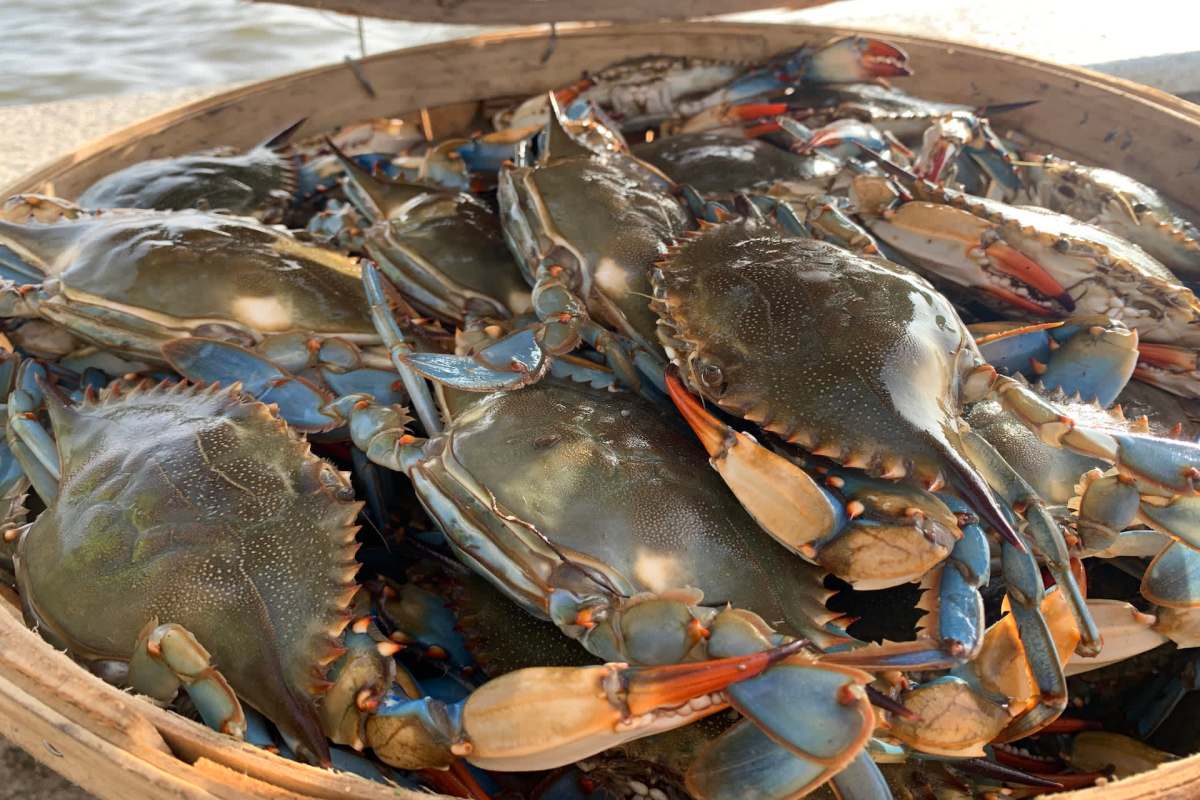
Officials in Western Australia remain committed to the importance of a seasonal ban that protects one of the most important marine species in the region.
As reported by Mandurah Times, the yearly three-month blue swimmer crab ban began on September 1 for many key fisheries around the Western Australia coast. The conservation effort is an attempt to safeguard the crab species' spawning season.
Bianca Brooks, principal fisheries management officer with the Department of Primary Industry and Regional Development, explained that the fishing ban can play a pivotal role in protecting blue swimmer crab breeding populations.
"Blue swimmer crabs are extremely popular in WA and our research shows the importance of protecting breeding stock at the resource level to safeguard sustainability," Brooks said, per Mandurah Times.
As noted by the DPIRD, the crabbing closure area will span an area of about 150 miles along the coast of Western Australia.
"These closed areas cover all waters, rivers, and estuaries in the area, including Cockburn Sound," added Brooks.
TCD Picks » Quince Spotlight
💡These best-sellers from Quince deliver affordable, sustainable luxury for all




Blue swimmer crabs are a crucial component of Australia's fishing industry, supporting both significant commercial and recreational fisheries, particularly in Western Australia. Not only do the crabs contribute significantly to the economy, but they also aid in nutrient cycling and maintaining food web health in the marine ecosystem.
Despite their goal to protect marine ecosystems, fishing bans can impact the fishing industry by causing job losses, reducing income, and disrupting markets.
At the same time, the overall effectiveness of a fishing ban can also heavily rely on effective fishery management and adequate resources for enforcement. Without the proper steps, fishing bans can potentially increase the occurrence of illegal fishing operations that pose an ever greater threat.
Despite potential short-term economic losses for fishing operations, the blue swimmer crab ban can ensure a more stable population in the long term for future generations to come.
"This spawning period is an important time in the blue swimmer crab breeding cycle, so the closure will help drive better recruitment and protect the smaller crabs," Brooks said, according to Mandurah Times.
|
Do you think America does a good job of protecting its natural beauty? Click your choice to see results and speak your mind. |
 Definitely 👍
Join our free newsletter for good news and useful tips, and don't miss this cool list of easy ways to help yourself while helping the planet.







