


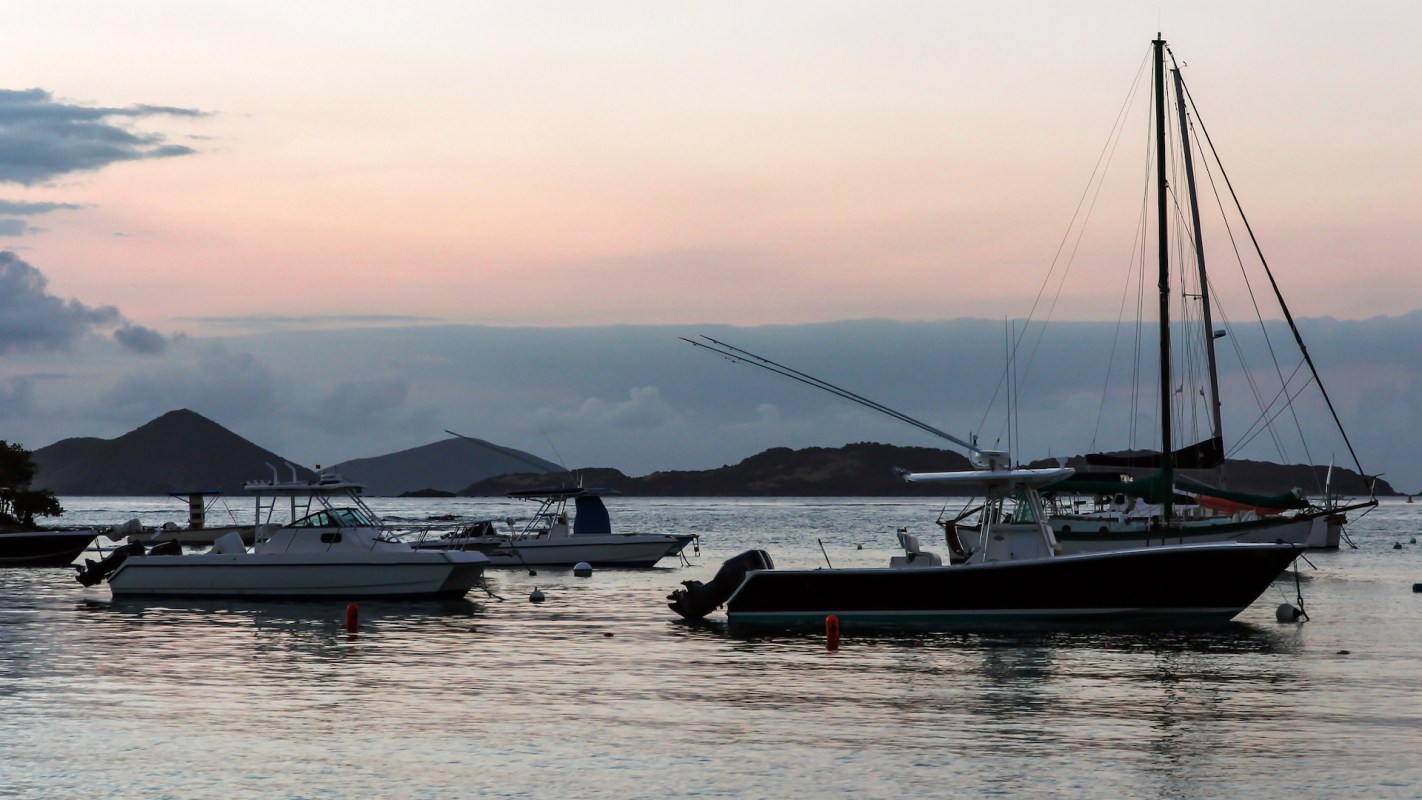
The U.S. Virgin Islands have enacted an annual fishing ban in the hopes of protecting some of the region's most valuable marine species.
In a press release, the territory's Department of Planning and Natural Resources announced that October kicked off the annual three-month fishing ban on four separate species of snapper. This includes the Black Snapper, Silk Snapper, Blackfin Snapper, and Vermillion Snapper.
According to the DPNR, the ban is in full effect in federal waters that surround the U.S. Virgin Islands, as well as the territorial waters of the St. Thomas and St. John district. The fishing ban will run through Dec. 31.
"These seasonal restrictions are critical for protecting fish populations during their reproductive periods, helping to ensure the long-term sustainability of Virgin Islands fisheries," the release read.
In a 2017 study, a team of researchers noted that snapper populations had already experienced significant declines in the U.S. Virgin Islands for years. This is primarily due to overfishing and habitat degradation. The threat of unregulated fishing has been attributed to the shrinking snapper population.
Many species of snappers are particularly vulnerable to overfishing because they grow slowly, mature late, and are targeted during spawning season when they are most vulnerable. This makes the need for fishing bans a priority for many island communities that rely on thriving fishing industries.
TCD Picks » Quince Spotlight
💡These best-sellers from Quince deliver affordable, sustainable luxury for all




However, while bans are intended to protect marine life, these restrictions can impact the livelihood of fishers in the region, putting a financial strain on families and potentially reducing food security. At the same time, unregulated fishing activities could also jeopardize the success of bans, making enforcement and cooperation a necessity for DPNR officials.
"We ask for everyone's cooperation to protect Virgin Islands resources for the present and future benefit of the people of the Virgin Islands," said Jean-Pierre L. Oriol, commissioner of the DPNR.
In a Facebook post from the Virgin Islands Consortium announcing the ban, some users expressed their frustrations with the restrictions.
"How can I communicate to the fishes which species could eat my bait from who can't?" asked one commenter.
However, another user was quick to defend the move. "People here just don't seem to understand conservation. Let me put it this way, if these fish don't grow up and reproduce then there won't ever be another snapper to put on your plate for lunch," they wrote.
|
Do you think America does a good job of protecting its natural beauty? Click your choice to see results and speak your mind. |
 Definitely 👍
Join our free newsletter for good news and useful tips, and don't miss this cool list of easy ways to help yourself while helping the planet.







