


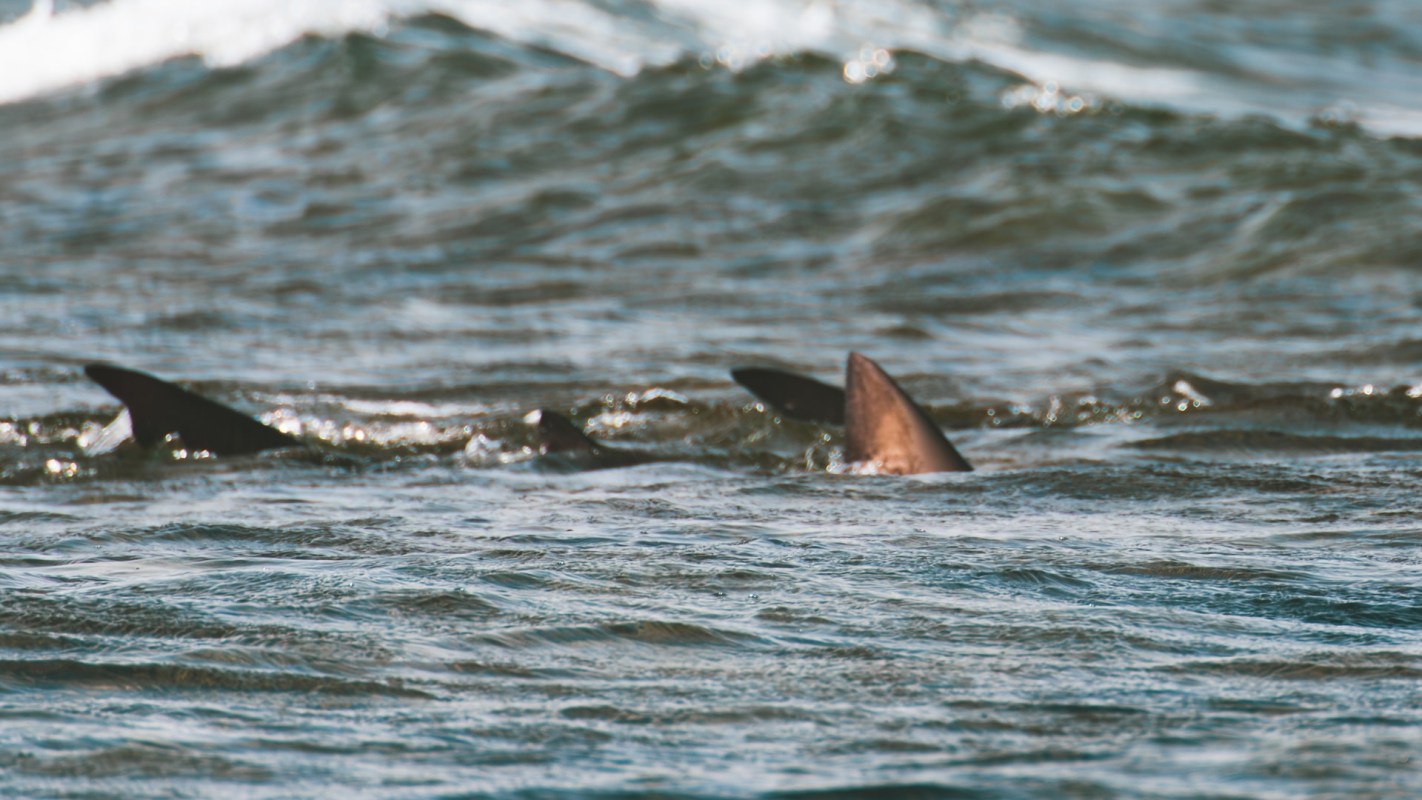
Multiple shark sightings at a Hawaiian beach have closed the waters to residents and tourists in the area.
What's happening?
At Nanakuli Beach on O'ahu, visitors and residents lost access to the beach as local authorities took safety measures after multiple shark sightings. According to Hawaii News Now, the Honolulu Ocean Safety Department spotted a non-aggressive seven to eight-foot shark, and about five minutes later, they spotted a 10-foot tiger shark at the beach.
Crews posted signs, patrolled by land and sea, and kept the public informed while assessing the situation.
Shark sightings along O'ahu's coast are common and tracked by the state with a public incident log for residents and tourists to check. Still, the string of recent sightings has heightened concerns, especially as the beach remains a popular spot for families, surfers, and swimmers.
Why is this concerning?
While shark encounters are statistically rare, shifts in human behavior and environmental conditions are making close interactions more likely. Rapid coastal development reduces habitat and disrupts feeding patterns, while resource shortages and warming waters can push marine animals closer to popular beaches.
Recent beach closures for sharks in California saw sharks moving farther north to establish a nursery in Monterey Bay, where none had existed before. Juvenile white sharks usually grow in warmer southern waters, but as ocean temperatures rise, they travel to new territory, sometimes not returning to their normal spots for years.
Perk up the winter blues with natural, hemp-derived gummies Camino's hemp-derived gummies naturally support balance and recovery without disrupting your routine, so you can enjoy reliable, consistent dosing without guesswork or habit-forming ingredients. Flavors like sparkling pear for social events and tropical-burst for recovery deliver a sophisticated, elevated taste experience — and orchard peach for balance offers everyday support for managing stress while staying clear-headed and elevated.
Learn more → |

Research has shown increases in human-wildlife conflict in areas experiencing habitat loss and higher temperatures, not just in the ocean, with potentially dangerous outcomes for both wildlife and humans. Protecting coastal ecosystems, like reefs and beaches, before they disappear, helps reduce these risky interactions while supporting biodiversity and the health of local communities.
What's being done about these encounters?
Officials urge beachgoers to avoid murky waters, swim in groups, steer clear of dawn and dusk hours, and always check with a lifeguard before entering the ocean. If you see or encounter a shark, notify ocean safety authorities immediately or call 911.
Conservation efforts across Hawaiʻi and beyond are offering hope and potential solutions. Reef restoration projects, marine-protected areas, and local programs have shown success in strengthening ecosystems and wildlife behavior. Coral recovery initiatives and community shoreline conservation work from organizations like the Surfrider Foundation can also help recover these natural environments.
|
Do you think America does a good job of protecting its natural beauty? Click your choice to see results and speak your mind. |
 Definitely 👍
Get TCD's free newsletters for easy tips to save more, waste less, and make smarter choices — and earn up to $5,000 toward clean upgrades in TCD's exclusive Rewards Club.
TCD Picks » Upway Spotlight
💡Upway makes it easy to find discounts of up to 60% on premium e-bike brands





Cool Picks






