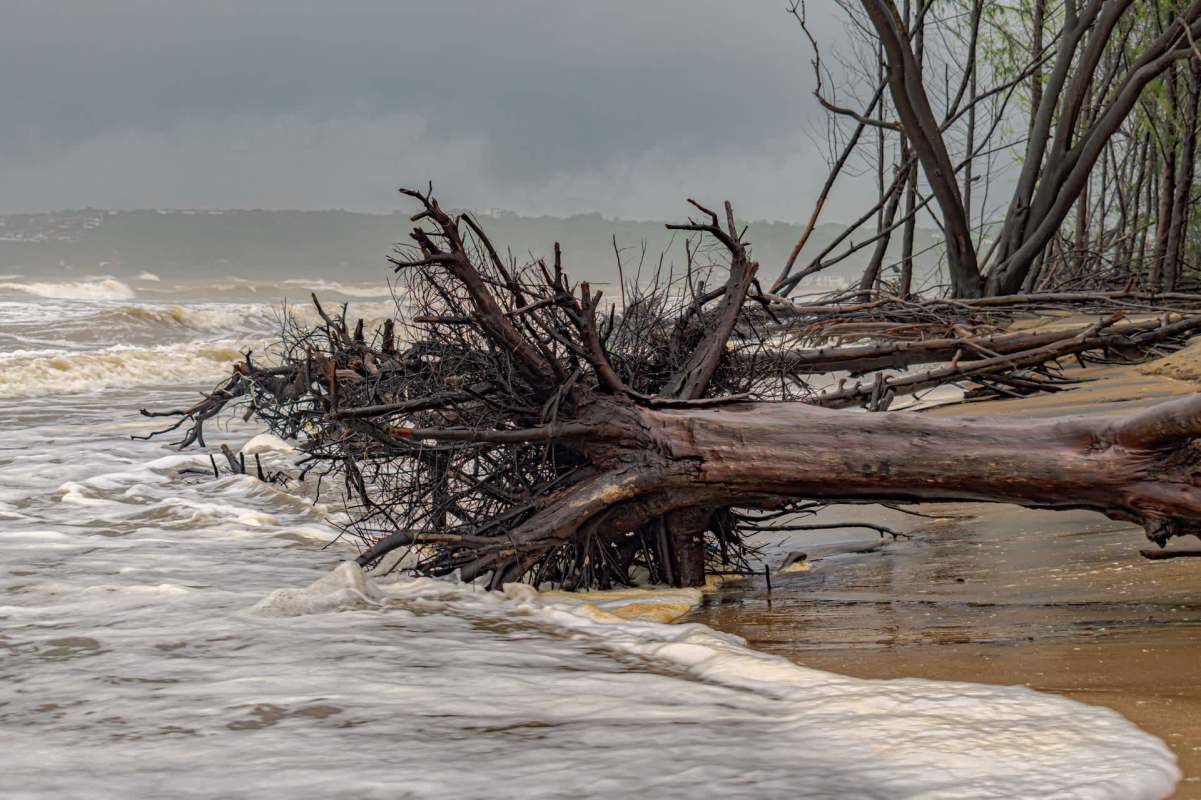
Hawai'i has become a stark preview of what may lie ahead for mainland U.S. beaches, as homes along the North Shore have collapsed into the ocean.
What's happening?
Hawai'i's shoreline is facing increasing danger from rising seas and erosion, and the state is calling for urgent action in both the islands and coastal communities across the country.
According to The Garden Island, a national report from the Surfrider Foundation urges local, place-based solutions instead of blanket policies — because every coastline tells a different story.
Nearly one-third of all residential properties on Oahu's North Shore sit within 20 feet of the ocean. The state now classifies those homes as "imminently threatened," as erosion continues to strip away the beaches that once protected nearby homes and roads.
"This is felt very acutely and experienced very acutely on the North Shore," said Surfrider's Coasts and Climate Initiatives Senior Manager Emma Haydocy. "It's an urgent and imminent issue."
And Hawai'i's story is far from unique. The same report warns that more than half of U.S. beaches could be underwater by 2100. California is projected to lose up to 70% of its sandy coastline.
TCD Picks » Quince Spotlight
💡These best-sellers from Quince deliver affordable, sustainable luxury for all




Why is this concerning?
It all comes back to how human activity has thrown off the planet's natural balance.
Burning dirty energy sources like coal and oil traps heat in our atmosphere, which in turn warms the oceans and melts ice sheets. The result: sea levels creep higher each year, reshaping coastlines that millions of people call home.
When beaches erode, communities lose more than land — they lose natural storm barriers, cultural landmarks, and the very ecosystems that protect them.
Scientists explain that while erosion has always existed, today's conditions supercharge it, making waves stronger and storms more destructive.
|
Should taxpayers help pay to clean up the Great Pacific Garbage Patch?
Click your choice to see results and speak your mind. |
 We should pay for all of it 👍
 What's being done about it?
Local leaders and organizations are taking action. In Hawai'i, new state initiatives are supporting "managed retreat" — relocating vulnerable buildings inland and restoring natural dunes and reefs that can absorb wave energy.
The Surfrider Foundation continues to push for innovative coastal policies that balance protection, adaptation, and public access.
Across the U.S., efforts like living shorelines and oyster reef restoration are helping buffer coasts while supporting marine life. People can also play a role by supporting clean energy policies, backing coastal conservation projects, and making small changes at home — like driving less or switching to renewable power when possible.
As Hawai'i's shrinking beaches show, the water's edge is moving — but with smarter choices and strong local action, we can help protect the places we love.

Join our free newsletter for good news and useful tips, and don't miss this cool list of easy ways to help yourself while helping the planet.