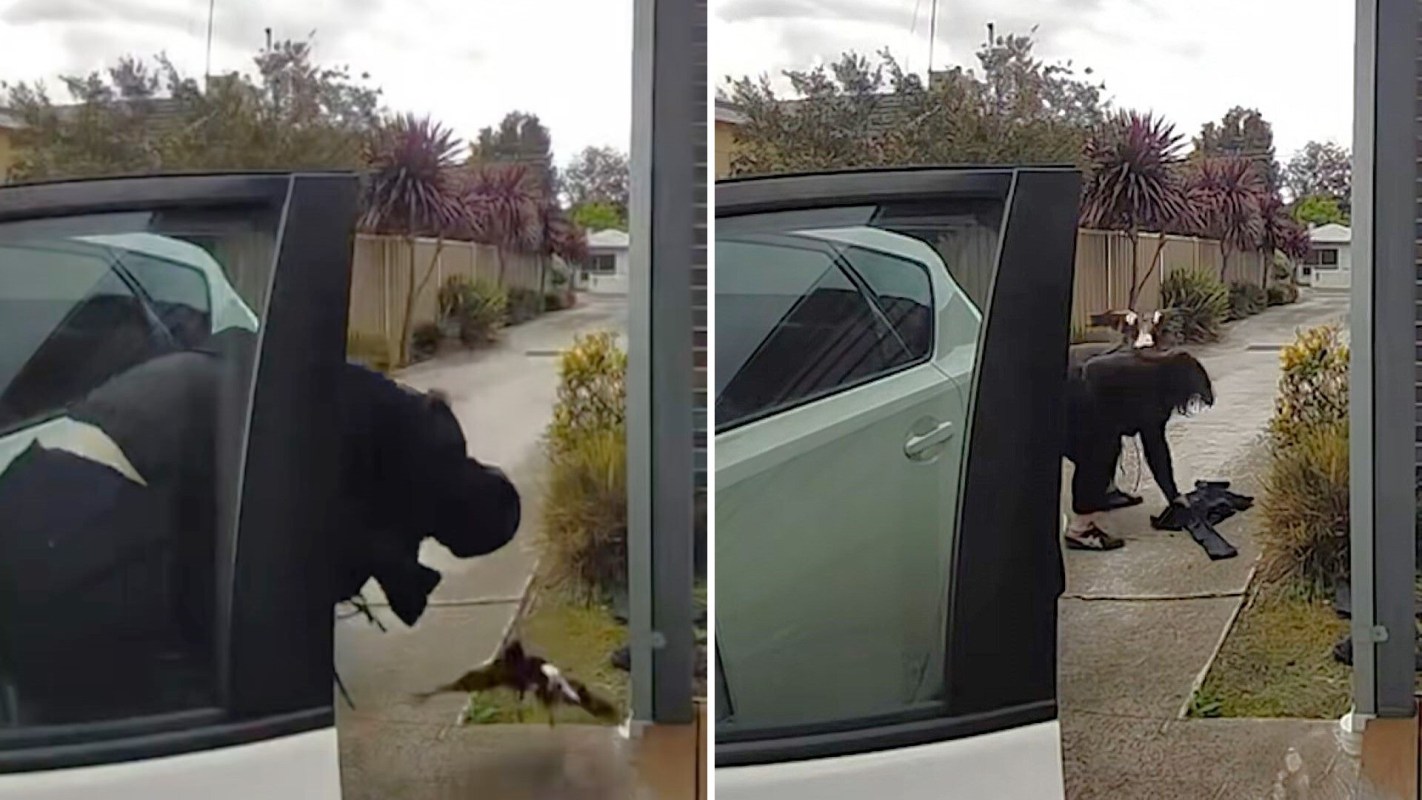
In Australia, the beginning of spring signals fresh flowers, longer days, and, unfortunately, magpie attacks.
What's happening?
In a recent viral TikTok, a person gets out of their car and is confronted with an aggressive magpie. The bird continuously swoops and claws at the passerby as they try to get away, swatting their jacket at the bird all the while.
@yahooaustralia Moment doorbell camera captures one of 'worst' #magpie attacks in Australia 😮 via @__Ellle #yahooaustralia ♬ original sound - Yahoo Australia
One person said of the video that it was "one of the worst attacks" that they had ever seen. However, it's not uncommon.
Why is this attack important?
The TikTok community had some suggestions as to what was happening.
"What did she do to make him hate her that much?" asked one commenter.
"They only do that if you did something to them," added another.
TCD Picks » Good Store Spotlight
Get 10% off your next purchase with code TCD10
The magpie "probably has a nest nearby and is defending his turf without being provoked," suggested one commenter.
Magpie swooping isn't just a seasonal nuisance, but it's also a sharp reminder of humanity's steady encroachment on the natural world. Magpies aren't naturally aggressive; they're usually just defending their nests in shrinking habitats now overlapped by sprawling suburbs, bike paths, and playgrounds.
What feels like a personal attack is really an act of survival, sparked by our disruption of balance. These encounters symbolize how development compresses wildlife into ever-smaller spaces, forcing animals to defend what little remains of their habitat.
What can I do to prevent this from happening to me?
To coexist more peacefully, we can respect buffer zones around known nesting sites, avoid staring directly at birds, and use detours when possible.
TCD Picks » Quince Spotlight
💡These best-sellers from Quince deliver affordable, sustainable luxury for all




Planting native trees to create private and safe places for these birds to nest, supporting urban greening projects, and keeping pets away from nests all help reduce stress for wildlife. By moving with awareness and care in shared spaces, we make life safer for both birds and ourselves.
|
Do you worry about the quality of the air inside your home?
Click your choice to see results and speak your mind. |
 Yes — often 😬
Join our free newsletter for good news and useful tips, and don't miss this cool list of easy ways to help yourself while helping the planet.