


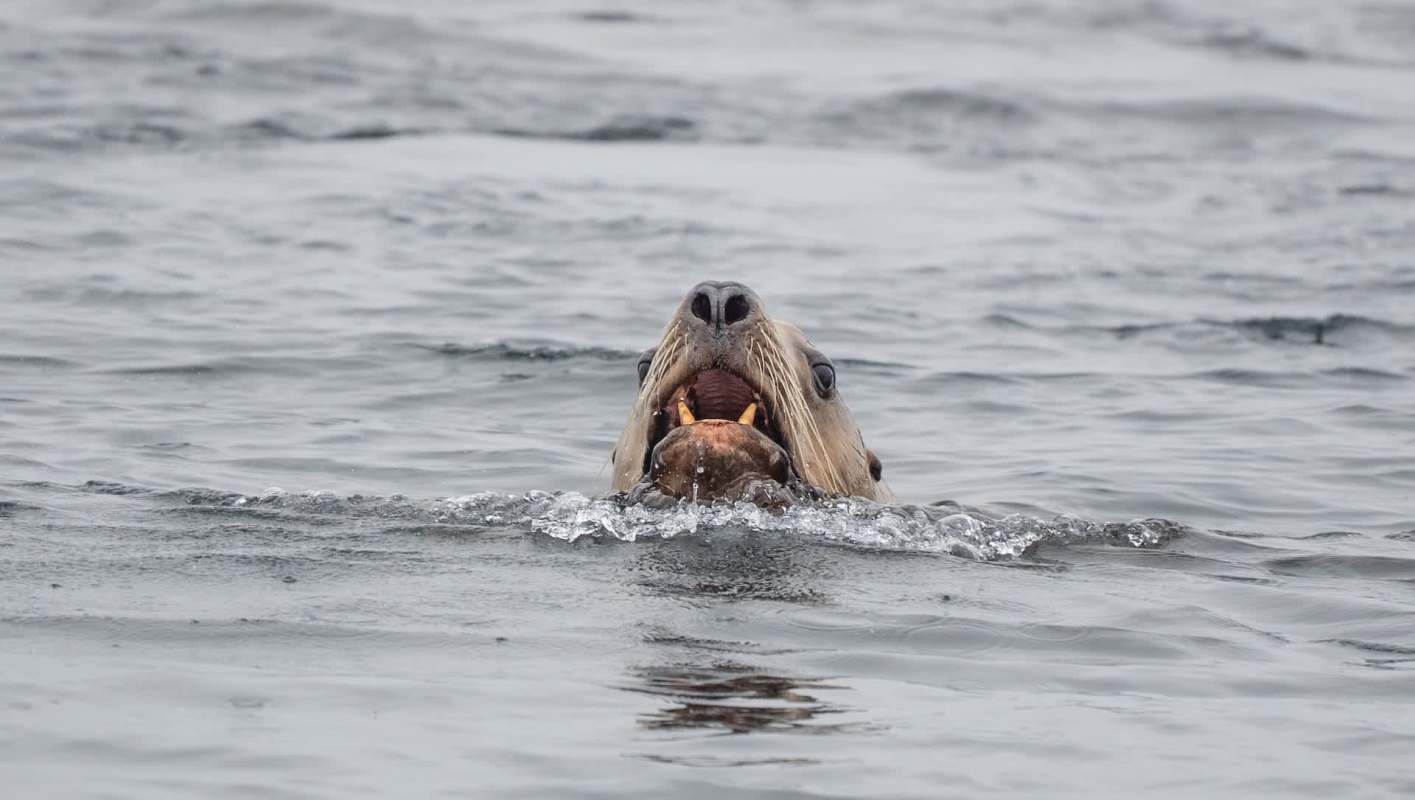
Scientists have observed an uptick in leptospirosis-infected marine life on the coasts of California beaches, the Los Angeles Times reported in an article shared on Phys.org. This zoonotic disease, which can cause kidney or liver failure in infected mammals, adds to the mounting pressures that marine life face as ocean conditions become increasingly uninhabitable.
What's happening?
A volunteer with the Marine Mammal Center shared that almost 400 sea animals have been reported as sick or stranded along the Central Coast beaches of California since the end of June, per the Times. Less than one-third of these animals have survived.
Some of them showed obvious signs of leptospirosis, a disease caused by a spiral-shaped bacterium, Leptospira, found in contaminated water or soil. The disease is easily spread through the urine of infected animals, as explained in Medical Microbiology, making an outbreak among highly social marine life, like sea lions, probable.
Humans may also contract the disease, with mild cases lasting between a few days to a few weeks, and severe cases lasting up to several months, according to the Cleveland Clinic.
Leptospirosis affects the kidneys and liver, inhibiting these organs from functioning normally, per the Cornell Wildlife Health Lab. Infected sea lions can be spotted drinking water or folding their flippers over their abdomen — two clear signs of abdominal pain and kidney failure, which affects the body's ability to regulate water levels in the body.
The disease was first reported in 1970 and has occurred annually in small outbreaks, per the Times. Every three to five years, scientists observe large outbreaks that lead to increased marine life deaths.
This year's outbreak, however, not only began one month earlier than usual but has also resulted in a record death toll.
Why are changing ocean conditions concerning?
The bacteria responsible for leptospirosis thrive in warm and moist environments, per Infection Ecology and Epidemiology, including shallow waters where sea lions live. Ocean conditions have been changing, and that impacts the survival of marine life.
Scientists are researching how ocean conditions affect the occurrence of disease. "But it's a work in progress. And the world is changing quickly underneath our feet," said Jamie Lloyd-Smith, a professor in ecology and evolutionary biology at the University of California, Los Angeles, per the Times.
As oceans continue to absorb excess carbon and heat from the environment, oceans are growing warmer, more acidic, and sea levels are rising faster.
TCD Picks » Quince Spotlight
💡These best-sellers from Quince deliver affordable, sustainable luxury for all




|
Are you concerned about chemicals in cleaning products? Click your choice to see results and speak your mind. |
 Absolutely 💯
 These changes disrupt marine ecosystems and increase stress on marine life. Heat stress, for example, has damaged nearly 84% of the world's coral reefs since 2023. Corals are an essential marine ecosystem, supporting at least 25% of the world's marine life, per the National Oceanic and Atmospheric Administration.
Warmer waters also encourage algae blooms, as the Environmental Protection Agency explained, which reduces available oxygen and sunlight for marine life and aquatic plants.
What can I do to help?
Wildlife rescue centers across the world have been taking in record numbers of animals, marine and otherwise.
In Texas, Austin Wildlife Rescue took in 160 animals following a devastating storm, which was the highest number of rescues ever recorded in a single day. A wildlife rescue center in Kent, England, rescued an unusually large number of badger cubs this year because of weather conditions and increased car accidents.
These rescue centers are frequently strained due to funding limits and extreme weather events. If you have extra time or resources to spare, consider supporting your local wildlife rescue centers to help them continue doing the important work they do.

💰Get TCD's free newsletters for easy tips to save more, waste less, and make smarter choices — and earn up to $5,000 toward clean upgrades in TCD's exclusive Rewards Club.
Cool Picks






