


Smugglers are making bold moves out in the open with illegal sales of jungle cat parts in Mexico.
What's happening?
Historically, most animal traffickers have gone to great lengths to hide their wrongdoing, making deals on the black market with bribes and secrecy. But with the rise of social media, much about this illegal industry has changed.
In Mexico, researchers have discovered a troubling number of animal body parts for sale on mainstream websites such as Facebook, according to a report by El País about a recent study. The sold parts are mostly claws and fangs from felines such as jaguars and pumas.
"It's not a hidden or black market," said Antonio de la Torre, a member of the civil association Bioconciencia, per El País. "Our hypothesis is that these … animals are being raised in the country."
Officials said it was a surprise to find the listings so easily online and that the problem is now the worst in Mexico, with 23% of all posts found.
Why is it concerning?
The illegal sale of jaguar body parts has typically come from places like Bolivia, Suriname, and China. However, the researchers found that the countries with the highest amount of feline parts for sale online are Mexico, Brazil, and Vietnam, with Bolivia coming in fourth.
This trafficking has ramped up in Mexico in part to appeal to tourists, with sales worth an estimated $2 million over the last 10 years. If this continues, it will seriously harm the local population of jaguars in Mexico.
The wildlife smuggling industry is terrible for the environment and local biodiversity. The most protected and endangered species are usually the most desired by traffickers, which hurts their chances of survival even further.
What's being done about it?
With more gathered data like this study, it gets officials one step closer to putting an end to animal trafficking. It's imperative that more funding and attention are allocated to this problem because it threatens both humans and wildlife.
If live animals are sold illegally outside of their natural environment, it's possible for them to become an invasive species in a new area. This can be extremely harmful to native species by making them compete for resources or by spreading pests and diseases.
TCD Picks » Upway Spotlight
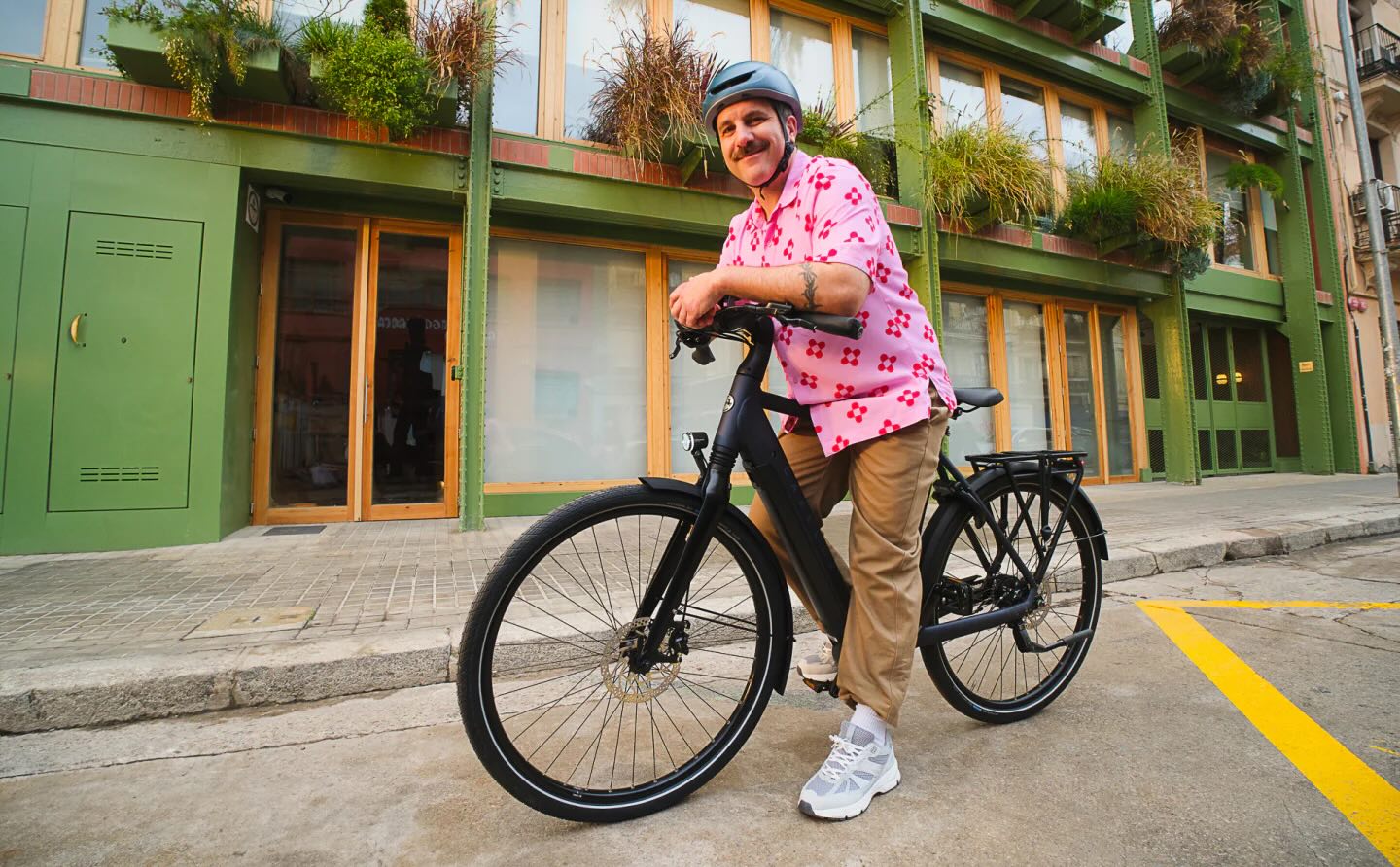
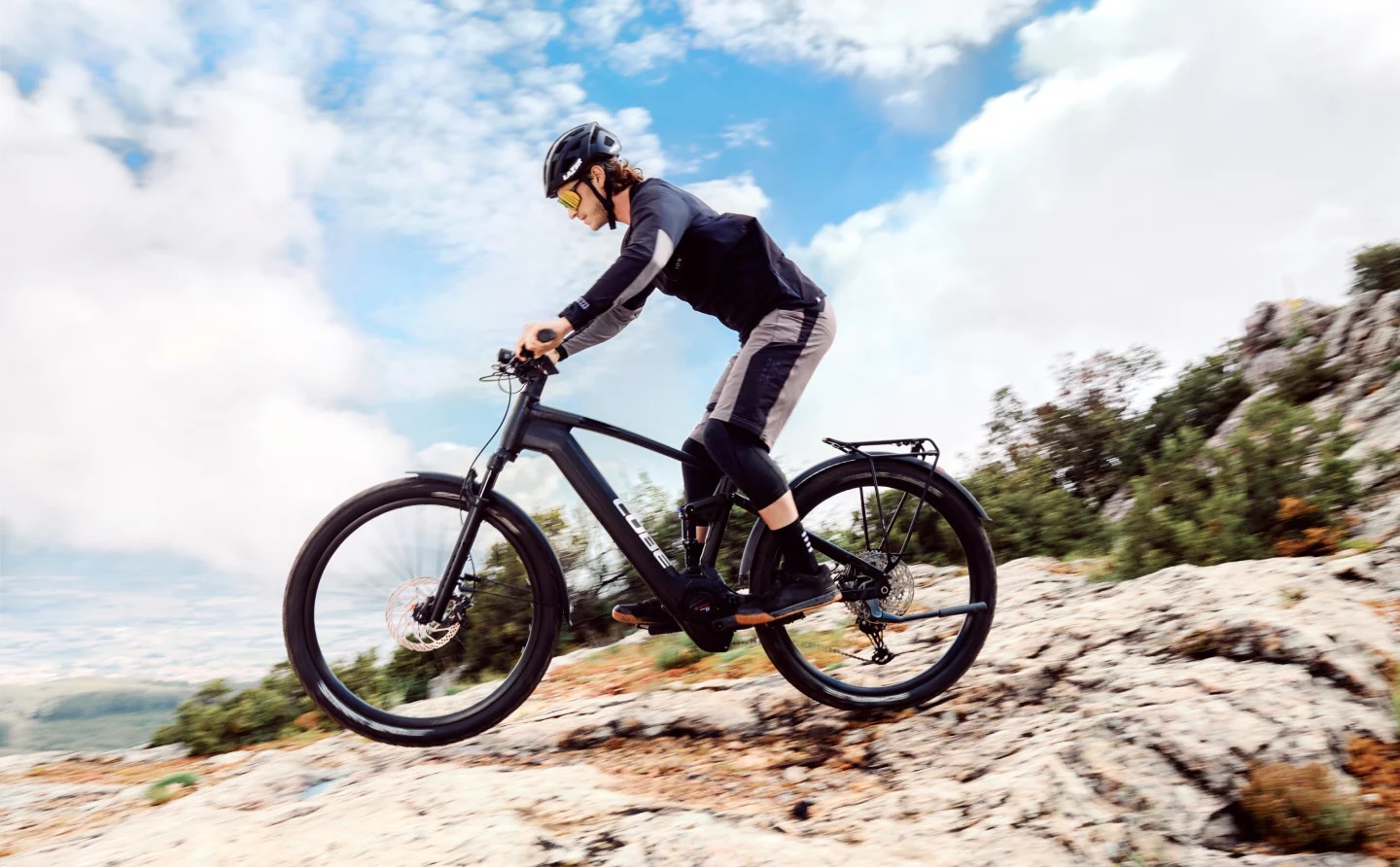
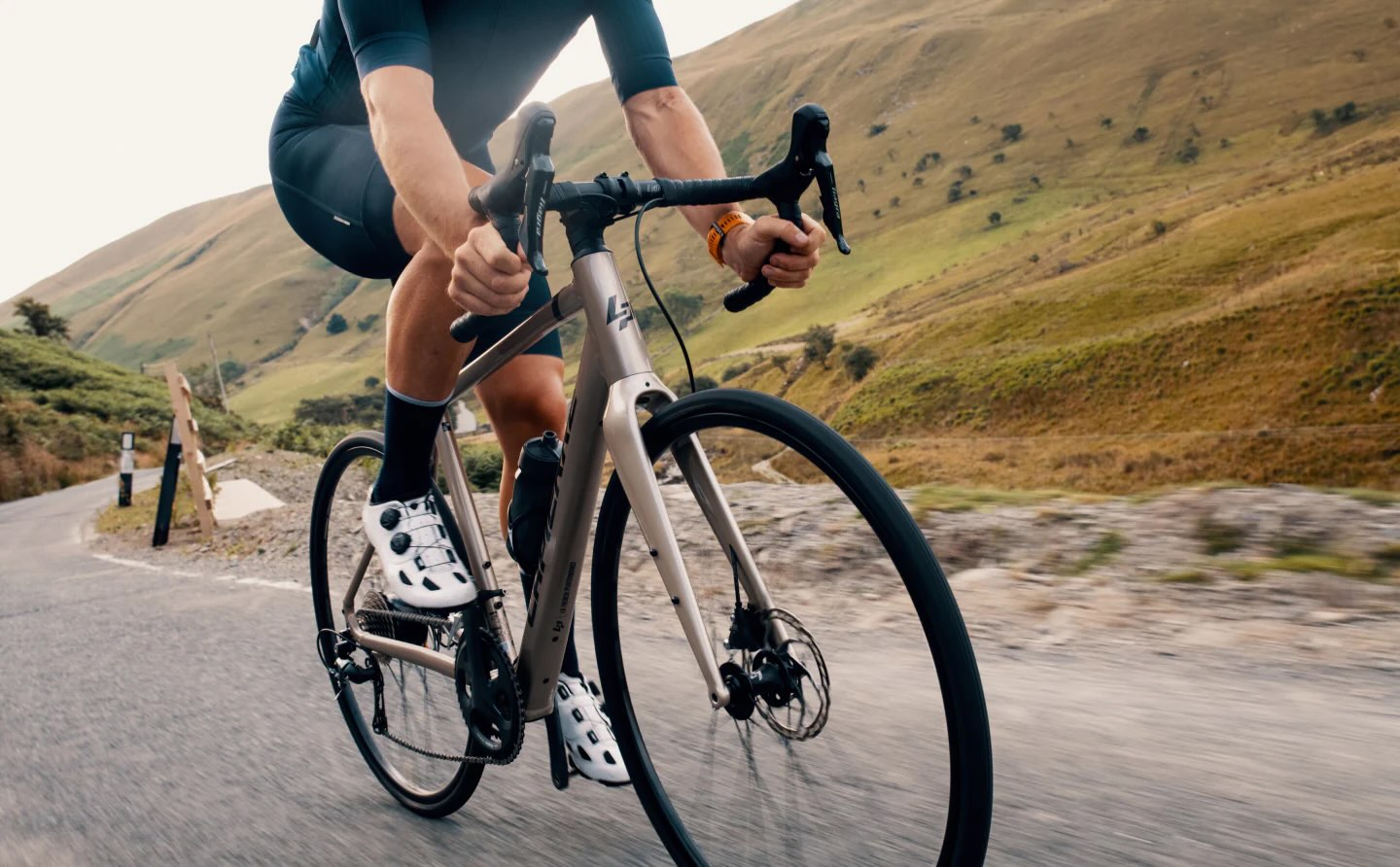
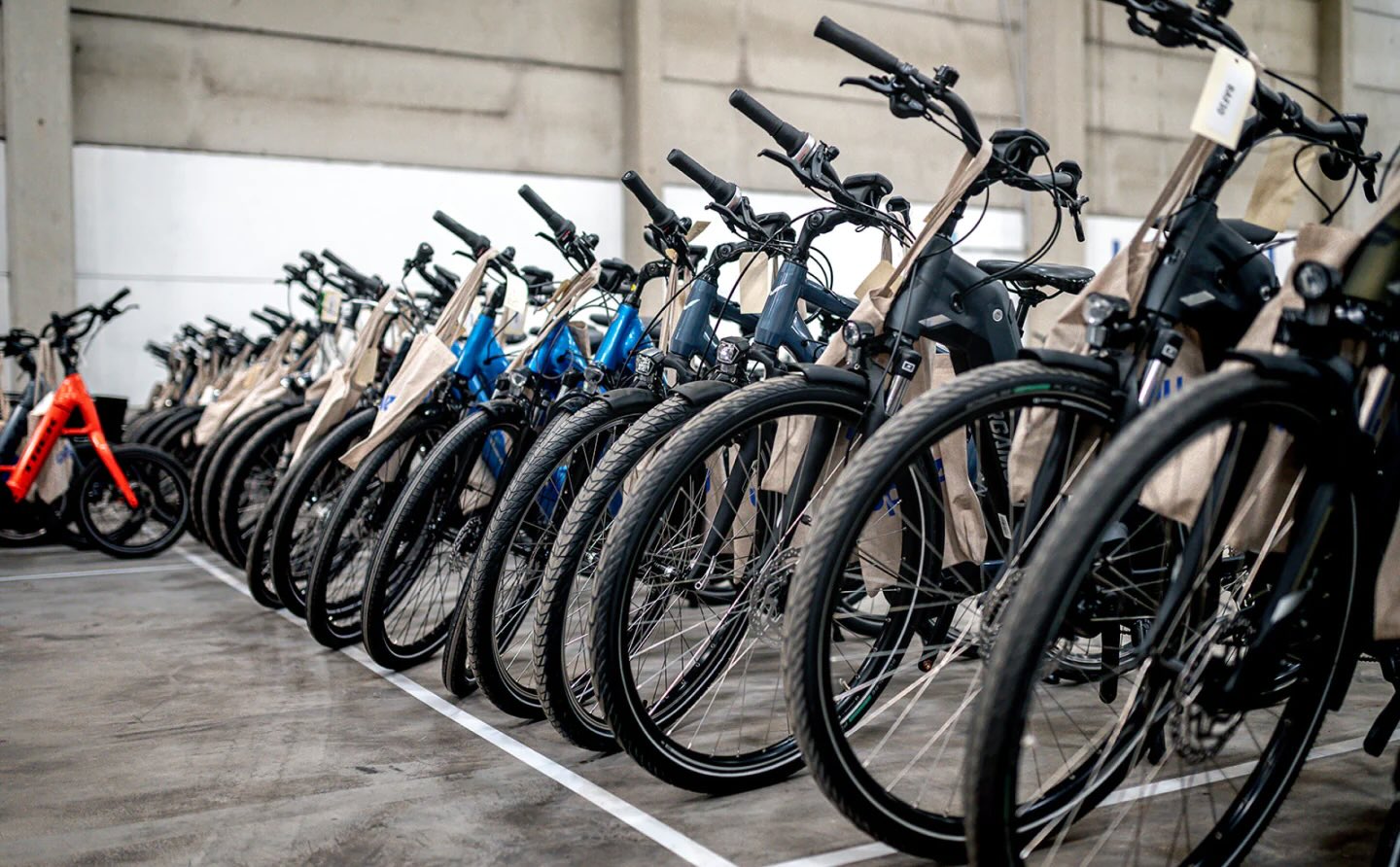
💡Upway makes it easy to find discounts of up to 60% on premium e-bike brands

|
Do you think America does a good job of protecting its natural beauty? Click your choice to see results and speak your mind. |
 Definitely 👍
 According to El País, researchers are calling for a better verification process from shipping companies to prevent wildlife parts from being delivered.
Other suggested solutions were more cybersecurity units dedicated to online wildlife trafficking and stricter permit allowances for breeding jungle cats.

Join our free newsletter for good news and useful tips, and don't miss this cool list of easy ways to help yourself while helping the planet.
Cool Picks






