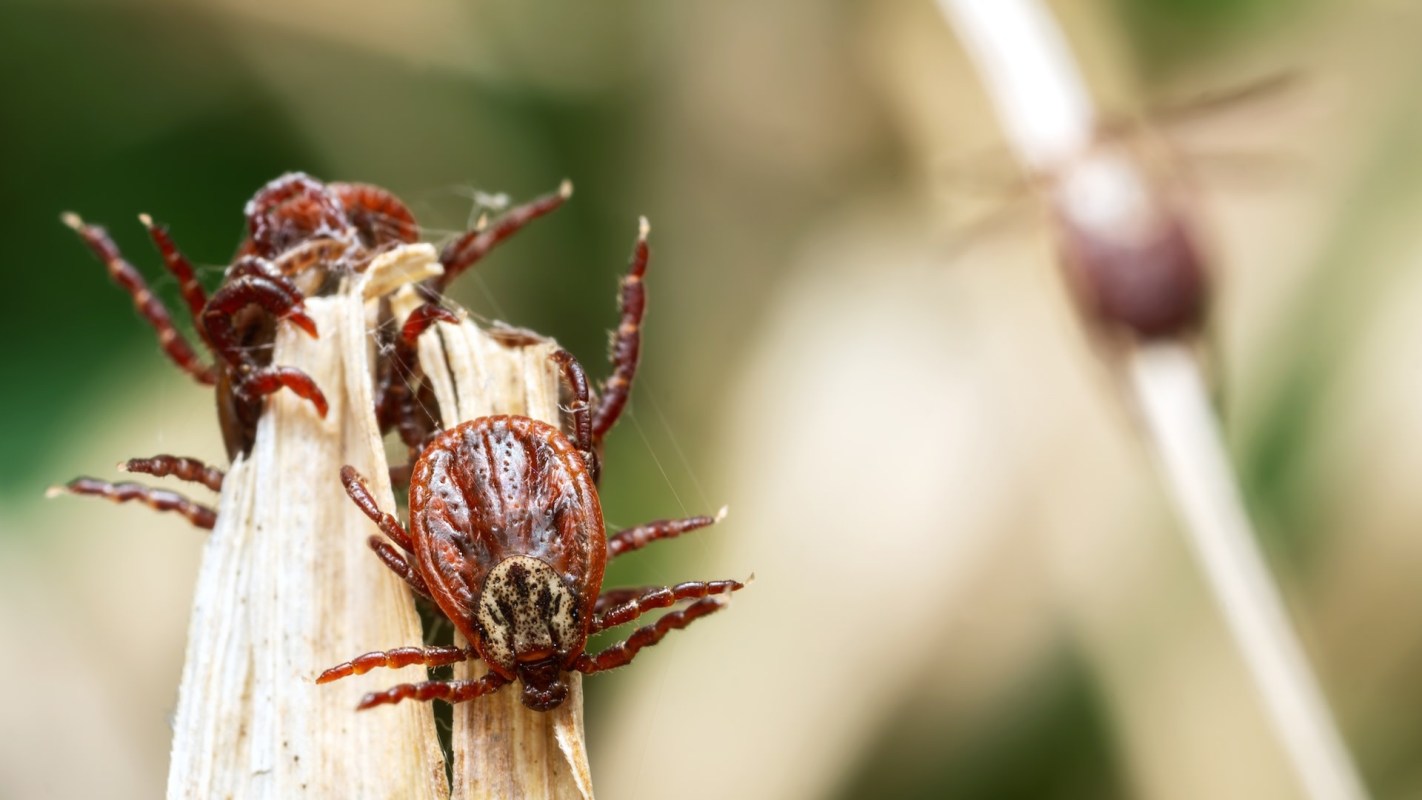
A new study is raising alarms after researchers discovered that nonnative ticks are increasingly turning up in the United States. Some of them carry dangerous pathogens, The New York Times reported.
What's happening?
The research, published in iScience, documented seven invasive tick species carried into Connecticut by international travelers from 2019 to 2023. The ticks arrived from places as far away as Belize, Costa Rica, Poland, and Tanzania. Worryingly, two of them tested positive for Rickettsia amblyommatis, a bacterium linked to spotted fever, which can be fatal if untreated.
"The main finding is that we are facing an increasing risk of invasive ticks in the United States," said study author Goudarz Molaei, a medical entomologist with the Connecticut Agricultural Experiment Station.
The problem isn't limited to international hitchhikers, though; domestic ticks are also finding new habitats. Lone star ticks, which can cause a red meat allergy in some people, are expanding into new regions. Deer ticks are also pushing farther into areas that were once too cold for them.
Why is the spread of ticks concerning?
Ticks are thriving in today's changing environment. Warmer winters allow more of them to survive, while longer warm seasons mean they can be active for longer. That creates a wider window for them to bite people and animals. With that, there could be an increase in tick-borne illnesses.
Another element helping tick populations thrive is the spread of invasive Japanese barberry plants, which offer an ideal habitat for different species.
Perk up the winter blues with natural, hemp-derived gummies Camino's hemp-derived gummies naturally support balance and recovery without disrupting your routine, so you can enjoy reliable, consistent dosing without guesswork or habit-forming ingredients. Flavors like sparkling pear for social events and tropical-burst for recovery deliver a sophisticated, elevated taste experience — and orchard peach for balance offers everyday support for managing stress while staying clear-headed and elevated.
Learn more → |

Lyme disease is already a big concern for people, and growing tick populations could bring with them new pathogens that spread through communities. "Because of the hospitable environment currently, there is no limit for these ticks to start establishing populations," Molaei explained.
What can we do about tick-borne illnesses?
Experts say awareness and vigilance are the best defenses. Checking yourself and your pets for ticks after spending time outdoors is still the most effective way to prevent transmission. Even simple steps such as wearing protective clothing and using repellent can reduce the risk. For researchers, keeping track of new arrivals could help prevent dangerous outbreaks before they spread widely.
But experts also say not to panic. "I always encourage people to go outside, enjoy the outdoors, even when you're in other countries," tick ecologist Megan Linske said. "Go enjoy the outdoors, but just be aware that ticks are everywhere."
In the long run, taking local action to curb the pollution contributing to rising global temperatures will give us a better chance to prevent environmental imbalances. Rewilding your yard with native plants can also stop invasive plants from disrupting local ecosystems.
TCD Picks » Upway Spotlight
💡Upway makes it easy to find discounts of up to 60% on premium e-bike brands





|
How often do you worry about having your personal info stolen? Click your choice to see results and speak your mind. |
 Never 😌
Join our free newsletter for good news and useful tips, and don't miss this cool list of easy ways to help yourself while helping the planet.
Cool Picks