


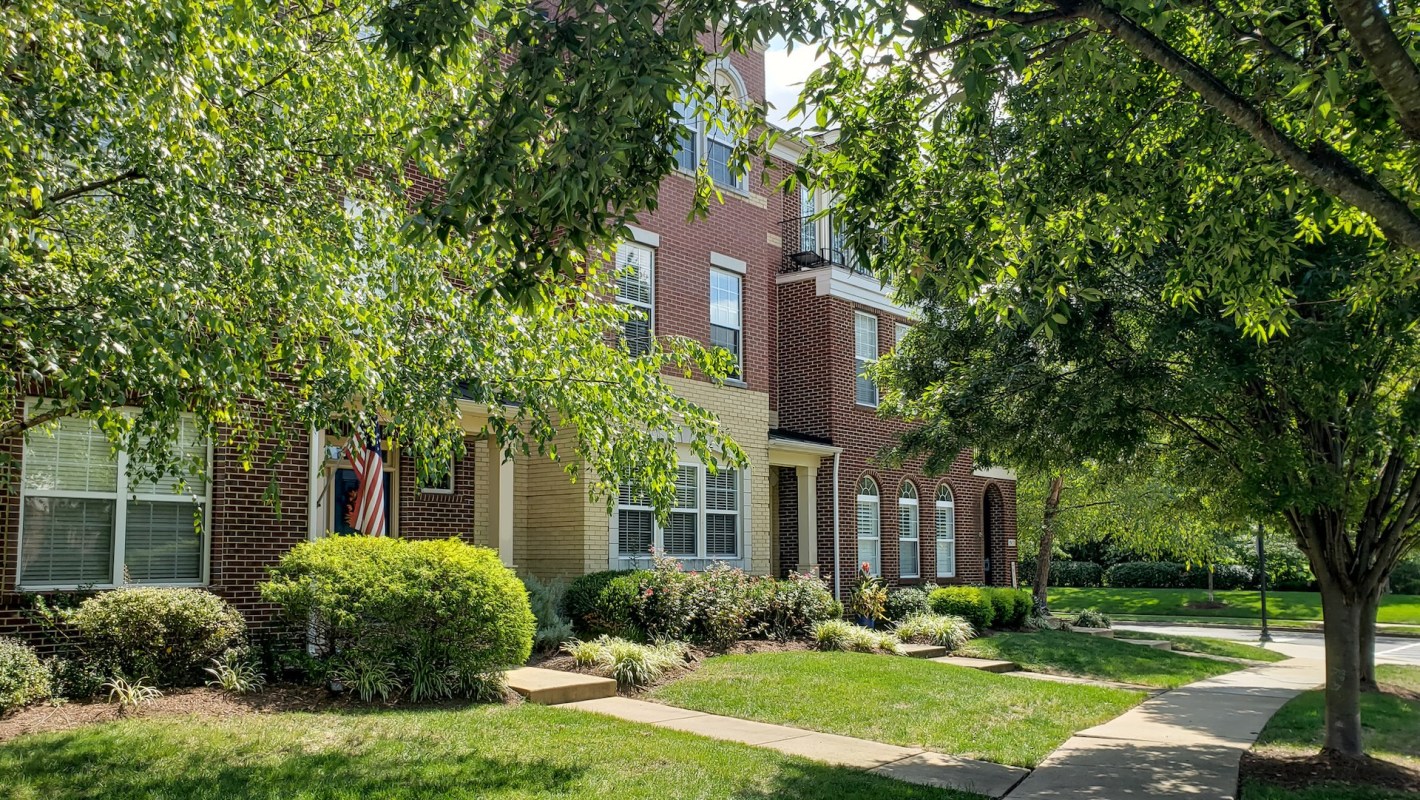
Homeowners in Virginia are getting some major help when it comes to dealing with invasive species, thanks to a new program.
In Loudoun County, about 50 miles west of Alexandria and Washington, D.C., the county board of supervisors has approved the Invasive Plant Species Management Program, according to Patch.
The program will help private, commercial, and industrial landowners with removing and dealing with invasive plants on their properties, with $2 million allocated.
Applications will open in the fall.
According to the county government, there are at least 30 invasive species found in the region. The Loudoun Invasive Removal Alliance cites the Bradford pear, which is prone to falling over during storms, and the tree of heaven, which has been a popular habitat for the invasive spotted lantern fly, as two of the more troublesome species in the county.
This program will be a huge help to anyone dealing with invasive species, as they can be a real headache to remove, especially for individual homeowners who are shouldering the burden.
Invasive species also cost local economies money. According to the Loudoun Invasive Removal Alliance, the tree of heaven is spreading to grapevines and orchards, threatening Virginia's wine and produce industries, and thus its $2 billion tourism industry. That's just at the state level. A 2021 report from the National Invasive Species Information Center showed invasive alien species cost the global economy nearly $1.3 trillion over 50 years.
They also often outcompete native plants for resources, with one study showing that they were a contributing factor in a quarter of all recent plant extinctions and one-third of all recent animal extinctions.
Once invasive species are removed, it's in everyone's best interest to replant with native species or allow your garden or yard to become wild again. Both options require less maintenance from a physical and financial perspective, as they require less water, mowing, and eliminate the need for chemical pesticides and fertilizers.
They also support other native species, like pollinators, which are vital to plant life and, as it turns out, the economy. The Food and Agriculture Organization of the United Nations reported that the relationship between crops and pollinators is worth $235 billion a year.
TCD Picks » Quince Spotlight
💡These best-sellers from Quince deliver affordable, sustainable luxury for all




|
What's the hardest thing about taking care of your yard? Click your choice to see results and speak your mind. |
 Mowing the lawn 🏡
Join our free newsletter for good news and useful tips, and don't miss this cool list of easy ways to help yourself while helping the planet.
Cool Picks




