


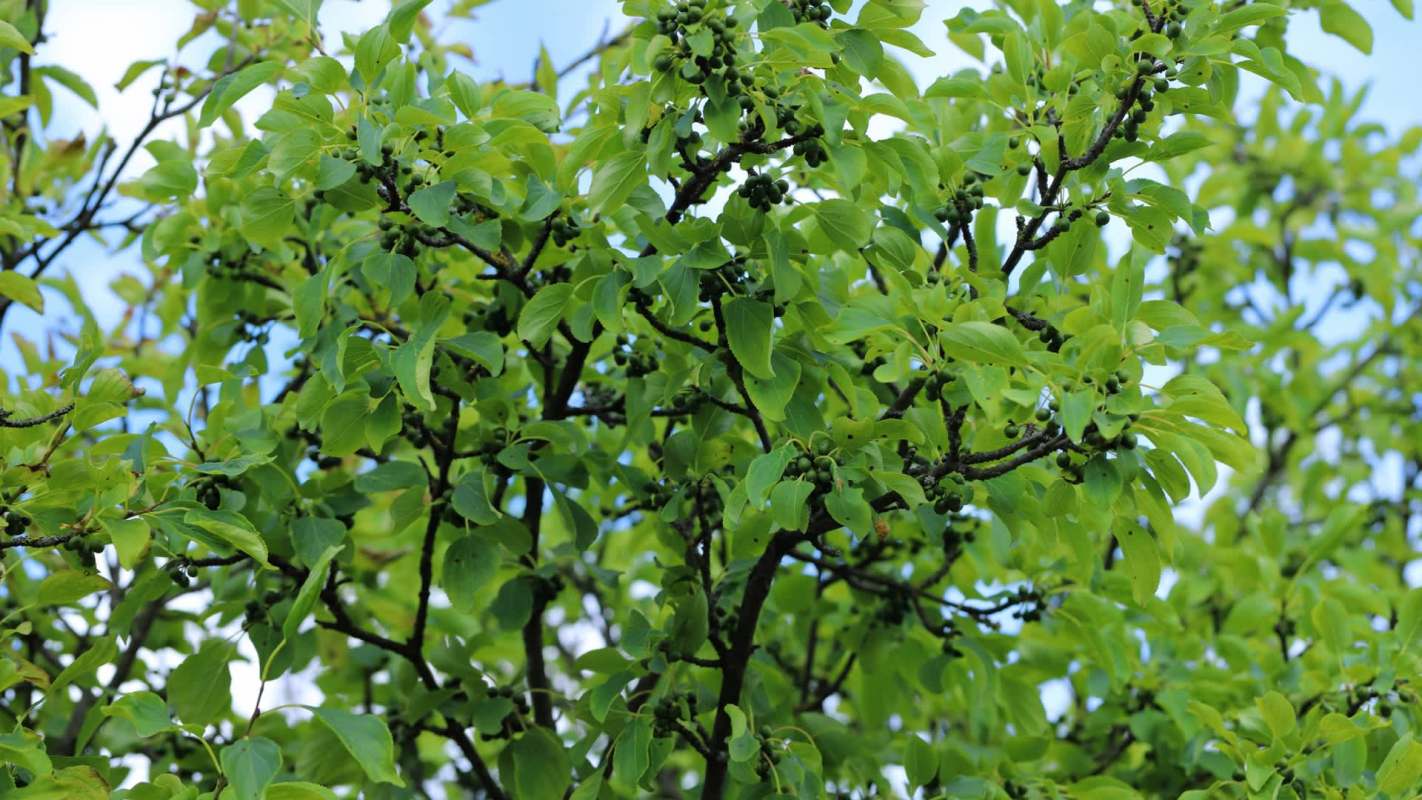
Sometimes, you may not know whether the plant you discovered growing on your property is invasive and needs to be removed.
Luckily, the next time that happens, you can ask for advice online, as one Facebook user did in the Invasive Plant ID & Removal in the United States and Canada group.
They shared photos of the plant they had come across and asked: "Northeast Ohio: would someone confirm that this is alder buckthorn (frangula alunus)? Or if it isn't, is it another invasive that should be removed?"
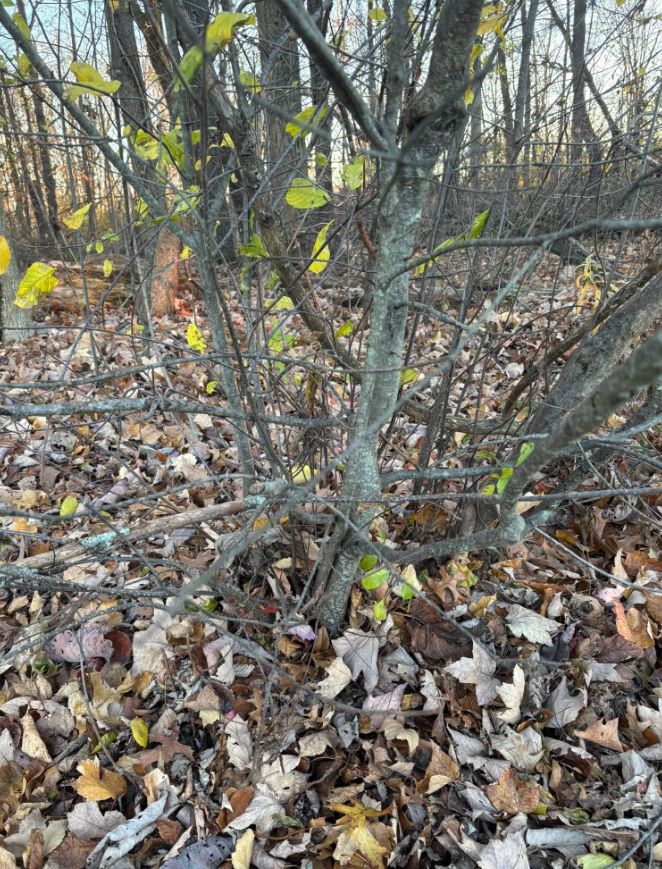
Several other members of the group were eager to jump in and help identify it.
"Looks like buckthorn to me. I have been pulling it up," one person answered.
Another person responded: "It looks like glossy buckthorn to me," to which the original poster exclaimed, "Thanks - guessing it should go!"
Glossy and common buckthorns are invasive in Ohio, and when they spread, they do so rapidly, forming dense thickets that crowd out native shrubs, damaging ecosystems, and leading to the loss of native plant life.
Invasive plants can be a major headache for homeowners when they show up on property, not only because of this, but also because some can spread to houses and cause damage. This incurs high costs to eradicate the plants and repair any structural damage.
However, native plants can help stop the spread of invasive plants and, because they require little maintenance, can be a significant time saver for homeowners. Additionally, native species require far less water, helping reduce water bills.
Switching to a native lawn offers other benefits, too. A rain garden filled with native plants can help control water runoff, while native plants with deep roots placed around the yard can prevent erosion.
TCD Picks » Quince Spotlight
💡These best-sellers from Quince deliver affordable, sustainable luxury for all




|
What's the hardest thing about taking care of your yard? Click your choice to see results and speak your mind. |
 Mowing the lawn 🏡
 Perhaps the best benefit of rewilding your yard with native plants — aside from saving money and increasing aesthetic appeal — is that it will attract more wildlife and pollinators. Pollinators, in particular, are vital to safeguarding our food supplies.
If switching to a native lawn seems overwhelming, start by planting native species in a corner of your yard. You can search online databases for plants native to your area or try planting blue grama or clover.
Before planting native species, though, be sure to identify invasive species first, as the original poster here did, so that you can eradicate them from your lawn.

Get TCD's free newsletters for easy tips to save more, waste less, and make smarter choices — and earn up to $5,000 toward clean upgrades in TCD's exclusive Rewards Club.
Cool Picks




