


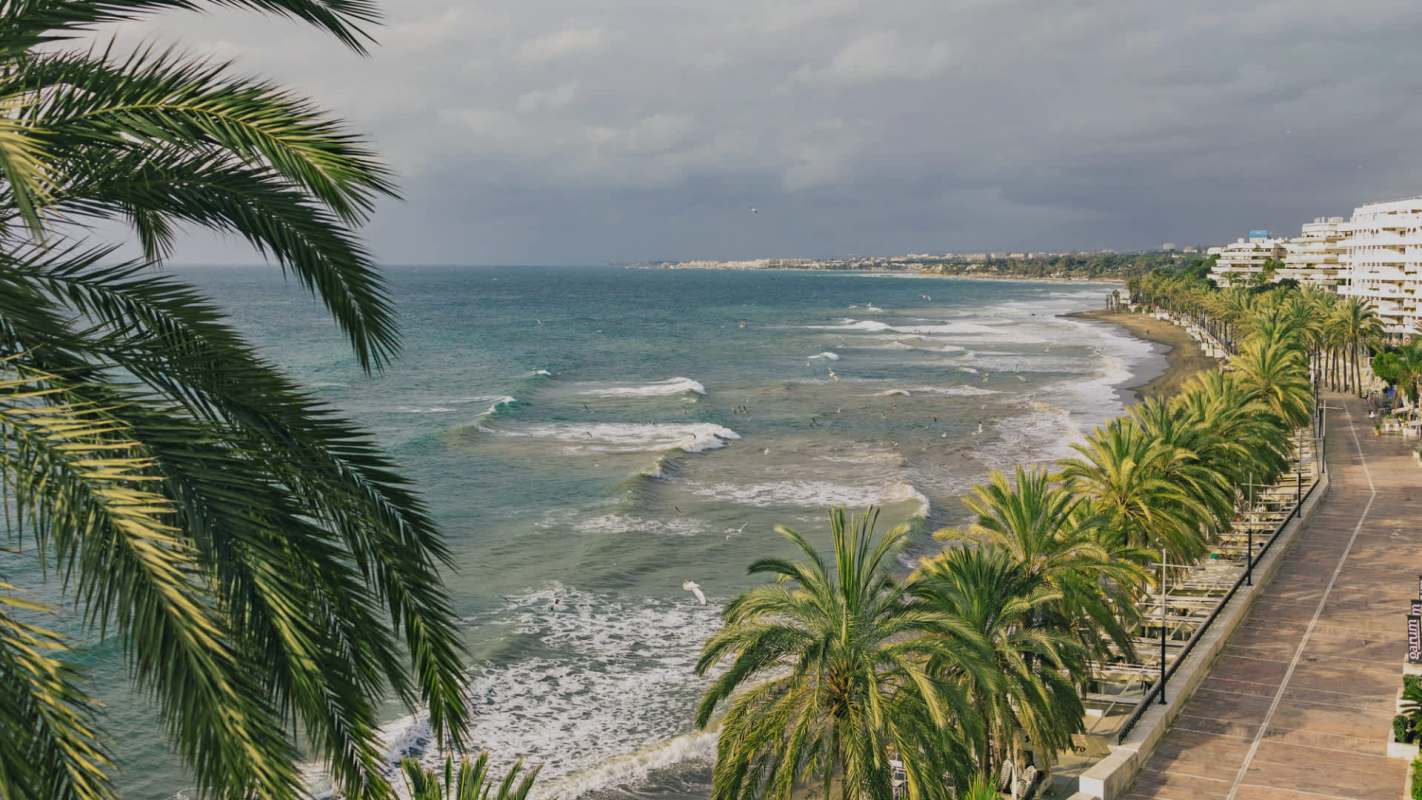
Invasive algae is overrunning Spanish coastlines, threatening marine ecosystems and local industries. The Asian species, Rugulopteryx okamurae, has been detected along nearly every coastal region in Spain except the Balearic Islands, according to El País.
What's happening?
First spotted in the Spanish enclave of Ceuta in 2015, this aggressive algae has exploded in population, fueled by its ability to multiply rapidly. A single individual can asexually produce up to 600 clones up to six times a year. This is a massive uptick from the two years it takes in its native zone.
Scientists estimate that there could be as many as 3,000 per square meter in certain meadows. While they don't kill native posidonia (Neptune's grass), they decimate everything else in the habitat. "It's as if a forest were left with only the trees," said biologist María Altamirano, vice president of the Spanish Society of Phycology.
Why are invasive species like Rugulopteryx concerning?
The resulting mountains of rotting seaweed — called arribazones — are overwhelming beaches, severely impacting locals, tourists, and the fishing industry. In Tarifa alone, officials estimate that $3 million is lost each year due to reduced catches and the need for algae cleanup.
The spread of invasive species puts pressure on native species by crowding them out and altering their ecosystems. In this case, species such as monkfish and sole are suffering, threatening fisheries and food security. Tourism has also taken a hit, with beachgoers avoiding algae-littered shorelines.
"This is a bomb, an environmental disaster," said fisherman Manuel Suárez. "We're fishing less because the algae suffocates the species and they move to other areas."
TCD Picks » Quince Spotlight
💡These best-sellers from Quince deliver affordable, sustainable luxury for all




What's being done about this and other invasive species?
A project in Andalusia is exploring how to repurpose the invasive algae as fertilizer or sustainable crop biostimulants, which could turn this costly nuisance into a regenerative resource. But experts say prevention is the only long-term solution.
Much of the algae's initial spread is believed to come from ballast water in international ships, which is supposed to be released far from the coast in the open sea. Without stricter enforcement and better screening, experts warn this problem isn't going away.
Some regions have developed solutions such as eating non-native species and using genetic technology. Individuals can help by exploring critical climate issues and supporting conservation and invasive species removal efforts.
Avoiding the purchase of non-native plants and animals can reduce the spread of invasive species. Plus, changes at home such as rewilding your yard can protect your local ecosystem and pollinators (thereby protecting our food supply) while saving money on maintenance and water bills.
|
Do you think we're doing enough to clean trash from the oceans? Click your choice to see results and speak your mind. |
 Yes 👍
Yes 👍 
Join our free newsletter for good news and useful tips, and don't miss this cool list of easy ways to help yourself while helping the planet.







