


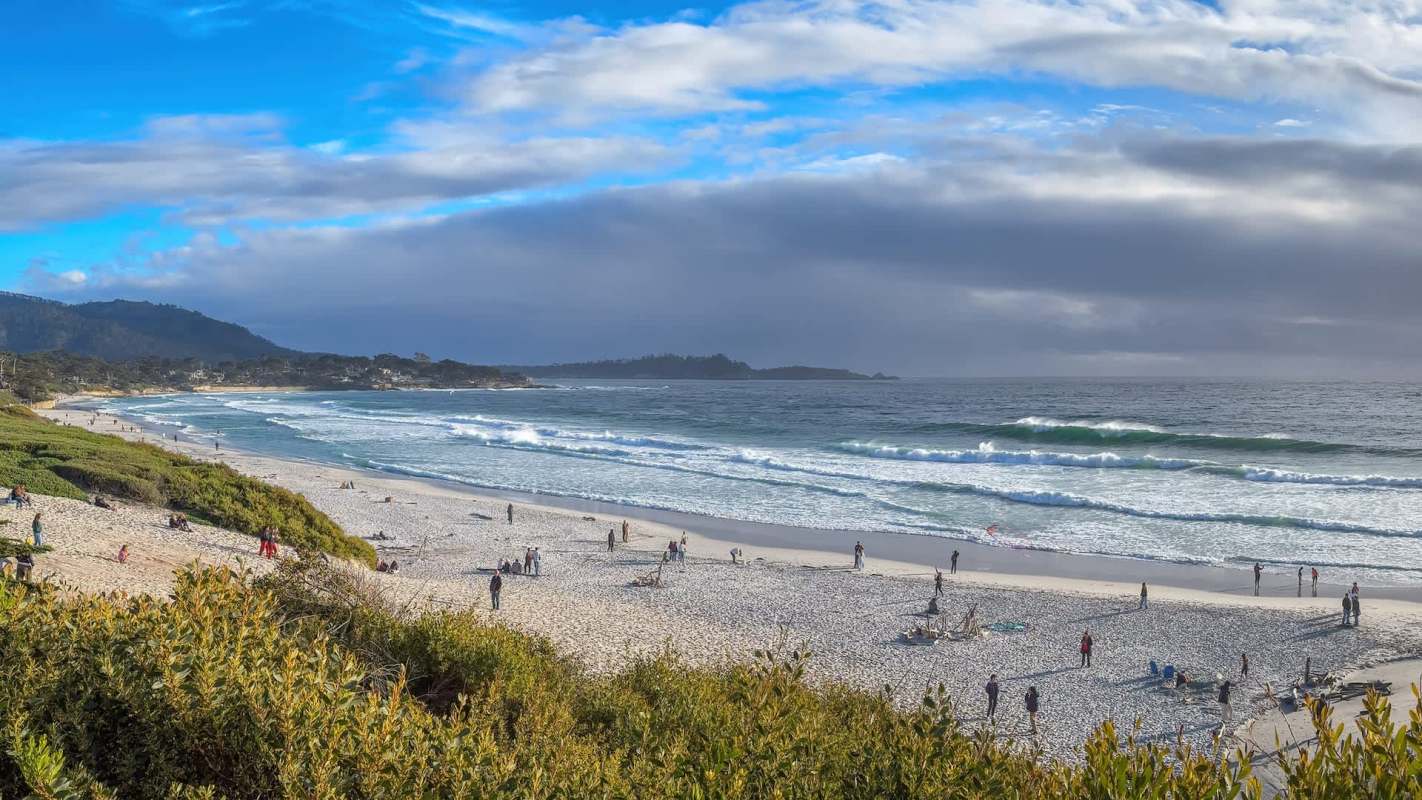
Up to half of the coarse sediments on British beaches may be human-made materials.
What's happening?
When you picture an idyllic beach, the sand is likely not filled with glass, industrial waste, bricks, and concrete. However, a new study in the journal Sedimentology found that up to half of the sediments on British beaches are composed of these unpleasant materials.
As industrial coastal areas erode, these human-made products are swept into the ocean and washed up on beaches.
Larissa Naylor, co-author of the study, told The Guardian: "Beaches are not static landforms — they change … It's not all just about marine plastics. People don't necessarily know about things like this."
Why is beach erosion so concerning?
This study highlights the negative impact people are having on natural areas.
As more human-made materials wash up on beaches, these areas become less safe to enjoy. Who wants to dodge chunks of industrial waste and shards of glass while trying to sunbathe?
Along with making seaside trips less clean and safe for humans, the prevalence of non-natural products could put coastal birds and sea life at risk.
Microplastic pollution on beaches is already posing a threat to marine wildlife. As habitats get overtaken by pollution, local biodiversity can suffer. Animals are at risk of getting caught in or swallowing marine debris, which can lead to endangered species dying.
What's being done about beach erosion?
As Naylor remarked, beaches are constantly changing, but natural solutions seem to be a way to prevent negative changes to coastal areas.
This could include restoring dunes, marshes, and wetlands. Erosion of these areas would mean that natural sediments — rather than human-made ones — were being washed up onto other beaches. It would also have a hugely positive impact on marine biodiversity by allowing native species of plants and animals to thrive.
TCD Picks » Upway Spotlight
💡Upway makes it easy to find discounts of up to 60% on premium e-bike brands





|
What's the most you'd pay per month to put solar panels on your roof if there was no down payment?
Click your choice to see results and speak your mind. |
 $200 or more 💰
 Elsewhere, stronger defences such as seawalls and rock fronts are being put in place to prevent coastal erosion. However, despite often being quicker and cheaper to make than natural defences, these are often more short-term solutions.
Hard defences that combine with natural solutions such as "living seawalls," which are 3D-printed to mimic coastal habitats while also blocking waves from flooding the local area, could be the answer to protecting coasts around the globe.

Get TCD's free newsletters for easy tips to save more, waste less, and make smarter choices — and earn up to $5,000 toward clean upgrades in TCD's exclusive Rewards Club.
Cool Picks






