


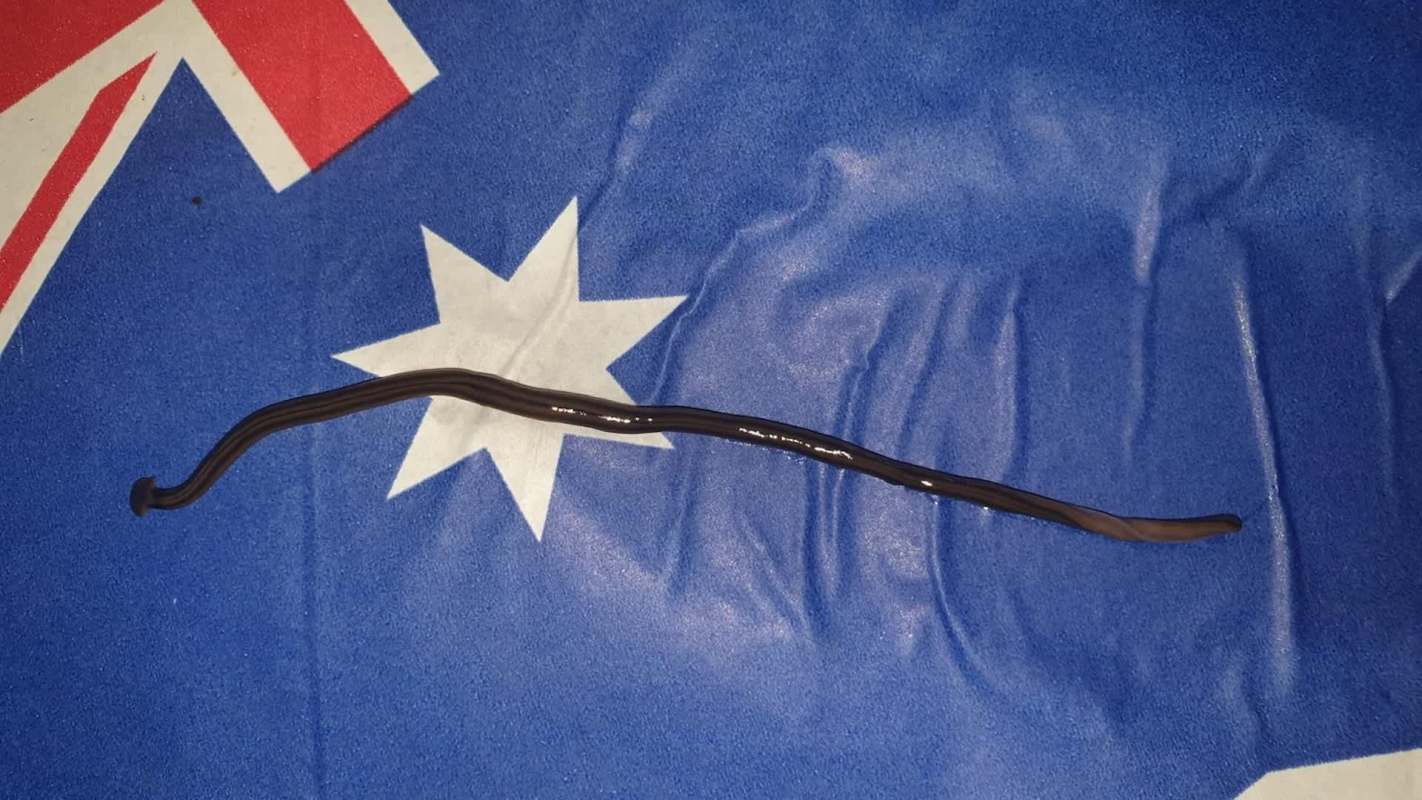
One gardener took to Reddit after making an unsettling discovery inside a flower pot.
In a post to the r/gardening subreddit, the user stated that they found a hammerhead worm that had "wormed its way out" of a flower pot with a succulent the original poster's sister had just planted.
They included a photo of the worm, a long, black creature with a sickle-shaped head. The worms can average around 8-12 inches in size, with some growing as long as 15 inches.
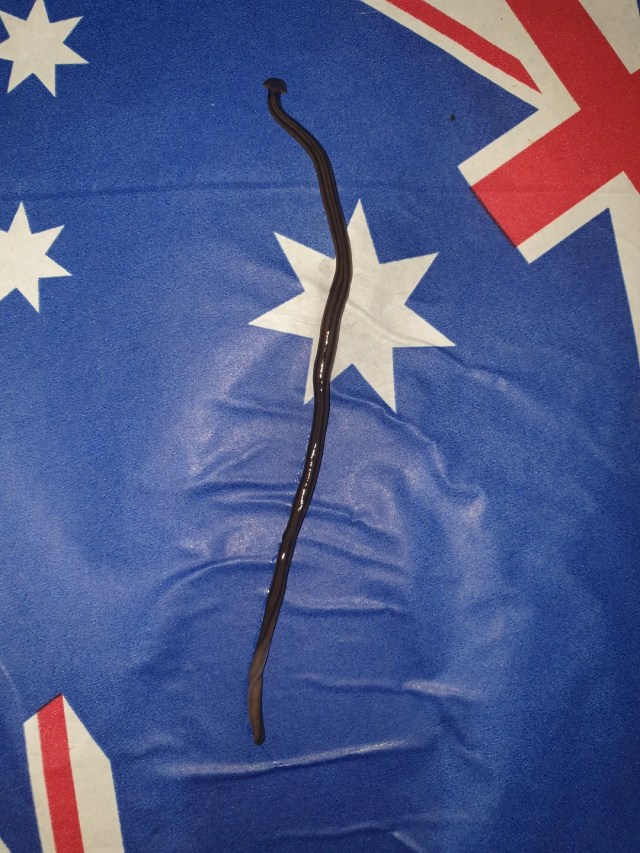
"Honestly I had no idea what this worm was until I posted in r/whatsthisbug," the OP wrote in a comment on the post. "I was horrified when I found out what it was."
The discovery is especially concerning as hammerhead worms are considered an aggressive, invasive pest that has already spread to various places around the world. They are originally native to Southeast Asia but have unfortunately been sighted in the United States for the last century.
The hammerhead worm poses a threat to ecosystems as they feed on earthworms, which are crucial for soil health and decomposition of organic matter. They also have a toxic coating that can be hazardous to people and animals that make contact.
TCD Picks » Quince Spotlight
💡These best-sellers from Quince deliver affordable, sustainable luxury for all




Recent sightings have been documented across North America, including in North Texas, Maine, Oklahoma, and Ontario, Canada.
The reactions to the hammerhead worm sighting remained overwhelmingly negative among Reddit users.
"Super creepy worm, gave me shivers," said one commenter. "If you cut them up, from what I read, they will grow new worms from every cut piece."
The latter is unfortunately true, as confirmed by Dr. Sydney Crawley, an urban entomology professor at NC State. It is recommended that the worm be killed by dissolving it in salt or vinegar.
The OP confirmed that the hammerhead worm is not native to their area and that they disposed of it by dissolving it in salt and vinegar and putting it in their green waste bin.
Still, one commenter lamented the worm's regenerative properties.
"This is absolutely insane, like an unkillable terror," they said.

Get TCD's free newsletters for easy tips, smart advice, and a chance to earn $5,000 toward home upgrades. To see more stories like this one, change your Google preferences here.







