


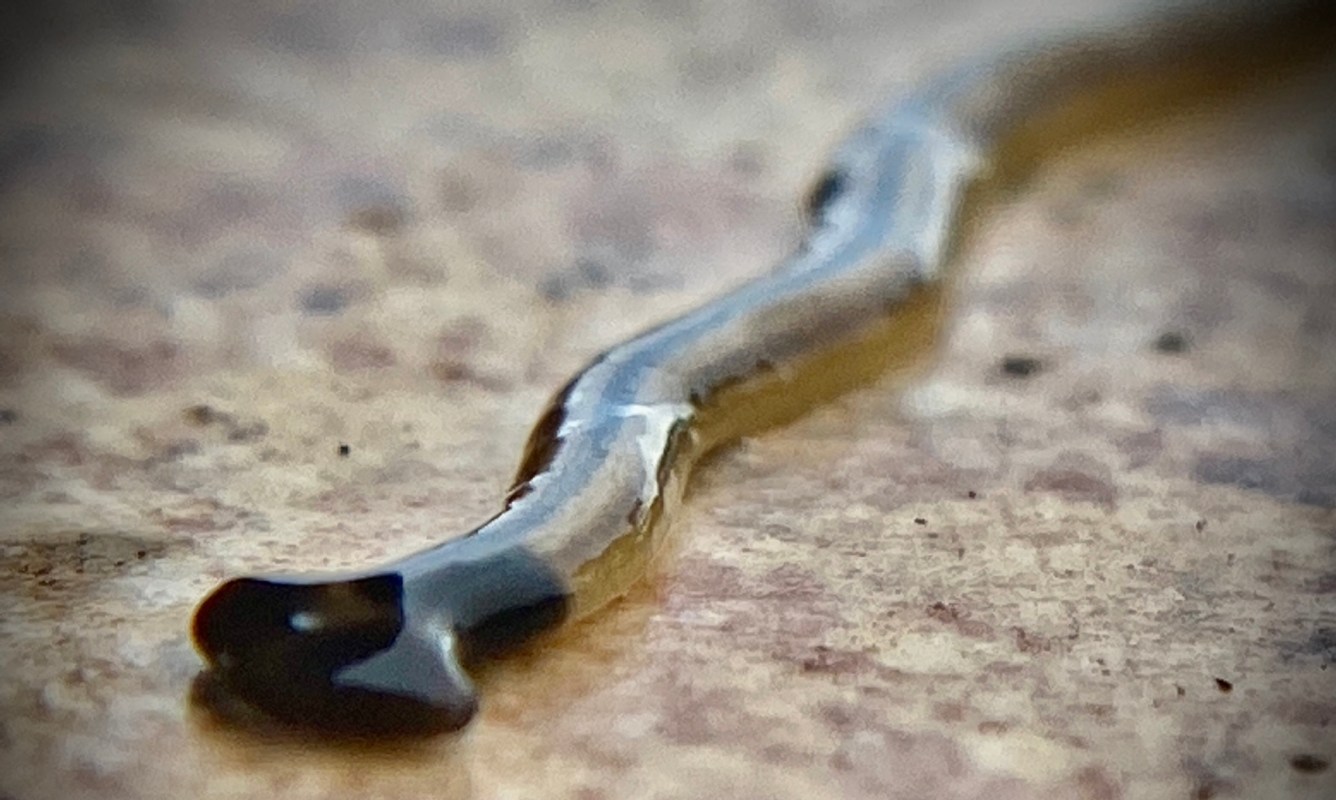
Residents in Ontario, Canada, are being advised to remain vigilant for the return of the toxic hammerhead worm this spring.
InsideHalton.com reported that this crawling creature — referred to as the "silent assassin" — has been spotted in London and Hamilton.
According to the Hamilton Conservation Authority, hammerhead worms are a toxic, non-native species that first appeared in Ontario in 2017. They are believed to have arrived in North America via the introduction of plants from Southeast Asia.
The term hammerhead worm encompasses various species of flatworms, also known as shovel-headed garden worms, which is a fitting description of their shape. They can grow between 5 and 10 centimeters in length and may exhibit multiple colors.
They are also toxic, releasing a neurotoxin called tetrodotoxin — the same substance found in pufferfish. While not fatal, this toxin can cause skin and eye irritation in humans and can be harmful to pets if ingested.
Hammerhead worms reproduce both sexually and asexually, producing an egg capsule that hatches in about 23 days, yielding up to eight offspring. They also have no natural predators, so controlling their spread is the best way to mitigate their damage.
TCD Picks » Quince Spotlight
💡These best-sellers from Quince deliver affordable, sustainable luxury for all




Hammerhead worms eat earthworms, snails, and insects. Reducing the population of native species, like earthworms, can negatively affect soil health and nutrient cycling.
If you come across a hammerhead worm, experts recommend using a covered hand, a stick, or a small shovel to pick it up, then placing it in a sealed container with soapy water or vinegar and salt. Dispose of them in the sealed container.
Smashing them or cutting them up is futile, as the segments can regenerate into fully-formed worms.
Non-native species, like these worms, can disrupt local ecosystems, affecting food chains and causing significant challenges for native flora and fauna. This disruption may lead to a decline in biodiversity due to altered feeding and predation behaviors.
The worms have also been spotted in Texas, Maine, and elsewhere throughout the United States. As these worms establish themselves in North American ecosystems, stopping their spread will be vital to maintaining ecosystem health.
If you spot one of these worms, you should reach out to your local invasive species department or report sightings to the citizen-scientist platform iNaturalist.
They also spread easily through garden equipment, plants, and soil, so be sure to inspect all of them closely to prevent accidental spread.

Get TCD's free newsletters for easy tips, smart advice, and a chance to earn $5,000 toward home upgrades. To see more stories like this one, change your Google preferences here.







