


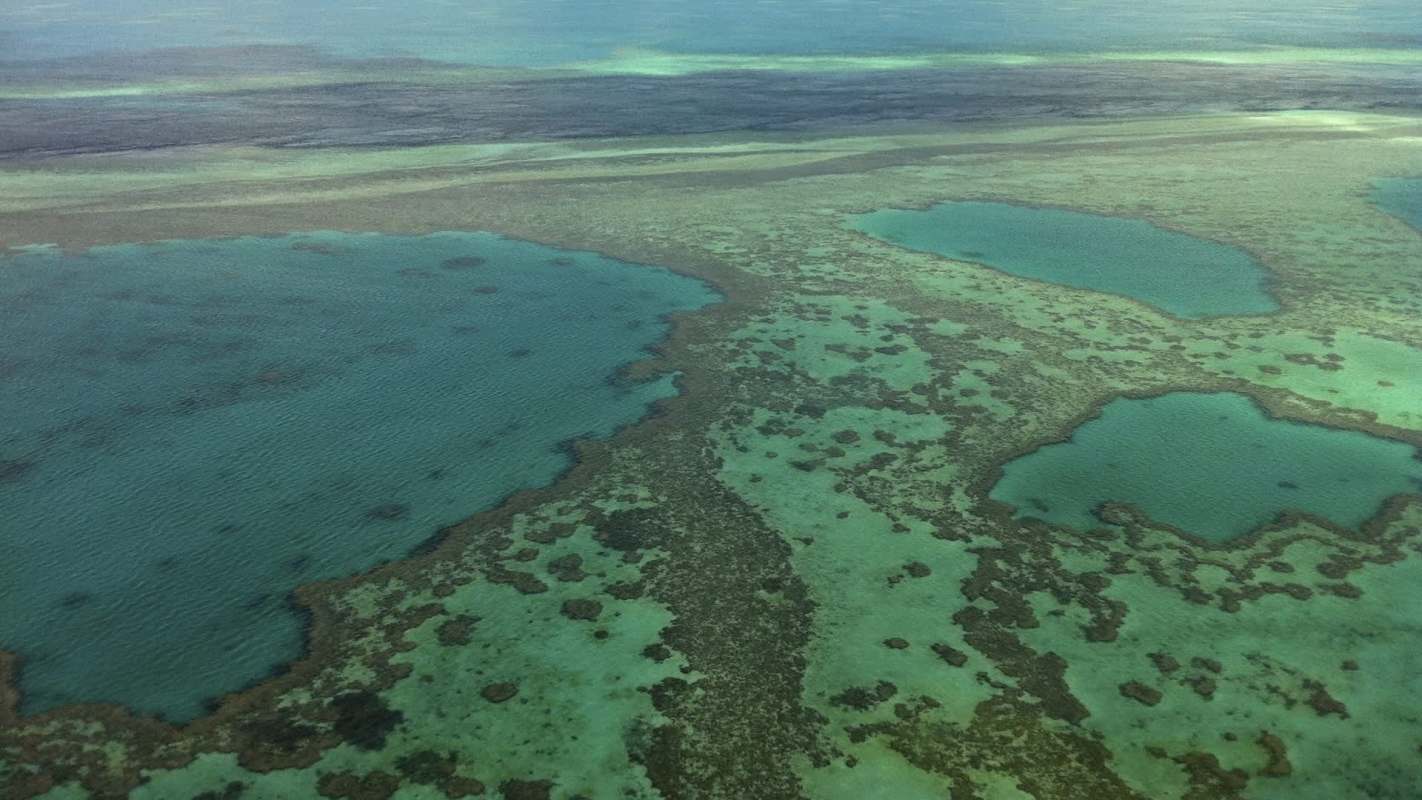
A new study into the long-term effects of measures to protect a crucial ecosystem has determined that its success averted a major catastrophe.
The study, published in Nature, analyzed how the 2004 reforms to expand marine protection in the Great Barrier Reef helped keep a destructive species under control. The Great Barrier Reef Marine Park rezoning in 2004 significantly expanded no-take zones for fishing in the area from 5% to 33%. This helped contain outbreaks of crown-of-thorns starfish.
COTS are huge starfish that reach up to 1 meter (3.3 feet) in size, and these brawny, spiky brutes can chew through up to 10 meters of living reef in a year. The Great Barrier Reef Foundation defines a COTS outbreak as 15 individuals in 1 hectare (2.5 acres), in which case they'll clear 90% of the reef's coral tissue.
Fortunately, they do have quite a few predators that keep their numbers in check. The study found that applying more no-take zones allowed species such as emperor fish to replenish in sufficient numbers to prevent mass destruction by COTS.
The paper noted: "These results suggest that the 2004 management reforms potentially averted a major tipping point on the GBR involving predator loss (fish and invertebrates), subsequent meso-predator release (COTS), and then the decline of the key ecosystem engineer in the system (corals)."
The results are another demonstration of the impact that restrictions on commercial fishing have on maintaining the balance of marine ecosystems. Though they are sometimes controversial in the short term, the long-term track record is positive for both the environment and anglers alike.
Indeed, many initiatives are fully supported by fishers who understand the importance of sustainability in maintaining long-term viability. Moreover, restrictions in one location lead to better catch rates in another.
Of course, the Great Barrier Reef faces other challenges, and its health is still in jeopardy, but the story demonstrates how resilient nature is when given the chance. By acting locally and backing candidates who prioritize long-term climate goals over political expedience, key biospheres may yet recover.
|
Do you think America does a good job of protecting its natural beauty? Click your choice to see results and speak your mind. |
 Definitely 👍
Get TCD's free newsletters for easy tips to save more, waste less, and make smarter choices — and earn up to $5,000 toward clean upgrades in TCD's exclusive Rewards Club.
Cool Picks






