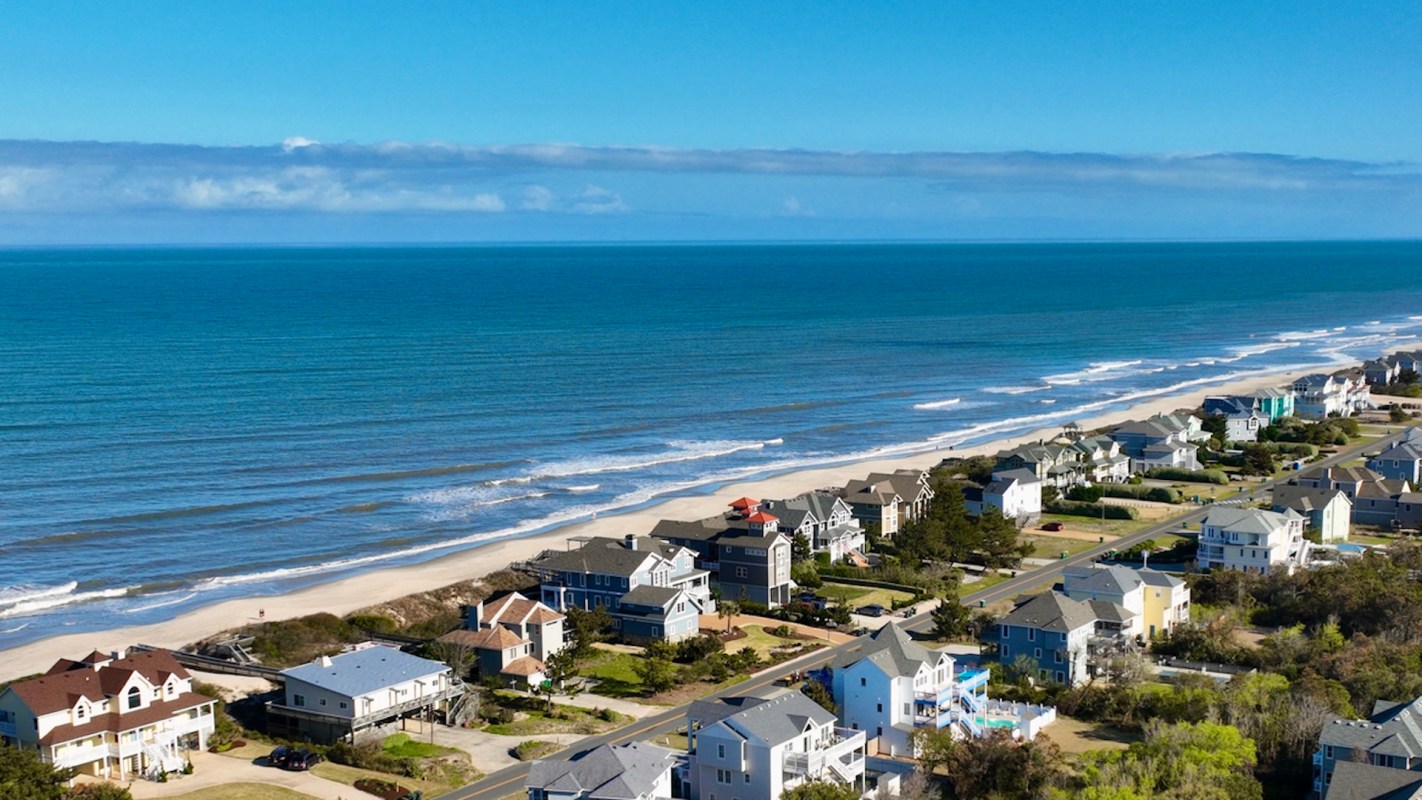
Scientists have found that storm surges can be significantly higher within Chesapeake Bay than in other coastal locations, putting communities along the bay at greater flood risk.
What's happening?
As storms move along a coastline, they can push water to the shore, leading to flooding in a phenomenon known as storm surge.
This surge can be difficult to predict because of storm variability and timing, such as whether it occurs during high or low tide.
But by using high-resolution models, a team of researchers found that the surge within Lower Chesapeake Bay — a region already prone to flooding — can be much higher than in nearby locations.
The authors published their findings in the Journal of Geophysical Research: Oceans, and it was summarized by Phys.org.
"It was found that the range of possible storm tides was greater at bay locations than at the open coast, by as much as 47%," study authors wrote.
"This higher variability at the bay locations was due to sensitivities to storm parameters like the wind intensity and storm tracks."
Virginia towns like Hampton and Norfolk are located within the bay, while other notable towns, like Virginia Beach, are situated on the open coast.
Why is the research on storm surges concerning?
To test their model, researchers validated their results against actual water levels observed during 2011's Hurricane Irene.
That storm caused the second-most power outages of any storm in Virginia history, and it resulted in at least $13 million worth of damage.
TCD Picks » Upway Spotlight
💡Upway makes it easy to find discounts of up to 60% on premium e-bike brands





|
Do you worry about having toxic forever chemicals in your home?
Click your choice to see results and speak your mind. |
 Majorly 😥
 It's also the type of storm that is likely to happen more frequently if global temperatures keep rising. Human-produced pollution traps heat in the atmosphere, causing temperatures to reach record-breaking levels. These warmer temperatures act as "steroids" for extreme weather, such as hurricanes and floods.
Those increases have also led global sea levels to rise, putting more coastal communities — like those within Chesapeake Bay — at risk of flooding or entirely washing away.
What can I do about this?
Virginia communities like Hampton Roads and Norfolk have already started considering infrastructure changes, such as seawalls and storm surge barriers, to protect themselves against increased flood risk.
If you live in a flood-prone area, the National Weather Service offers advice on how to stay safe before, during, and after extreme weather events.
You can also make your home more energy-resilient during power outages by installing solar panels, pairing them with a battery storage system, and generating your own electricity.
TCD's Solar Explorer provides a one-stop hub to answer your solar questions and connect with partners who can save you serious money.
One such partner, EnergySage, offers free services that make it easy to get bids from several local, vetted companies, and save up to $10,000 on solar installations.

Get TCD's free newsletters for easy tips to save more, waste less, and make smarter choices — and earn up to $5,000 toward clean upgrades in TCD's exclusive Rewards Club.
Cool Picks