


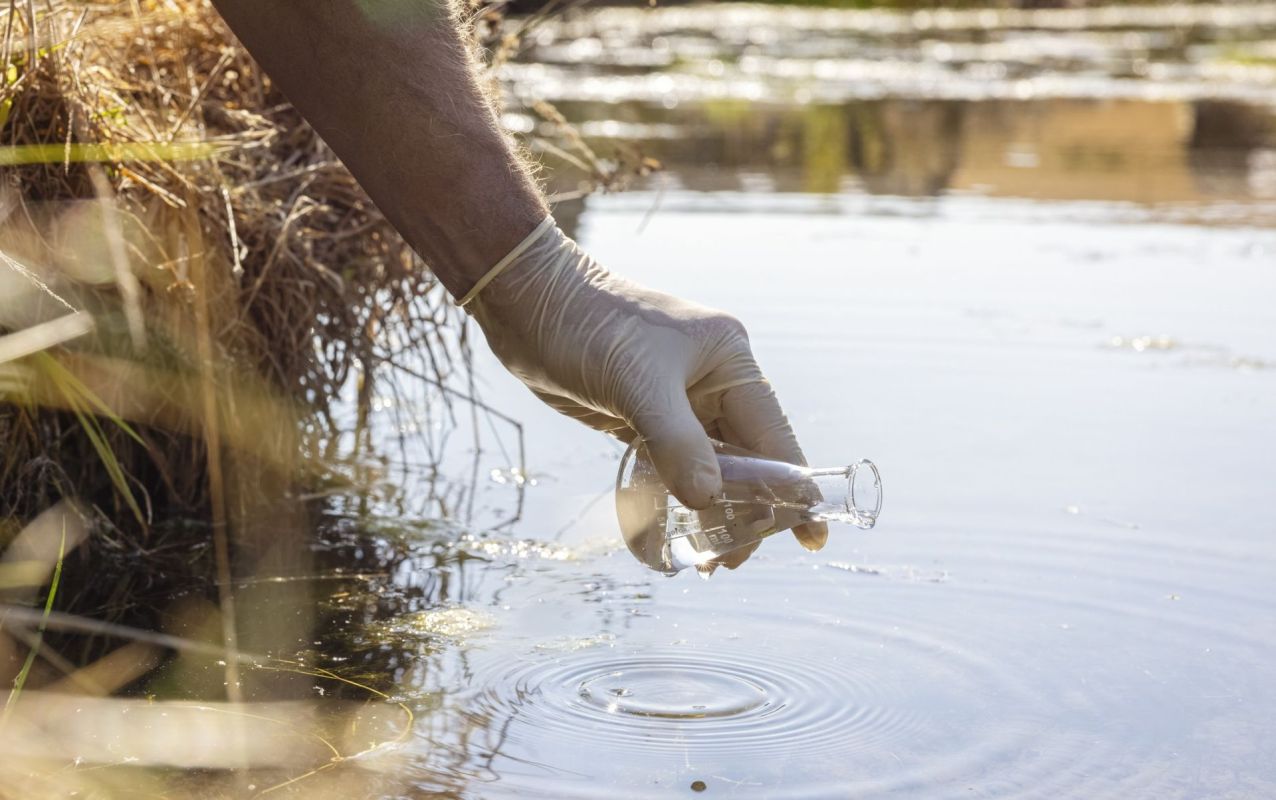
Pollution, especially containing toxic and sometimes invisible substances such as PFAS or microplastics, is of growing concern. With elections in Virginia close at hand, the issue of pollution in the Chesapeake Bay is being pushed as a major topic for potential policymakers to address.
What's happening?
According to WVEC, the Chesapeake Bay Foundation is urging future officials to seriously look into solving contamination with PFAS, a group of substances also known as forever chemicals. The foundation is encouraging the passage of bills related to reducing them.
"The bottom line is we think it's unacceptable that we still have PFAS moving out into the environment and we're not making an effort to figure out where they're coming from," said Jay Ford, a policy manager with the foundation, in the 13 News Now report. "We're working with legislators … and natural resources committees to develop these bills."
Why is legislation addressing PFAS and microplastics important?
PFAS, or perfluoroalkyl and polyfluoroalkyl substances, are all around us. These forever chemicals get their name from their inability to break down quickly in the environment. They can be found in a plethora of items, from nonstick cookware to makeup to firefighting foam. On top of being toxic, they have the ability to build up in our bodies and have been linked to cancer, fertility issues, and developmental problems.
Places around the world are seeing the ubiquity of PFAS, and governments are working to solve the issue. Lawmakers in California are seeking to ban the sale of a breadth of everyday items containing these chemicals.
With PFAS or microplastics polluting waterways such as the Chesapeake Bay, the issue grows. Not only can these pollutants contaminate water sources, but they can also contaminate animals and marine life, including food chains that put the greater food supply at risk.
What's being done about PFAS in the Chesapeake Bay?
Rob Hale, a Virginia Institute of Marine Science professor, spoke to the news station on the nature of both PFAS and microplastics, which he called "emerging contaminants."
"In a lot of cases, we find out these chemicals have been used for decades. We didn't really have a good idea they were out there," Hale said.
He continued, commenting on the role of scientists such as himself in relation to policymakers. "Our job is to provide the public and the government with information they can rely on. Then they have to make the difficult calls," Hale said.
It's estimated that at least 29 states will bring forward PFAS-related legislation this year. Minnesota is one state leading the charge, and states such as New York are working on moving forward with their own regulations.
TCD Picks » Quince Spotlight
💡These best-sellers from Quince deliver affordable, sustainable luxury for all




To do your part, you can vote for candidates who consider environmental impacts and critical climate issues that surround micro-pollutants. Using fewer polluting products, such as those made from plastic, is also a great step.
|
Do you worry about having toxic forever chemicals in your home?
Click your choice to see results and speak your mind. |
 Majorly 😥
Join our free newsletter for good news and useful tips, and don't miss this cool list of easy ways to help yourself while helping the planet.
Cool Picks






