


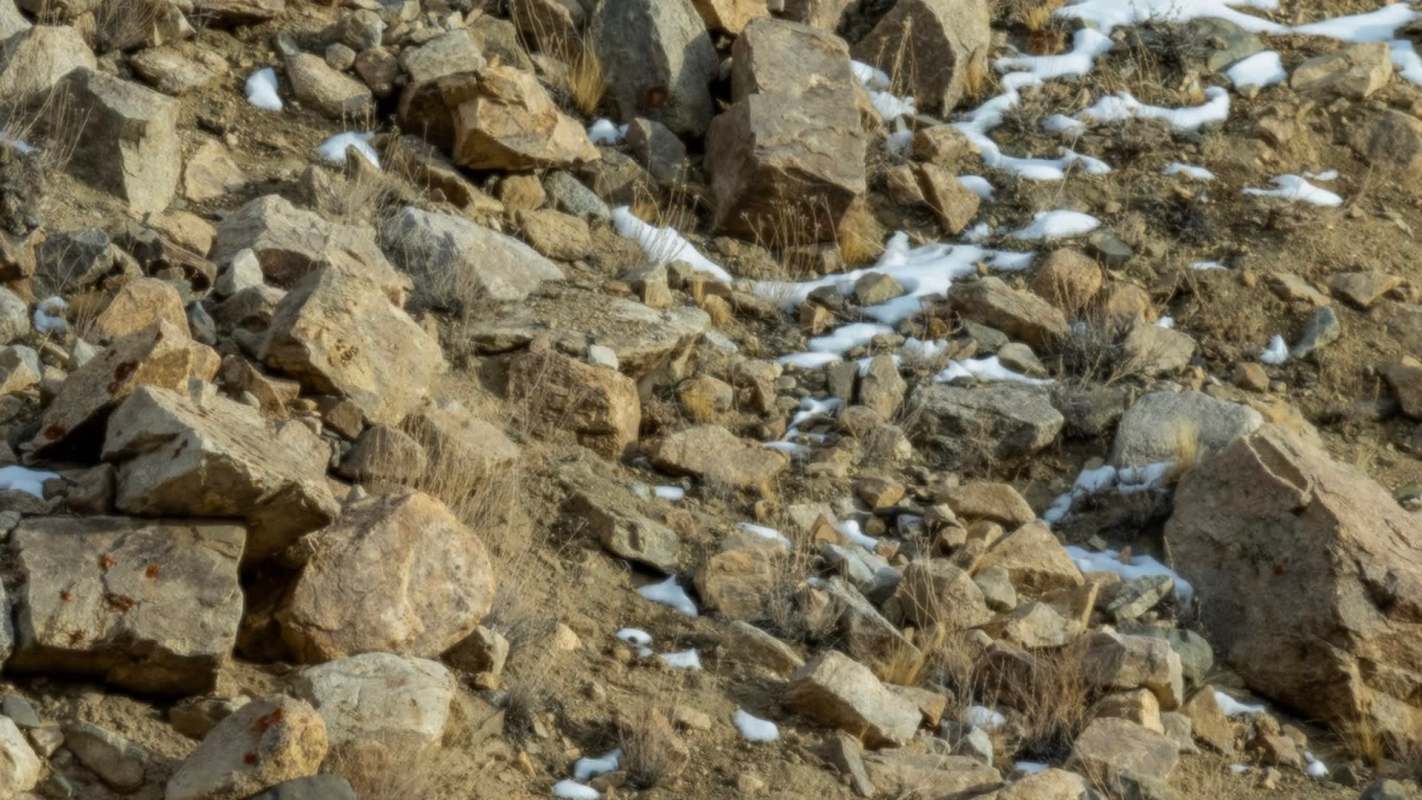
In the Boland Mountains in South Africa's Western Cape, trail cameras caught 647 images of leopards. These images will help researchers calculate the species' density and boost conservation efforts, as Nova News reported.
Researchers set up 90 camera stations across 2,500 square kilometers to get images and videos of the area's most elusive mammals, including leopards. After five months, the Cape Leopard Trust shared its findings.
The cameras took over 190,000 photographs of 22 mammal species, including the Cape fox, grey rhebuck, and African striped weasel. Of these images, 647 were of leopards. Researchers identified 38 individuals, including 22 males and 11 females. Two of the latter had cubs.
One of the leopards identified was BF 15, named Stella, whom researchers have monitored since 2010.
Unfortunately, eight cameras were stolen during the study.
"The financial loss is massive, but the loss of leopard information from those sites is devastating," the trust stated.
In general, images from trail cameras provide useful data to track animal movements, species densities, and conservation efforts.
Humans are limited in our ability to study wildlife. Trail cameras provide a non-invasive option to view wildlife in their natural environments. With the data from trail cameras, conservationists can find out where to best spend their efforts to protect ecosystems and endangered species such as the West African leopard.
Ensuring that endangered species are protected and can thrive is important to not only them but to whole ecosystems. When a species goes extinct, it upsets the balance of that ecosystem, leading to changes in food availability for wildlife and to our own food supply. Trail camera data can also help conservationists protect endangered species.
Trail cameras have been able to capture rare footage of wildlife, from red squirrels in Scotland to the Andean mountain cat in South America. These cameras have documented leopard species across the world, including in China, where conservation efforts have allowed the so-called golden coin leopard to make a big comeback.
TCD Picks » Quince Spotlight
💡These best-sellers from Quince deliver affordable, sustainable luxury for all




With these findings, the Cape Leopard Trust hopes to continue studying leopards in the region and advocate for more policing of illegal activity, including hunting and poaching, that can hurt the mammals in the area. Part of the trust's work features teaching the next generation the importance of preserving native species. During the five-month survey, it visited seven schools, educating more than 1,800 students about its work.
|
Do you think America does a good job of protecting its natural beauty? Click your choice to see results and speak your mind. |
 Definitely 👍
Get TCD's free newsletters for easy tips to save more, waste less, and make smarter choices — and earn up to $5,000 toward clean upgrades in TCD's exclusive Rewards Club.
Cool Picks




