



A marine conservation student at the University of Plymouth in England is helping experts understand whether artificial reefs have the same impact on biodiversity as the real thing.
Natasha Bamford worked with the Falmouth Harbour team to create underwater video systems, reported the Packet. The systems allow Bamford to capture hours of video to learn more about the species living in the harbor's artificial reefs. Bamford plans to use her discoveries as research for her master's dissertation.
"As I go through the footage, it's so exciting to see what's down there," said Bamford. So far, she's found sand smelts, sharks, crabs, eels, and other species living in the harbor.
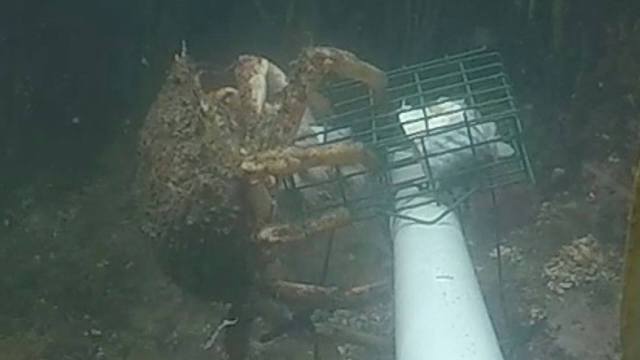
Underwater camera systems like those Bamford deployed can help experts learn more about species without disturbing them or their habitats. They work similarly to how trail cameras work on land to monitor animals and ecosystems. Underwater video gives researchers a clear picture of population health to show whether restoration projects are working.
For example, scientists have estimated the population health of Hawaii's Deep 7 bottomfish using underwater video. A research vessel camera also helped the crew discover a nautilus, a species that hadn't been spotted in the wild in 15 years.
In Bamford's case, she was able to quietly observe Falmouth's sea creatures and see what lived on the harbor's floor. Bamford plans to use her findings to compare species between artificial and non-artificial reef sites.
Understanding where species thrive or may need more help can guide decisions about fishery management and protecting food sources that communities depend on. Ultimately, by knowing what species live in waters around the world, experts can shape policies that keep their ecosystems healthy, supporting important industries like fishing and tourism.
"I hoped the opportunity to work with Falmouth Harbour would mean my research could actually make a real difference beyond the classroom," Bamford shared on the University of Plymouth website. "I'd love to continue working on projects that involve collaboration between researchers, local communities, and conservation organizations."
|
Should we be harnessing the ocean to power our homes? Click your choice to see results and speak your mind. |
 Absolutely 👍
Join our free newsletter for good news and useful tips, and don't miss this cool list of easy ways to help yourself while helping the planet.
Cool Picks




