


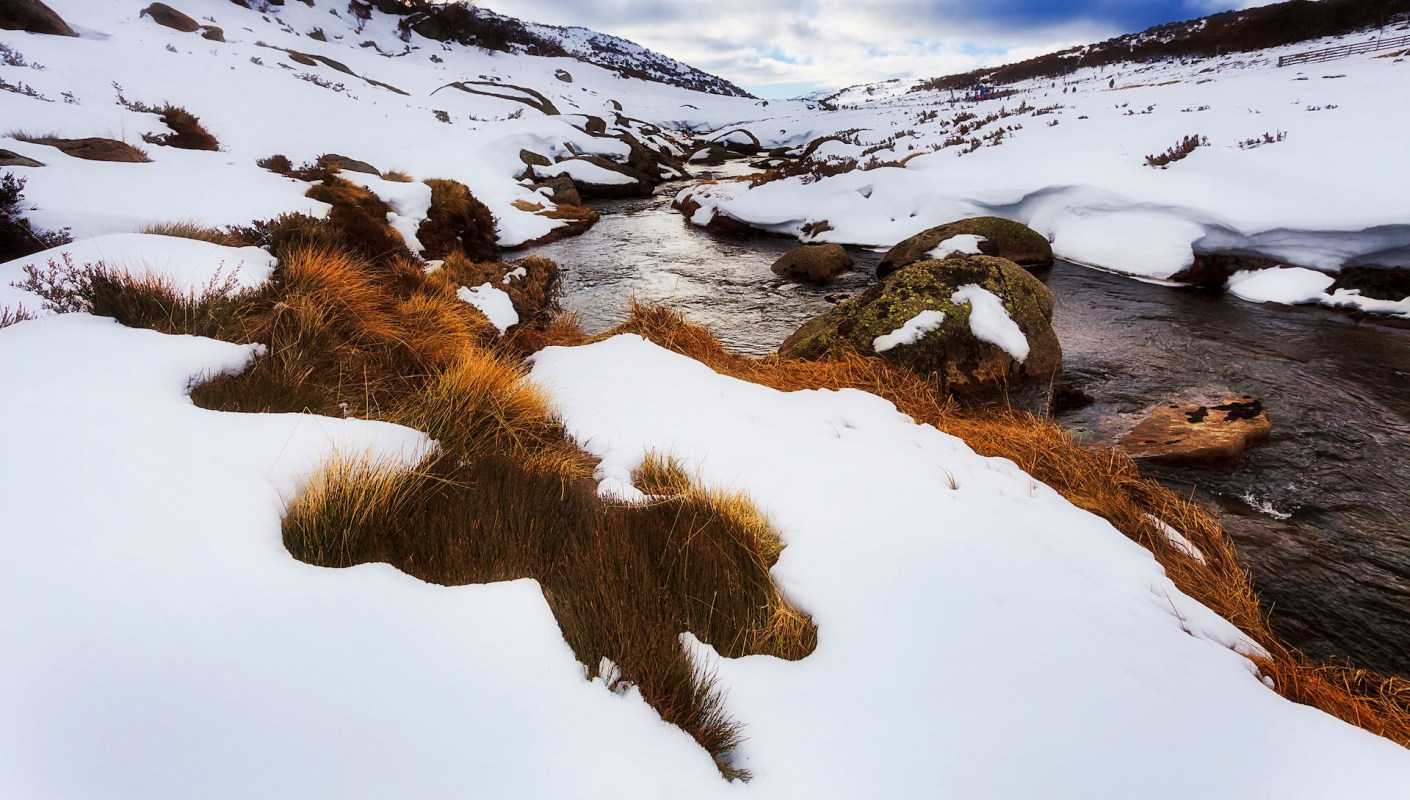
Australian farmers have seen their livelihoods threatened by an invasive weed species, and are asking for help in managing it, according to the Australian Broadcasting Corporation.
What's happening?
Roughly 100 years ago, African lovegrass was introduced to the Australian state of New South Wales to help stabilize road signs.
Instead, it has taken over parts of the region and destroyed many local farms.
Ross Sherlock, a sheep and cattle farmer, told ABC News that he spends about $100,000 annually spraying African lovegrass to control its spread on his 4,200-acre farm, and has one employee who does little else other than spraying the weed.
"Anywhere that there's the slightest chance of bare ground, it's there," Sherlock said.
The annual cost of spraying an acre of land is about 10 times higher than the profits he makes from the merino sheep on that same land, he explained.
Moreover, the dry, straw-like weed catches fire easily, and NSW fire officials said these fires spread easily.
"There's nothing to love about African lovegrass," Rural Fire Service inspector Langdon Gould told ABC.
Why is African lovegrass concerning?
African lovegrass is a perfect example of the impact of invasive species.
Whether animal or plant, invasive species quickly spread when introduced to a new location, outcompeting native plants and animals for vital resources such as light, water, and food.
TCD Picks » Quince Spotlight
💡These best-sellers from Quince deliver affordable, sustainable luxury for all




|
What's the hardest thing about taking care of your yard? Click your choice to see results and speak your mind. |
 Mowing the lawn 🏡
 Invasive species can upend the balance of their new ecosystem and cause health or financial risks to the people who live there, much like the financial toll African lovegrass has taken on NSW farmers.
This problem isn't limited to African lovegrass, Australia, or farmers. Governments and homeowners worldwide deal with invasive species every day, and several instances have made headlines just in the past few months.
In Wisconsin, conservationists fear the spread of Japanese stiltgrass could lead to more severe wildfires.
An invasive grass called cheatgrass is rapidly shrinking the habitat of Wyoming mule deer, and in the southeastern United States, cogongrass has enabled lone star ticks to survive longer, increasing the risk of tick-borne illness.
What's being done about African lovegrass?
Some NSW governments have funded pilot programs to try and stop the spread of African lovegrass, but the results have been mixed, at best.
Landowners in the region are also limited in the actions they can take to control the weed's spread, as native grasses there are considered endangered.
This means that controlled burns and other large-scale control methods are outlawed unless African lovegrass occupies more than 50% of the affected area.
But conservationists say that if laws don't change soon to allow that type of controlled burn or boom spraying, the invasive weed may end up taking over all native grasses anyway.
"We will have to lose some native grass area [in the short term] to save what's really valuable," activist Narelle Davis told ABC News.

Get TCD's free newsletters for easy tips to save more, waste less, and make smarter choices — and earn up to $5,000 toward clean upgrades in TCD's exclusive Rewards Club.
Cool Picks






