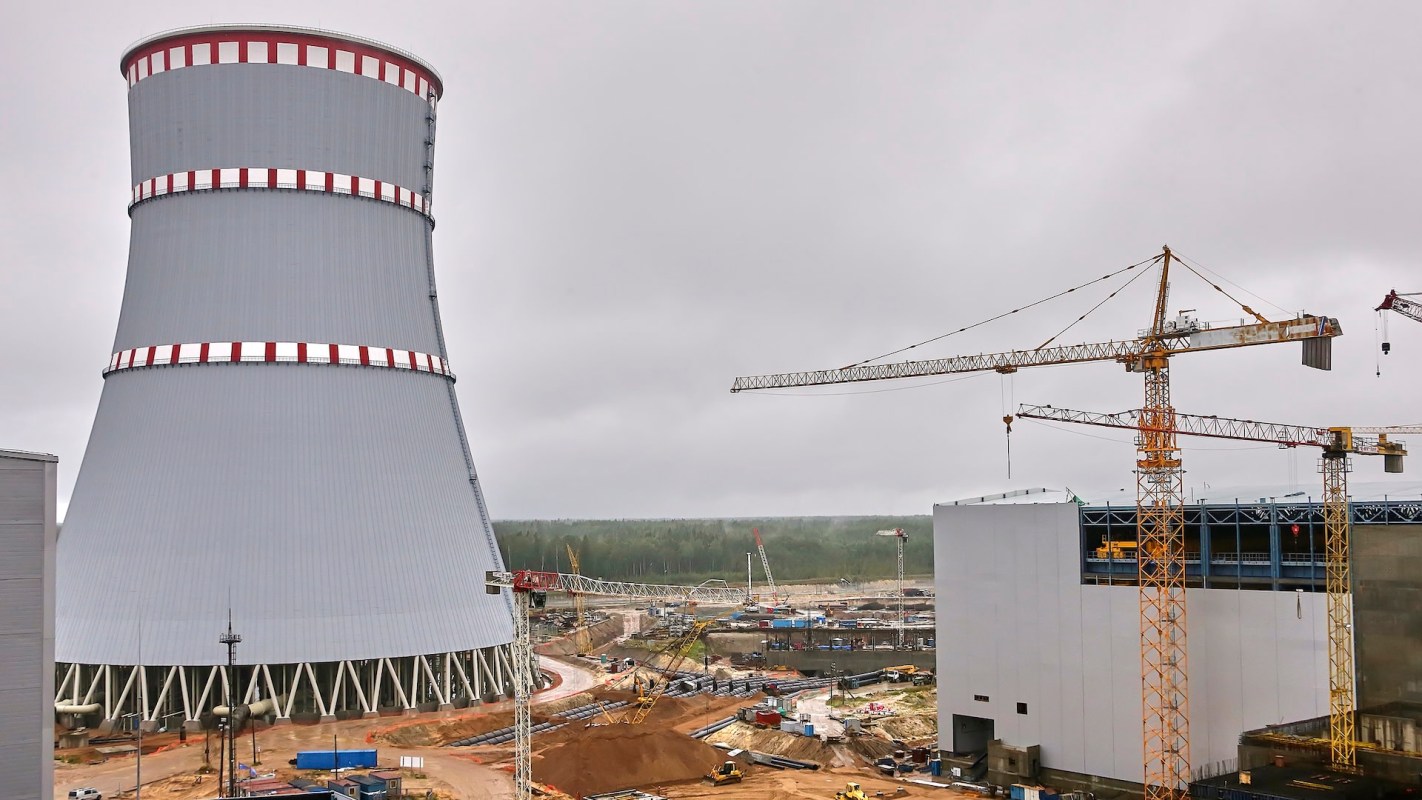
Westinghouse and Google Cloud created an AI platform to excel in nuclear reactor construction. The innovative partnership promises to make nuclear power faster and cheaper to build.
As Google reported in its press release, this AI-driven integration allows the system to "predict bottlenecks, optimize… construction [tasks], adjust staffing levels… and account for external factors like supply chain constraints."
The system no longer relies on paper documentation due to Westinghouse's dual AI data.
One named Hive processes nuclear regulatory frameworks. Bertha is a generative AI assistant with access to 75 years of nuclear documents, per the report. Both use Google's prediction tools and WNEXUS, a 3D digital twin of reactors by Westinghouse.
"By finding the fastest path through maintenance and refueling tasks, the AI helps minimize reactor downtime," the release said.
Nuclear power is a cleaner, more reliable, and large-scale source of electricity. It is helping meet rising energy demands without contributing to planet-warming pollution. Delays in its widespread deployment are due to industrial challenges.
Stay warm all winter long with the Apple of intelligent space heaters Kelvin is the Apple of space heaters, designed for energy efficiency and maximum comfort. It's completely silent and intelligently controlled, with setup taking just 5 minutes. Built from premium materials like aluminum and glass, Kelvin works beautifully as a full-home heating system or as the perfect solution for that one room that never feels warm enough. |

Huge upfront costs reach 60% of a reactor's total price per the press release.
Lengthy construction timelines and complex logistics have hindered nuclear development as well. Outdated, manual processes and approvals are making related tasks slower to complete.
The report shared Westinghouse CEO Dan Sumner's thoughts on AI optimization. He mentioned these models will make "nuclear power a viable investment for utilities." With clean energy, consumers receive lower energy bills and reliable power.
Westinghouse plans to have 10 of its AP1000 nuclear reactors by 2030. These reactors can power 7.5 million households, according to the report.
TCD Picks » Upway Spotlight
💡Upway makes it easy to find discounts of up to 60% on premium e-bike brands





|
Should we be pouring money into nuclear fusion technology? Click your choice to see results and speak your mind. |
 Yes — it'll pay off 👍
 Expanding the U.S. energy grid with the rapid growth of AI and energy-intensive sectors will take a lot of power. It's estimated that the country needs "400 gigawatts of new power by 2040."
Nuclear energy plays a varied, evolving role in the clean energy transition.
It produces large amounts of low-carbon electricity, supporting energy security. Nuclear energy also complements intermittent renewable energy sources like solar and wind. Some downsides still exist, including radioactive waste, upfront costs, and safety concerns.
This AI initiative aims to decrease costs and kickstart deployment. Such diversified clean energy will curb pollution and build healthier communities.
Platform optimization tools are currently streamlining the licensing processes per the press release. Once time and costs are saved, the AI will enhance operational safety.

Get TCD's free newsletters for easy tips to save more, waste less, and make smarter choices — and earn up to $5,000 toward clean upgrades in TCD's exclusive Rewards Club.
Cool Picks