


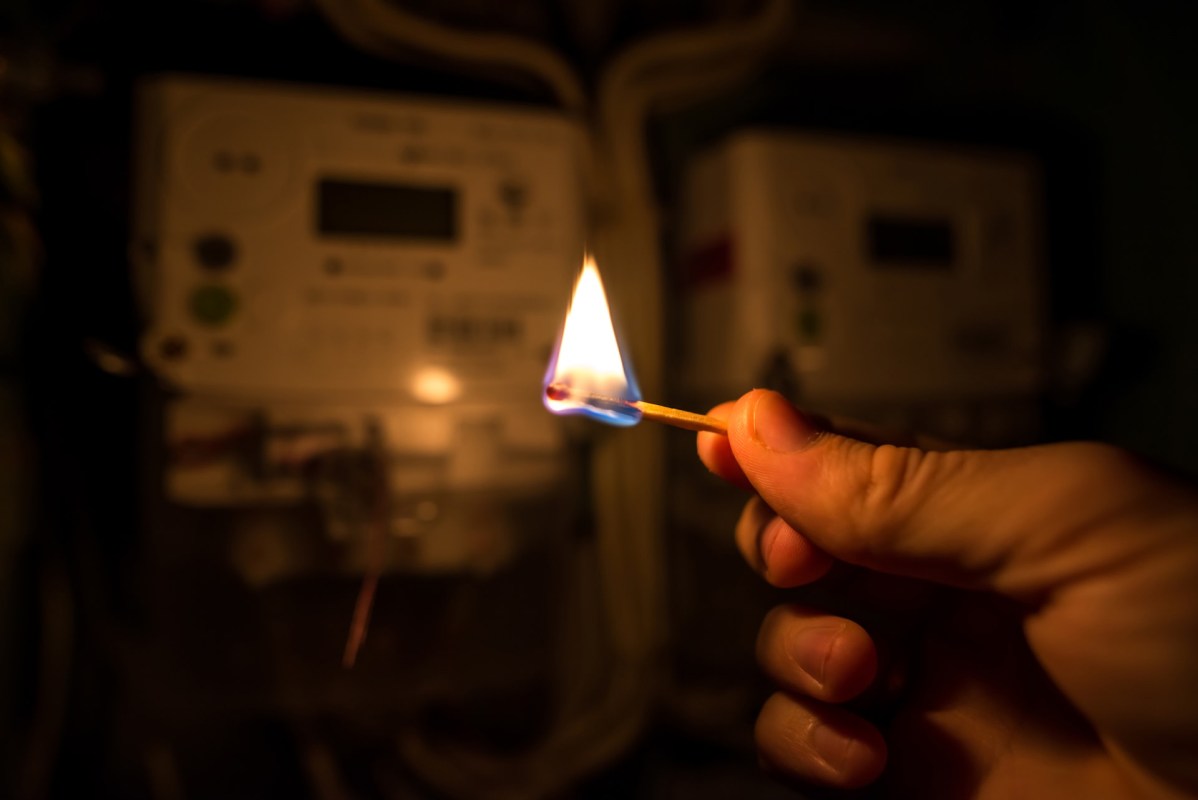
Electric vehicle batteries have become so powerful that they can now do more than just fuel a car — they can keep an entire home afloat during a blackout. New programs across the country are testing how EVs can store energy, send it back to the grid, and help communities stay powered when the lights would otherwise go out, The Washington Post reported.
One of the first people exploring that future is Maryland resident Brian Foreman, whose electric pickup has become both a household lifeline and a community energy resource. During a neighborhood outage, he plugged his truck into his home's electrical panel and watched everything switch back on. "It's amazing," he said. "We can still cook dinner, we can put the TV on, we can use the internet, we've got water. … It lets you continue life as usual."
Foreman's interest in backup power began in 2021 when he read about Texas homeowners who used hybrid pickups to get through deadly blackouts caused by Winter Storm Uri. Instead of investing in a wall of stationary batteries, he chose a more versatile option. "To buy a 10-Powerwall system from Tesla, you're spending $50,000, $60,000, $70,000. … I spent just about that much money, and I have a truck I can drive around," Foreman explained.
That decision led him to a Baltimore Gas and Electric Co. pilot program that pays EV owners for using their vehicles to send stored energy back to the grid during high-demand hours. Cars and trucks already hold far more storage capacity than most home battery systems, which makes them a powerful if overlooked tool for stabilizing strained grids during winter storms, heat waves, and other climate-driven events.
This approach also makes better use of the battery storage already on the road. Instead of building separate backup systems or manufacturing additional generators, utilities can tap into the enormous capacity of EVs. That reduces the need for new battery production and limits the mining and material extraction that typically come with energy storage projects. It also avoids creating more hardware that could end up in landfills.
Consumers can also experience the benefits in their everyday lives. Bidirectional charging gives households a clean backup option that can reduce blackout impacts, save money during energy spikes, and strengthen neighborhood resilience without the noise and fumes of gas-powered generators.
Foreman earned about $400 during the three-month pilot by supplying power through his truck for a few hours each weekday. Setting up the two-way charger was not seamless, however, as he spent months navigating permits, inspections, and troubleshooting sessions.
"There's some effort required from anyone to get this system to work," he told the Post.
Even so, he sees it as a process that will only improve.
"I absolutely want everyone to do this," he added. "... I think that's the future. It's just going to take a while."
TCD Picks » Quince Spotlight
💡These best-sellers from Quince deliver affordable, sustainable luxury for all




|
Would you buy an EV if it only took you five minutes to charge? Click your choice to see results and speak your mind. |
 Sign me up 👍
Get TCD's free newsletters for easy tips to save more, waste less, and make smarter choices — and earn up to $5,000 toward clean upgrades in TCD's exclusive Rewards Club.
Cool Picks


